
When the day has been full and dinner still needs to happen, pasta offers a flexible starting point: it cooks quickly, pairs with pantry staples, and can be dressed up with vegetables, cheese, seafood, or meat. This collection brings together ten ideas, from simple garlic-and-oil spaghetti to comforting stuffed shells, with practical directions and small adjustments that make each dish easier to fit into a busy evening.
Choose a recipe by the kind of meal you want, not just by what is in the cupboard: some are bright and fresh, some are creamy and cozy, and a few are especially useful for making ahead. Keep pasta water before draining when a recipe calls for it, taste as you season, and use the storage notes to plan for leftovers without sacrificing texture.
One-Pot Garlic Parmesan Pasta
This is a stovetop pasta supper cooked in a single pot, where garlic, broth, and starchy cooking liquid turn into a light, glossy sauce with Parmesan. It tastes savory and gently rich, with enough garlic to be fragrant but not overpowering, and it is a good choice when you want comfort without managing several pans. Gather short pasta, minced garlic, broth, butter or olive oil, finely grated Parmesan, black pepper, and a little chopped parsley if you have it. Warm the butter or oil in a wide pot, stir the garlic just until fragrant, then add the pasta and enough broth to nearly cover it; simmer, stirring often, until the pasta is tender and most of the liquid is absorbed. Take the pot off the heat and stir in Parmesan, adding splashes of hot water or broth until the sauce clings to the pasta rather than sitting in a pool. For a practical variation, stir in peas or baby spinach near the end, and keep the cheese off the direct heat to help the sauce stay smooth. Refrigerate leftovers promptly in a covered container; loosen them with a splash of broth or water while reheating, since the pasta will continue to absorb sauce.
Pesto Pasta with Cherry Tomatoes
This simple pasta combines basil pesto with sweet-tart cherry tomatoes, giving each forkful a fresh herbal aroma and a juicy burst of tomato. It works especially well when you need a quick dinner with little stovetop preparation, and it is easy to serve warm or at room temperature. You will need pasta, pesto, cherry tomatoes, olive oil, Parmesan, and optionally toasted pine nuts or another crunchy nut. Boil the pasta in salted water until just tender, reserve a mug of its cooking water, and drain; halve the tomatoes while the pasta cooks. Toss the hot pasta with pesto and a small splash of cooking water, then fold in the tomatoes and finish with Parmesan and a little olive oil. If you prefer a less intense pesto flavor, use less at first and add more after tasting, or swap in a spoonful of pesto made with another herb or leafy green. Keep leftovers covered in the refrigerator and eat them within a few days; the pesto may darken slightly, so refresh the serving with a little olive oil and freshly grated cheese.
Spaghetti Aglio e Olio
Aglio e olio is spaghetti dressed with olive oil, garlic, and chili, often finished with parsley; the sauce is simple, glossy, and warmly aromatic rather than creamy. It is ideal for a pantry dinner when you want something satisfying without a long ingredient list, and the gentle heat can be adjusted to suit the table. Set out spaghetti, good olive oil, thinly sliced garlic, chili flakes, parsley, and optional grated Parmesan. Cook the spaghetti until just tender, saving some cooking water, while the garlic warms slowly in olive oil over low heat; take care not to let it brown deeply, which can make it bitter. Add chili flakes to the oil, then toss in the drained spaghetti with a splash of pasta water, stirring until the oil and starch form a light coating. Finish with parsley and taste before adding salt, since the cooking water and any cheese already contribute seasoning. For a milder version, use a small pinch of chili or leave it out, and add lemon zest if you want a brighter finish. This dish is best freshly tossed, but leftovers can be refrigerated in a covered container and reheated gently with a spoonful of water or oil.
Creamy Tomato Basil Pasta
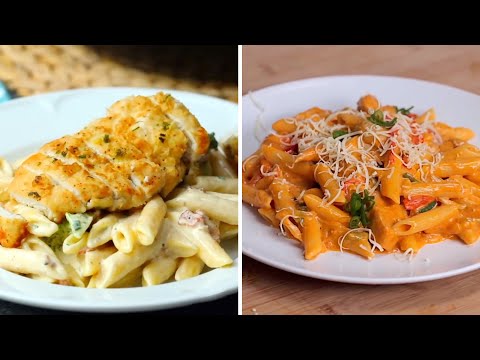
This pasta brings tomato sauce and cream together for a smooth, rosy coating, while fresh basil adds a sweet, peppery fragrance. It makes a dependable weeknight meal when a plain tomato sauce feels too light but a heavy cream sauce sounds like too much. Use pasta, olive oil, garlic, canned crushed tomatoes, cream, fresh basil, and Parmesan, with salt and black pepper to taste. Start the pasta in salted boiling water, then soften garlic in olive oil in a skillet and stir in the tomatoes; let the sauce bubble gently while the pasta cooks. Stir cream into the tomato sauce, add torn basil, and toss in the drained pasta with a little cooking water so the sauce coats each piece. For extra vegetables, fold in baby spinach until wilted or serve with a simple green salad; a little more basil at the table keeps the flavor lively. Refrigerate leftovers promptly in a covered container, and reheat slowly with a splash of water or cream because tomato-and-cream sauces can thicken as they cool.
Spinach and Ricotta Stuffed Shells
Large pasta shells filled with ricotta, spinach, and cheese are nestled in tomato sauce and baked until tender and bubbling. The result is mild, creamy, and comforting, making it a useful choice for a relaxed family supper or a meal to share with guests. Gather jumbo shells, ricotta, chopped spinach, mozzarella, Parmesan, an egg-free seasoning mix such as garlic and dried herbs, and tomato sauce. Boil the shells until flexible but still firm, drain them carefully, and mix the ricotta with well-drained spinach, some mozzarella, Parmesan, and seasoning. Spread tomato sauce in a baking dish, fill each shell with the cheese mixture, arrange them in the dish, spoon more sauce over the top, and cover with mozzarella. Bake in a hot oven until the sauce bubbles and the filling is hot, uncovering near the end if you want browned cheese. If fresh spinach is watery, cook it briefly and squeeze it dry before mixing; the shells can be assembled ahead, covered, and refrigerated, then baked until hot, or frozen before baking and thawed in the refrigerator before cooking.
Shrimp Scampi Pasta
Shrimp scampi pasta pairs tender shrimp with garlic, butter, olive oil, lemon, and parsley, making a bright, savory sauce that is rich but not heavy. It is a strong option for a weeknight when you want a meal that feels special yet comes together while the pasta boils. Prepare pasta, peeled and deveined shrimp, garlic, butter, olive oil, lemon juice and zest, parsley, and optional chili flakes. Cook the pasta and reserve some cooking water; meanwhile, warm butter and oil in a skillet, add garlic, then add the shrimp in a single layer and cook until opaque and cook to a safe internal temperature (see USDA guidance). Stir in lemon juice, zest, parsley, and a splash of pasta water, then toss with the drained pasta until the sauce lightly coats it. For a substitution, use a little extra olive oil in place of some butter, or add peas for a sweet vegetable note without complicating the method. Shrimp is best freshly cooked, but leftovers should be refrigerated promptly in a covered container and reheated gently until hot; avoid prolonged heating, which can make it tough.
Lemon Asparagus Pasta
This light pasta combines crisp-tender asparagus with lemon, olive oil, and Parmesan, yielding a fresh, tangy flavor that suits the transition into warmer weather. It is a useful meatless dinner when you want something quick and green, and it can also work as a simple side beside fish or chicken. You will need pasta, asparagus cut into bite-size lengths, olive oil, lemon zest and juice, Parmesan, black pepper, and optional peas. Boil the pasta in salted water, adding the asparagus to the pot near the end so it cooks until bright and just tender; reserve cooking water before draining. Toss everything with olive oil, lemon zest, lemon juice, Parmesan, and enough pasta water to make a delicate coating. Taste before adding more lemon, since its sharpness can build, and finish with black pepper or extra cheese at the table. If asparagus is not available, use broccoli florets or green beans and cook them until tender but still lively. Store leftovers promptly in the refrigerator; the lemon flavor remains pleasant, though the vegetables soften, so reheat gently or enjoy the pasta at room temperature.
Chicken Alfredo Fettuccine
Fettuccine Alfredo is a creamy pasta dish with butter and Parmesan, and adding chicken makes it a filling, familiar supper. Its mild, savory flavor and smooth sauce make it a good fit for a cozy dinner, especially when you want a classic rather than a spicy or acidic meal. Use fettuccine, boneless chicken, butter, cream, finely grated Parmesan, black pepper, and a little pasta water. Season the chicken, cook it in a skillet until it reaches a safe internal temperature (see USDA guidance), then let it rest while the pasta cooks; slice it across the grain before serving. Warm butter and cream gently in the skillet, stir in Parmesan until the sauce is smooth, and toss with drained fettuccine and small splashes of pasta water before adding the chicken. A practical lighter-feeling adjustment is to use less sauce and add steamed broccoli or peas, rather than trying to make the dairy sauce thinner with extra cream. Refrigerate leftovers promptly in a covered container and reheat over low heat with a splash of milk or water, stirring carefully to bring the sauce back together.
Beef Stroganoff Pasta
This pasta adapts the cozy flavors of beef stroganoff with tender beef, mushrooms, onion, and a tangy sour-cream sauce served over noodles. It is especially welcome on a chilly evening when you want a hearty skillet meal with savory depth and a little brightness from the dairy. Set out egg-free pasta or noodles, thinly sliced beef, mushrooms, onion, broth, sour cream, a small amount of mustard, and optional parsley. Brown the beef in a hot skillet in batches so it sears rather than steams, and cook to a safe internal temperature (see USDA guidance); transfer it to a plate while the mushrooms and onion soften. Add broth and mustard to the skillet, simmer until the vegetables are tender, then lower the heat and stir in sour cream; return the beef and its juices and warm through without letting the sauce boil. Serve over freshly cooked pasta, adding a little pasta water if the sauce needs loosening, and use Greek-style plain yogurt only if you are comfortable with a tangier result and stir it in gently. Store the sauce and pasta separately when possible, refrigerate promptly, and reheat slowly; the sour-cream sauce may separate if boiled or heated too aggressively.
Caprese Pasta Salad
Caprese pasta salad takes the familiar pairing of tomatoes, mozzarella, and basil and turns it into a satisfying chilled or room-temperature meal. Juicy tomatoes, milky cheese, and fragrant basil make it fresh and savory, so it suits a picnic, a packed lunch, or a warm evening when a hot sauce is not appealing. Gather short pasta, ripe cherry tomatoes, small mozzarella pieces, fresh basil, olive oil, balsamic vinegar, salt, and black pepper. Cook the pasta until tender but still firm, drain it, and cool it briefly; halve the tomatoes and tear the basil just before folding everything together. Toss the pasta with olive oil and balsamic, then add the tomatoes, mozzarella, and basil and taste for seasoning, adding more dressing only as needed. For a variation, add chopped cucumber or a handful of arugula just before serving, and keep the salad lightly dressed so it does not become oily. Refrigerate leftovers promptly in a covered container and enjoy them within a few days; the basil may darken and the pasta may absorb dressing, so add fresh basil and a little oil or vinegar before serving again.
How to Choose
For the fastest pantry-centered meal, choose spaghetti aglio e olio or one-pot garlic Parmesan pasta; both rely on a short list of familiar ingredients and are easy to scale to appetites. Pesto pasta with cherry tomatoes and lemon asparagus pasta are good fits when you want something bright, while creamy tomato basil pasta offers a middle ground between fresh acidity and a soft, rich sauce. Pick stuffed shells when you can spare a little preparation time or want a dish that can be assembled ahead, and choose chicken Alfredo or beef stroganoff when a more substantial, cozy dinner is the goal. Shrimp scampi makes an appealing meal for a special-feeling evening without an elaborate menu, while Caprese pasta salad is especially convenient for a make-ahead lunch, a casual gathering, or a meal served at room temperature. Let the ingredients you already have guide the choice, but keep the texture in mind: delicate seafood and fresh herbs are best close to serving, while baked shells and robust sauces tolerate advance preparation more easily.
Make-Ahead and Storage
For the best texture, store pasta and sauce separately when practical, especially for creamy dishes and pasta salads; combine them shortly before serving or reheating. Tomato sauces, pesto, and stuffed shells can be prepared ahead and refrigerated in covered containers, while fresh herbs, tender greens, and crunchy additions are best added at the end. Cool cooked food promptly, refrigerate it in shallow, covered containers, and use leftovers within a few days; freeze suitable sauces or assembled shells if you need to keep them longer. Thaw frozen food in the refrigerator rather than on the counter, and reheat leftovers until hot throughout. Cream-based sauces may thicken or separate as they cool, so warm them gently and stir in a little water, broth, or milk to restore a spoonable consistency. For pasta salad, keep the dressing modest before chilling and refresh the seasoning just before serving, since pasta absorbs liquid as it rests.
Frequently Asked Questions
Which pasta shape should I use if I do not have the one listed?
Choose a shape with a similar size and texture. Short ridged pasta holds chunky sauces well, while long strands suit smooth, oil-based, or creamy sauces.
Should I rinse pasta after draining it?
Usually not for a hot pasta dish, because its surface starch helps sauce cling. For a pasta salad, a brief cool-down can help stop the cooking and make mixing easier.
Why save pasta cooking water?
The starchy water helps loosen a thick sauce and helps it coat the pasta. Add a little at a time so the dish does not become watery.
Can I make these dinners vegetarian?
Several are already meatless, and chicken Alfredo or beef stroganoff can be adapted by leaving out the meat and adding mushrooms, peas, or another suitable vegetable.
Can I use dried herbs instead of fresh basil or parsley?
Yes, but dried herbs have a more concentrated, less fresh flavor. Add a modest amount to the sauce while it cooks, and leave fresh herbs out if you do not have them.
How can I keep leftovers from drying out?
Store them covered and reheat gently with a small splash of water, broth, or milk as appropriate for the sauce. Stir as they warm and stop once the food is hot throughout.