
Banana bread with vanilla pudding mix is a soft, sweet loaf made with ripe bananas, butter, and instant vanilla pudding powder. The pudding mix goes into the batter dry; it is not prepared with milk first. A standard 9-by-5-inch loaf pan gives the center room to bake through while the top turns golden.
This version works best when the bananas are deeply ripe and the batter is mixed gently after the flour goes in. Expect a tender, moist crumb with familiar banana flavor and a mild vanilla note. Add chopped nuts for crunch or chocolate chips for a sweeter slice, or keep the loaf plain and let the bananas do the talking.
Why This Recipe Works
Ripe bananas bring moisture, sweetness, and the fruit flavor that defines the loaf. Their softness also makes them easy to mash evenly, so you get banana throughout rather than pockets of large pieces. Use bananas with plenty of brown spots; if yours are still firm and mostly yellow, the loaf will taste less sweet and less distinctly banana-forward.
Softened butter and sugar are beaten together before the eggs are added. This creates a smooth base and helps the batter hold together. The eggs add structure and richness, while the vanilla extract rounds out the flavor. Make sure the butter is soft enough to press with a finger but not melted: melted butter changes the texture of the batter and can make the loaf heavier.
Instant vanilla pudding mix contributes starch and vanilla flavor. In this recipe it is used as a dry ingredient, alongside flour, rather than made into pudding. The measured amount matters: adding a whole packet without checking its weight could change the balance of the batter. Baking soda supplies lift, and salt keeps the sweetness from tasting flat.
Finally, gentle mixing protects the crumb. Once the flour and pudding mix meet the wet ingredients, stir only until no dry streaks remain. Overmixing develops more gluten in the flour, which can make a quick bread tougher and less tender. A moderate oven and a full cooling period help the center set without drying out the edges.
Ingredients
- 3 medium ripe bananas, mashed (about 1 1/2 cups)
- 1 cup granulated sugar
- 1/2 cup unsalted butter, softened
- 2 large eggs, at room temperature if convenient
- 1 teaspoon vanilla extract
- 1 cup all-purpose flour, spooned into the measuring cup and leveled
- 1/2 cup instant vanilla pudding mix, dry
- 1 teaspoon baking soda
- 1/2 teaspoon fine salt
- 1/2 cup chopped nuts or chocolate chips, optional
- 1 teaspoon butter or neutral oil, for greasing the pan if needed
Ingredient Notes
Bananas: Use bananas that are soft and well spotted, not spoiled or moldy. The volume is a helpful guide because banana sizes vary; mash first, then measure. If you have slightly less than 1 1/2 cups, the loaf can still work, though it may be a little less moist and banana-flavored. Avoid adding extra banana to compensate for a small amount of flour: too much moisture can leave the center gummy.
Granulated sugar: Sugar sweetens the loaf and helps keep the crumb tender. The pudding mix also contributes sweetness, so keep the listed amount rather than adding extra. A light brown sugar can replace some or all of the granulated sugar, but it will add a mild molasses note and may make the loaf seem a little moister.
Butter: Unsalted butter gives the recipe a familiar, rich flavor and lets you control the salt. If you only have salted butter, use it and reduce the added salt to a scant 1/4 teaspoon. Do not substitute melted butter without expecting a different texture.
Eggs: Eggs bind the batter and help the loaf rise and set. Large eggs are the standard size for this recipe. If you use eggs straight from the refrigerator, allow them to sit out briefly while you prepare the other ingredients; they do not need to be perfectly room temperature.
Flour and pudding mix: Spoon flour into the measuring cup and level it instead of packing it down. Use instant vanilla pudding mix in dry form, not cooked pudding or ready-to-eat pudding cups. Cook-and-serve mix is not a direct substitute because it is designed to be prepared differently. The pudding mix is part of the dry balance, so replacing it with an equal amount of flour will change the flavor and texture.
Baking soda and salt: Baking soda helps the loaf rise; measure it carefully because too much can leave a bitter or soapy taste. Fine salt distributes evenly. If using salted butter, adjust the salt as noted above.
Nuts or chocolate chips: Walnuts or pecans pair well with banana, while chocolate chips make the loaf sweeter. They are optional; leave them out without changing the other measurements. If using nuts, chop them small enough to distribute through the slices.
Instructions
- Prepare the pan and oven. Set a rack in the middle of the oven and heat it to 350°F (175°C). Grease a 9-by-5-inch loaf pan, including the corners. If you want easier removal, line the long sides with a strip of parchment, leaving a little overhang. The oven should be fully heated before the pan goes in so the baking soda can start lifting the batter promptly.
- Mash the bananas. Peel and mash the bananas in a bowl with a fork until mostly smooth, leaving a few small soft pieces if you like texture. Measure about 1 1/2 cups. A consistent amount of banana makes the batter more predictable; large lumps can leave damp spots in the finished loaf.
- Cream the butter and sugar. In a large bowl, beat the softened butter and granulated sugar until the mixture looks creamy and evenly combined, about 2 minutes by hand with a sturdy spoon or 1–2 minutes with a hand mixer on medium. Scrape down the bowl. It does not need to become pale and fluffy, but visible streaks of butter should disappear.
- Add the eggs, vanilla, and banana. Beat in the eggs one at a time, mixing until each is incorporated, then mix in the vanilla and mashed bananas. The mixture may look loose or slightly curdled after the banana goes in; that is normal. Scrape the bowl so the butter mixture is not left at the bottom, where it could create uneven patches.
- Combine the dry ingredients. In a separate bowl, whisk together the flour, dry instant vanilla pudding mix, baking soda, and salt until evenly blended. This spreads the baking soda through the flour and helps prevent concentrated salty or bitter spots.
- Finish the batter. Add the dry mixture to the banana mixture and fold with a spatula just until no dry flour is visible. Fold in the nuts or chocolate chips, if using. The batter should be thick and spoonable, not elastic or vigorously beaten. Stop as soon as it comes together; a few small lumps are preferable to overmixing.
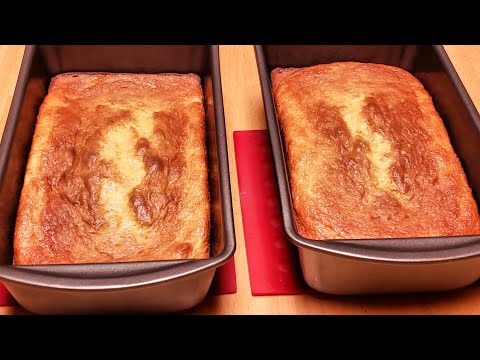
- Fill the pan and bake. Scrape the batter into the prepared pan and smooth the top. Bake at 350°F (175°C) for 60–70 minutes. Begin checking at 60 minutes: the top should be golden and set, and a toothpick inserted in the center should come out clean or with a few moist crumbs, not wet batter. If the top is browning quickly while the center is still wet, loosely tent it with foil and continue baking.
- Check the center and cool. For a more reliable check, insert an instant-read thermometer into the center without touching the pan; a quick bread is generally done around 200–205°F (93–96°C). This is also well above the USDA safe minimum of 160°F for egg dishes. Let the loaf rest in the pan for 15 minutes, then lift or turn it out onto a wire rack. Cooling before slicing lets the crumb finish setting; cutting while hot can make it seem gummy and cause slices to break.
Tips for Success
- Measure the flour lightly. Too much flour is an easy way to get a dry, heavy loaf. Fluff it in its container, spoon it into the cup, and level the top.
- Use very ripe bananas, but measure them. Brown-speckled fruit gives stronger banana flavor. Measuring the mashed fruit helps avoid adding so much that the center stays wet.
- Keep the pudding mix dry. Do not prepare it according to the package directions. The recipe is balanced for the powder itself.
- Mix gently after adding flour. Fold rather than beat, and stop when the dry ingredients disappear. The batter does not need to be perfectly smooth.
- Use the right pan size. A 9-by-5-inch loaf pan gives this relatively moist batter enough space to bake evenly. A smaller pan may overflow or leave a raw center; if using one, do not fill it more than about two-thirds full and bake any extra batter separately.
- Check more than one cue. A browned top alone does not guarantee a baked center. Use a toothpick and, if available, a thermometer in the middle of the loaf.
- Let it cool before slicing. At least 45 minutes on a rack makes cleaner slices and gives the middle time to settle. For especially neat slices, wait until the loaf is fully cool.
Troubleshooting
The center is wet or gummy. The loaf may need more oven time, or the bananas may have exceeded the measured amount. Return it to the oven if it is still warm and the center is clearly underbaked; tent the top with foil if it is already dark. Next time, check the center with a toothpick or thermometer rather than relying on the top color.
The loaf is dry or crumbly. Too much flour, overbaking, or slicing while the loaf is very hot can cause this. Measure flour by spooning and leveling, start checking at 60 minutes, and remove the loaf when the center is set and the tester shows moist crumbs rather than wet batter.
The loaf sank in the middle. A sunken center usually means the middle was not fully set before the loaf came out, or the batter was overmixed. Confirm the oven temperature if possible, avoid opening the door early, and check the center carefully before removing the pan.
The loaf is dense. Check that the baking soda is fresh and measured accurately. Also make sure the flour and pudding mix are whisked together, and avoid beating the batter after adding them. A dense loaf can still taste good, but these details encourage a more even crumb.
The top is dark before the middle is done. Oven behavior and pan material can affect browning. Tent the loaf loosely with foil once the top has reached the color you want, then continue baking until the center tests done.
The loaf sticks to the pan. Grease the corners thoroughly or use a parchment sling. Let the bread rest for 15 minutes before turning it out; turning it out immediately can make a soft loaf break, while leaving it in the pan until completely cold can make it harder to release.
Variations
Nutty banana bread: Fold in 1/2 cup chopped walnuts or pecans. Toasting the nuts briefly in a dry skillet over medium-low heat can deepen their flavor; cool them before adding so they do not warm the butter in the batter.
Chocolate chip: Use 1/2 cup chocolate chips instead of nuts. A semisweet chip balances the sweet banana and vanilla flavor; mini chips spread more evenly through the loaf.
Cinnamon: Add 1 teaspoon ground cinnamon to the dry ingredients. It complements the banana without changing the method.
More vanilla aroma: Keep the pudding mix amount the same and add up to 1/2 teaspoon additional vanilla extract. Do not replace the pudding mix with more extract; it supplies dry ingredients as well as flavor.
Smaller loaves or muffins: Divide the batter between two small greased loaf pans or standard muffin wells, filling each about two-thirds full. Baking time will be shorter and will vary with pan size, so begin checking well before the 60-minute loaf timing. Look for set tops and a tester without wet batter.
What to Serve With It
Serve a slice plain for an easy breakfast or snack, or add a little softened butter while the bread is just warm. Cream cheese is a tangy option, while a spoonful of yogurt or a piece of fresh fruit makes a simple breakfast plate. Coffee, tea, and milk all work well with the sweet banana-vanilla flavor.
If serving the loaf as dessert, warm a slice briefly and add a scoop of vanilla ice cream or a small spoonful of whipped cream. The bread is sweet on its own, so rich toppings are best kept modest. For a brunch spread, pair it with savory eggs or a cheese plate rather than adding another very sweet pastry.
Make-Ahead, Storage and Reheating
You can mash the bananas and measure the dry ingredients ahead, storing them separately and covered. For the best rise and texture, mix the wet and dry ingredients shortly before baking rather than letting the mixed batter sit. The baked loaf can also be made a day ahead; its flavor stays pleasant and the slices are easier to cut once fully cool.
Because this is a moist homemade loaf containing eggs, cool it on a rack and refrigerate it in a covered container within 2 hours of baking. Use refrigerated leftovers within 3–4 days, following USDA guidance for leftovers. Keep the loaf whole or slice it before storing; slices are convenient, but a whole loaf loses moisture more slowly. If condensation forms inside the container, let the loaf cool completely before covering it tightly next time.
To freeze, wrap the fully cooled loaf or individual slices tightly, then place them in a freezer-safe bag or container. Freeze for best quality for about 2–3 months. Thaw wrapped slices in the refrigerator or at room temperature, or warm them from frozen until heated through. The freezer time is a quality suggestion; food kept continuously frozen remains safe, though its texture and flavor can decline over time.
For a warm slice, heat it in a microwave in short bursts until pleasantly warm, or place slices on a baking sheet in a 300°F (150°C) oven for several minutes. Avoid prolonged heating, which can dry the crumb. If reheating a whole loaf, cover it loosely with foil and warm gently until heated through.
Recipe Card
Servings: 10–12 slices
Prep time: 15 minutes
Cook time: 60–70 minutes
Total time: About 1 hour 35 minutes to 1 hour 45 minutes, including a 20-minute initial cool
Ingredients
- 3 medium ripe bananas, mashed (about 1 1/2 cups)
- 1 cup granulated sugar
- 1/2 cup unsalted butter, softened
- 2 large eggs
- 1 teaspoon vanilla extract
- 1 cup all-purpose flour
- 1/2 cup dry instant vanilla pudding mix
- 1 teaspoon baking soda
- 1/2 teaspoon fine salt
- 1/2 cup chopped nuts or chocolate chips, optional
- 1 teaspoon butter or neutral oil, for greasing the pan if needed
Condensed Instructions
- Heat the oven to 350°F (175°C). Grease a 9-by-5-inch loaf pan or line it with parchment.
- Mash the bananas and measure about 1 1/2 cups.
- Beat the softened butter and sugar until creamy. Mix in the eggs one at a time, then add the vanilla and mashed bananas.
- Whisk the flour, dry pudding mix, baking soda, and salt in a separate bowl. Fold into the wet mixture just until no dry flour remains; fold in nuts or chocolate chips if using.
- Spread the batter in the pan and bake for 60–70 minutes. The top should be set and golden, and a toothpick in the center should show no wet batter. A thermometer should read about 200–205°F (93–96°C).
- Cool in the pan for 15 minutes, then transfer to a rack. Let it cool further before slicing for the neatest pieces.
Frequently Asked Questions
Do I make the pudding before adding it?
No. Measure 1/2 cup of instant vanilla pudding mix in its dry form and whisk it with the flour and other dry ingredients. Prepared pudding adds too much moisture and changes the recipe.
Can I use cook-and-serve pudding mix?
Instant mix is the specified ingredient. Cook-and-serve mix is formulated to be prepared with heat and liquid, so it is not a reliable one-for-one substitute here. If you do not have instant mix, it is better to choose a banana bread recipe developed without pudding mix.
How ripe should the bananas be?
Use soft bananas with abundant brown spots, or mostly brown peels, as long as the fruit is not moldy or spoiled. Very ripe bananas mash easily and bring more pronounced banana sweetness than firm, yellow fruit.
Can I make this without nuts or chocolate chips?
Yes. Both are optional, and you do not need to change the other ingredient amounts. The plain loaf has a soft, tender texture without add-ins.
How do I know the middle is done?
Insert a toothpick into the center; it should come out clean or with a few moist crumbs, not streaked with raw batter. A thermometer inserted in the center should read around 200–205°F (93–96°C). If the center is underdone, continue baking and check again after a few minutes.
Can I use frozen bananas?
Yes. Thaw them completely and drain away excess liquid before mashing, then measure the mashed fruit. Frozen bananas can become very soft after thawing, which is fine, but extra liquid can make the loaf take longer to bake and turn gummy.
Can I bake this in muffin tins?
Yes. Divide the batter among greased or lined muffin cups, filling each about two-thirds full. Muffins bake much faster than a loaf, so begin checking early; they are ready when the tops are set and a tester comes out without wet batter.
Why does the loaf need to cool before slicing?
The hot crumb is delicate and still settling. Cooling firms the center, makes cleaner slices, and reduces the chance that a moist piece will seem gummy or fall apart. If you want it warm, let it cool enough to slice, then warm individual pieces briefly.