The clam shell exercise is a fantastic way to strengthen the hip muscles, specifically targeting the glutes and stabilizing the pelvis. It’s a staple in many fitness routines, especially for those looking to improve lower body strength and stability. Whether you’re an athlete, recovering from an injury, or simply aiming to enhance your overall fitness, incorporating this exercise can make a significant difference.
What makes the clam shell exercise so effective is its ability to engage the gluteus medius, a crucial muscle for maintaining hip stability and preventing injuries. Plus, it’s easy to perform and requires no special equipment, making it accessible for everyone, whether you’re at home or in the gym.
Understanding the Clam Shell Exercise
The clam shell exercise is a simple yet effective movement aimed at strengthening the hip muscles, particularly the gluteus medius. This exercise is performed while lying on your side with knees bent, making it accessible to individuals of varying fitness levels.
In a bright and airy room, you can set yourself up on a yoga mat, allowing natural light to filter in. This environment creates a calming atmosphere, ideal for focusing on your form and technique as you engage in the exercise.
Why You Should Incorporate Clam Shells into Your Routine
Integrating the clam shell exercise into your regular fitness routine can bring about several benefits. This movement not only enhances hip strength but also promotes better posture and balance. Regular practice may improve performance in both sports and daily activities.
Furthermore, building strength in the hip area can significantly reduce the risk of injuries, particularly for athletes. Stronger hips contribute to greater stability and alignment, which are crucial for maintaining overall body health.
Key Benefits of the Clam Shell Exercise
One of the primary advantages of clam shells is that they specifically target the glutes and hip stabilizers. This focus on muscle strengthening leads to enhanced pelvic stability, which is vital for various physical activities.
Moreover, clam shells can be easily modified to suit different fitness levels. Whether you’re a beginner or more experienced, you can adjust the repetitions and intensity to match your capabilities.
Performing the Clam Shell Exercise
To execute the clam shell exercise, lie on your side with your legs stacked and knees bent at a 90-degree angle. Keep your feet together and lift your top knee while maintaining stability in your hips, mimicking the motion of a clam opening and closing.
It’s essential to focus on form throughout the movement. Hold the top position briefly before lowering your knee back to the starting point. Aim to complete 10-15 repetitions on each side, gradually increasing as you build strength.
Creating an Ideal Environment for Exercise
Your surroundings can significantly impact your workout experience. A bright, airy room with plenty of natural light not only enhances mood but also promotes focus and relaxation during exercise.
Having a dedicated space for your workouts, such as a yoga mat in a calming area of your home, can make your exercise routine more enjoyable. This environment encourages consistency and can lead to better results over time.
Incorporating Clam Shells into Your Weekly Routine
To reap the full benefits of clam shells, aim to include them in your fitness routine 2-3 times per week. This consistent practice will help you gradually strengthen your hip muscles and improve overall stability.
With just 10 minutes dedicated to this exercise, you can effectively work on building strength in your hips and glutes. Remember that consistency is key, and over time, you will likely notice improvements in your physical performance and overall well-being.
Why You Should Incorporate Clam Shells into Your Routine
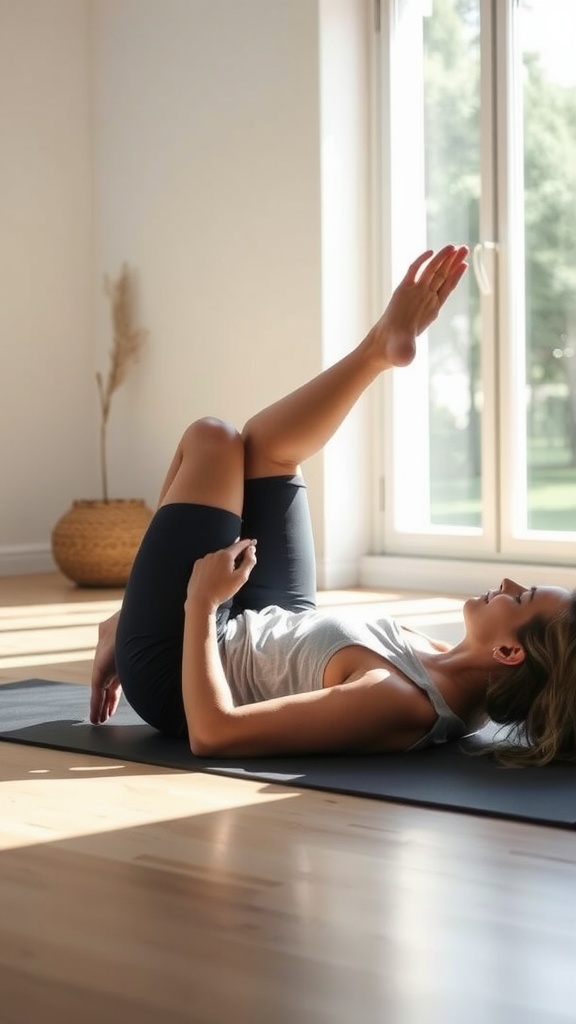
This exercise not only helps in building strength in the hips but also improves overall posture and balance. Regularly practicing clam shells can lead to better performance in sports and daily activities, as well as reduced risk of injuries related to weak hip muscles.