
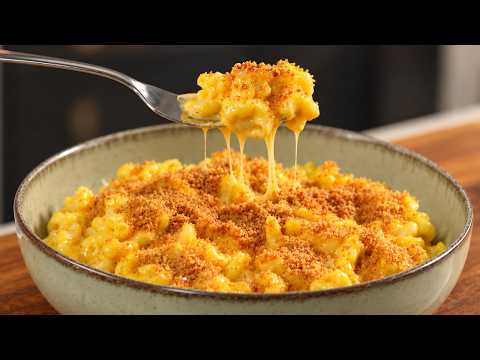
This creamy vegan pumpkin mac and cheese coats tender elbows in a smooth, savory sauce made with pumpkin puree, almond milk, vegan butter, and nutritional yeast. It comes together on the stovetop, so you can have a cozy bowl on the table without making a separate cheese sauce.
Pumpkin adds body and a gentle sweetness, while garlic, onion, smoked paprika, and nutritional yeast keep the flavor rounded and savory. The result is creamy rather than stretchy, with enough pumpkin character to make it feel seasonal but not so much that it tastes like dessert.
Why This Recipe Works
The sauce is blended from ingredients that are already smooth or finely powdered, so there is no roux to cook and no vegan cheese to melt. Warming the pumpkin, milk, and seasonings together gives the flavors time to mingle and makes the sauce easier to toss evenly with the pasta.
Cooking the macaroni just until tender but still pleasantly firm matters here. It continues to absorb sauce after draining, and a slightly firm bite helps it hold its shape through tossing or an optional oven finish. A little reserved pasta water is useful because its starch helps loosen the sauce without making it watery.
Finally, the sauce is kept at a gentle simmer rather than a hard boil. Plant milk can develop a cooked flavor or stick to the pan when overheated, and a vigorous boil can make a thick pumpkin sauce sputter. Gentle heat makes it easier to adjust the consistency and coat each piece of pasta.
Ingredients
- 8 ounces elbow macaroni, or another short pasta
- 1 cup pumpkin puree, canned or homemade and unsweetened
- 1 cup unsweetened almond milk, or another plain plant-based milk
- 1/4 cup nutritional yeast
- 2 tablespoons vegan butter
- 1 teaspoon garlic powder
- 1 teaspoon onion powder
- 1/2 teaspoon smoked paprika
- 1/2 teaspoon fine salt, plus more to taste
- 1/4 teaspoon ground black pepper, plus more to taste
- 2 tablespoons chopped fresh parsley or chives, optional
- 1/2 cup panko breadcrumbs, optional for a crisp topping
- 1 tablespoon vegan butter, optional for the breadcrumb topping
Ingredient Notes
Pasta: Elbows catch the sauce in their curves, but shells, small spirals, or another short shape work well. If using gluten-free pasta, follow its package directions and check it early; some varieties soften quickly. The sauce itself is naturally made without dairy, but check pasta packaging if avoiding gluten or other allergens.
Pumpkin puree: Use plain pumpkin puree, not pumpkin pie filling, which is sweetened and spiced. Homemade puree works if it is smooth and not unusually watery. If it seems loose, spoon off excess liquid before measuring so the finished sauce does not turn thin.
Plant milk: Unsweetened almond milk has a mild flavor, but unsweetened oat, soy, or cashew milk can also work. Choose an unflavored, unsweetened version; vanilla or sweetened milk will make the sauce taste noticeably different. Thicker plant milks may need a splash of water to reach a pourable consistency.
Nutritional yeast: This adds a savory, lightly nutty flavor that helps give the sauce its mac-and-cheese character. It is not the same as baking yeast. If you have a finely milled variety, it will blend in especially easily; stir and taste before adding more, since brands vary in saltiness and intensity.
Vegan butter and seasonings: Vegan butter gives the sauce a rounded finish. A neutral oil can replace it, though the flavor will be less buttery. Smoked paprika contributes warmth and a subtle smoky note; use sweet paprika instead if you prefer no smoke. Garlic and onion powders distribute evenly without needing extra chopping.
Optional topping: Panko and a little melted vegan butter make a crisp contrast to the creamy pasta. Leave them out for a fully stovetop dish. Fresh parsley or chives add a clean, fresh finish, but the recipe is still complete without a garnish.
Instructions
- Bring the water to a boil. Fill a large pot with water, salt it generously, and bring it to a boil over high heat. A large volume of water gives the pasta room to move and helps it cook evenly. There is no need to add oil, which can make sauce cling less readily to the pasta.
- Cook the macaroni. Add the pasta and cook according to the package directions, checking it a minute before the suggested time. It should be tender with a little firmness at the center, not soft or splitting. Reserve about 1/2 cup of pasta water, then drain the pasta well. The reserved water gives you a starchy way to loosen the sauce later.
- Start the sauce while the pasta cooks. In a medium saucepan, melt the 2 tablespoons of vegan butter over medium-low heat. Stir in the pumpkin puree, almond milk, nutritional yeast, garlic powder, onion powder, smoked paprika, salt, and pepper. Whisk until the mixture looks smooth and no dry clumps of seasoning remain. Starting over moderate heat helps the ingredients combine without scorching the pumpkin.
- Warm and adjust the sauce. Cook, stirring often, until the sauce is hot and just beginning to steam, about 4 to 6 minutes. Do not let it boil hard. It should look glossy and thick enough to coat a spoon; if it is too thick, whisk in a splash of almond milk or reserved pasta water. Taste and adjust the salt, pepper, or nutritional yeast. Tasting now is useful because the pasta will soften the seasoning slightly once mixed in.
- Combine pasta and sauce. Add the drained macaroni to the saucepan and stir gently over low heat for 1 to 2 minutes, until the sauce clings to the pasta and the whole dish is hot. If it looks tight or pasty, add reserved pasta water a tablespoon at a time. Stop when the sauce flows easily around the elbows; it will thicken a little as it stands.
- Serve stovetop, or add an optional crisp top. For the stovetop version, spoon the pasta into bowls and finish with parsley or chives. For a baked top, heat the oven to 375°F. Toss the panko with the optional tablespoon of melted vegan butter, spread the mac and cheese in a shallow oven-safe dish, and scatter the crumbs over it. Bake for 10 to 15 minutes, until the topping is lightly golden and the edges are bubbling. The pasta is already cooked, so the oven step is only to heat it through and crisp the topping; avoid baking longer than needed or the sauce can dry out.
Serves: 4. Prep time: 10 minutes. Cook time: 15 minutes stovetop, or up to 30 minutes with the optional oven finish. Total time: about 25 minutes stovetop, or about 40 minutes with the topping.
Tips for Success
- Use plain pumpkin. Pumpkin pie filling contains sweeteners and spices that do not suit this savory sauce. Check the label if the container is not clearly marked.
- Salt the pasta water. The sauce is flavorful, but pasta cooked in unsalted water can make the final dish taste flat. Season the sauce too, then make the final adjustment after everything is combined.
- Reserve pasta water before draining. It is easy to forget once the pot is at the sink. Keep a measuring cup beside the stove and scoop some out first.
- Keep the heat gentle. Stir the sauce often and lower the heat if it starts bubbling rapidly. Gentle heating helps it stay smooth and prevents pumpkin from sticking to the bottom of the pan.
- Adjust consistency in small additions. Add pasta water or plant milk a tablespoon at a time. A large pour can make the sauce thin before you have a chance to see how it coats the pasta.
- Serve soon after mixing. Pasta continues to absorb liquid as it sits. If dinner is delayed, keep a little warm plant milk or pasta water nearby to loosen the sauce just before serving.
- Use a shallow dish for the optional bake. A broad layer warms more evenly and gives the crumbs more surface area to toast. Since the topping is optional, skip the oven if you want a softer, saucier finish.
Troubleshooting
The sauce is too thick: Stir in warm plant milk or reserved pasta water a tablespoon at a time over low heat. Pasta starch helps the sauce loosen while still clinging to the macaroni. Avoid adding a large amount at once; the sauce should be creamy, not soupy.
The sauce is too thin: Let it warm gently for another minute or two while stirring, then add the pasta and toss. The pasta will take up some sauce as it rests. If it remains loose, mix in a small spoonful of nutritional yeast and taste again rather than reducing it at a hard boil.
The flavor seems bland: Add salt in small pinches and taste after each addition. A little more nutritional yeast can add savory depth, while black pepper or smoked paprika can sharpen the finish. If the pumpkin tastes especially sweet, a small pinch of salt often helps balance it.
The sauce tastes too strongly of pumpkin: Stir in a splash of plant milk and a little more nutritional yeast, then taste again. Make sure the paprika, garlic, and onion are evenly mixed in. Pumpkin puree varies, so seasoning to taste is more reliable than adding a large amount of any one spice.
The sauce looks grainy: Whisk it thoroughly while warm and make sure the nutritional yeast has no dry clumps. Keep it below a vigorous boil. If the texture is still slightly coarse, a brief blend with an immersion blender can smooth it, taking care to avoid splashes from the hot sauce.
The baked pasta is dry: It may have spent too long in the oven or gone in with sauce that was already too thick. Stir in warm plant milk before serving. Next time, keep the oven finish brief and take the dish out as soon as the topping is golden and the edges bubble.
Variations
Add vegetables: Fold in cooked broccoli florets, peas, sautéed mushrooms, or wilted spinach when you combine the pasta and sauce. Cook vegetables separately until tender and drain away excess moisture, especially for frozen vegetables, so they do not water down the sauce.
Make it spicy: Add a pinch of cayenne or red pepper flakes with the other seasonings. Begin with a small amount and taste before adding more; heat can become more noticeable after the sauce coats the pasta.
Change the herbs and spices: A pinch of ground mustard can add a familiar sharp note, while a little dried thyme gives the sauce an earthy edge. Keep additions modest so the pumpkin and nutritional yeast remain the main flavors.
Use a different pasta shape: Small shells, cavatappi, or short spirals are good alternatives to elbows because their ridges and curves hold sauce. Adjust cooking by the package directions and check for doneness before draining.
Make the topping your own: Use coarse breadcrumbs in place of panko, or omit the crumbs for a simpler dish. For extra texture, stir a small handful of chopped toasted nuts into the crumb mixture, but add them only if they suit the people you are serving.
What to Serve With It
This mac and cheese is rich and filling, so it pairs well with something crisp or fresh. Serve it with a green salad dressed with a sharp vinaigrette, steamed green beans, roasted broccoli, or a plate of sliced vegetables. A simple side helps balance the creamy texture without competing with the pumpkin sauce.
For a more substantial meal, serve it alongside baked tofu, seasoned beans, or roasted chickpeas. If you are planning a holiday-style spread, it fits naturally beside roasted vegetables and a bright salad. Add the fresh parsley or chives just before serving so their flavor stays lively.
Make-Ahead, Storage and Reheating
The sauce can be made ahead and refrigerated in a covered container for up to three days. Rewarm it gently in a saucepan, whisking in a splash of plant milk or water until smooth, then toss with freshly cooked pasta. This keeps the pasta from absorbing the sauce while it waits.
Store assembled leftovers in a shallow, covered container in the refrigerator and use them within three to four days. Refrigerate promptly, within two hours of cooking. For the best texture, keep the breadcrumb topping separate if you can; it softens as it sits against the sauce.
To reheat on the stovetop, warm a portion over low heat with a splash of plant milk or water, stirring often until steaming hot throughout. In a microwave, cover loosely and heat in short intervals, stirring between them so the center warms evenly. Reheat leftovers to one hundred sixty-five degrees Fahrenheit. Add fresh herbs after reheating.
You can freeze the assembled dish for about two to three months, though the pasta may soften and the sauce may separate slightly after thawing. Cool it promptly, pack it airtight, and thaw it in the refrigerator before reheating. Stir well as it warms and add plant milk gradually to bring the sauce back together. Freezing the sauce separately from freshly cooked pasta generally gives a better texture.
Frequently Asked Questions
Can I use fresh pumpkin puree?
Yes. Use cooked, smooth pumpkin puree with no added sugar or spices. Homemade puree can contain more water than canned puree, so drain it if it looks loose and adjust the sauce with small splashes of plant milk as needed.
Is this recipe nut-free?
It can be made without nuts by replacing the almond milk with an unsweetened plant milk that is safe for your household, such as oat or soy milk. Check labels for cross-contact information if allergies are a concern, and confirm that the vegan butter and pasta suit your needs.
Can I make it gluten-free?
Use a gluten-free short pasta and, if making the crisp topping, gluten-free breadcrumbs. Gluten-free pasta can become soft quickly, so check it early and drain as soon as it is tender but still holds its shape.
Does this taste strongly like pumpkin?
The pumpkin is noticeable as a creamy, mildly sweet background flavor, but the nutritional yeast, garlic, onion, and paprika make the sauce savory. The exact balance depends on the pumpkin and plant milk, so taste the sauce before adding the pasta and adjust the seasonings.
Can I make the sauce without nutritional yeast?
You can leave it out, but the sauce will lose some of its savory, cheese-like character. Add a little extra salt and taste carefully; no single substitute will duplicate nutritional yeast exactly. A small amount of ground mustard can add another savory note if you like.
Can I prepare the whole dish ahead?
Yes, but the pasta will absorb some sauce as it rests. Refrigerate it promptly, then reheat gently with plant milk or water, stirring until creamy and hot throughout. For the best texture, make the sauce ahead and cook the pasta closer to serving time.
Why is my sauce not stretchy like dairy cheese sauce?
This recipe is designed to be smooth and creamy, not stretchy. Pumpkin puree and plant milk create a coating sauce, while nutritional yeast adds savory flavor. Vegan cheese products behave differently from one another, so adding one would change the texture and seasoning.