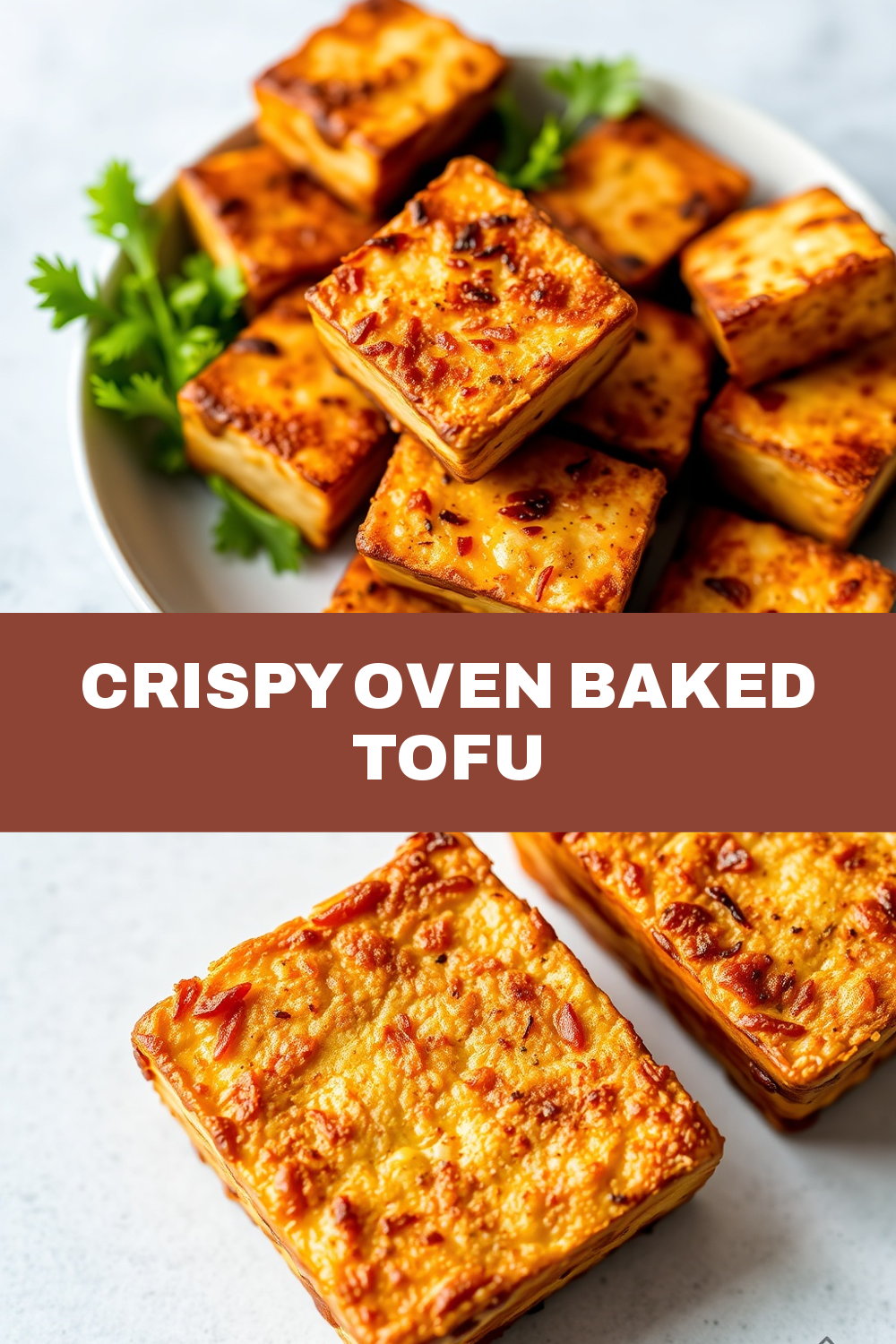
This guide covers ten ways to make crispy oven baked tofu, from a dependable cornstarch-coated basic recipe to crunchy panko and saucy finishes. It is for anyone who wants tofu with browned edges and a firm bite, whether you are building a weeknight rice bowl, adding protein to a salad, or looking for a plant-based snack.
1. Classic Cornstarch-Crusted Tofu
For a crisp, versatile result, coat pressed extra-firm tofu with a little oil, soy sauce, and cornstarch, then bake it in a single layer. Cornstarch forms a dry coating that browns in the oven, while soy sauce adds savory flavor; the cubes work with grain bowls, stir-fried vegetables, or dipping sauce. This is a useful starting point because you can keep the seasoning simple and change the sauce at serving time.
Ingredients
- 1 lb extra-firm tofu
- 1 tbsp soy sauce
- 1 tbsp neutral oil
- 1 tbsp cornstarch
- 1/2 tsp garlic powder
- 1/4 tsp black pepper
Instructions
- Heat the oven to 425°F. Line a rimmed baking sheet with parchment paper.
- Drain the tofu and press it between clean towels, using a heavy pan or another weight, for 20 to 30 minutes. Cut it into roughly 1-inch cubes and blot away surface moisture.
- In a bowl, gently toss the cubes with soy sauce and oil. Sprinkle on the cornstarch, garlic powder, and pepper, then toss again until the pieces have a thin, even coating.
- Spread the tofu on the prepared sheet with space between the pieces. Bake for 25 to 30 minutes, turning the cubes after about 15 minutes, until browned and crisp at the edges. Serve hot for the crunchiest texture.
2. Sesame-Soy Tofu
For a nutty, savory variation, add sesame oil and toasted sesame seeds to the classic seasoning, and use soy sauce or tamari for saltiness. Sesame oil is potent, so a small amount gives the tofu fragrance without making the coating greasy; a little neutral oil can provide the rest of the fat. Sprinkle the seeds on after baking, or add them near the end so they toast without becoming bitter.
3. Garlic and Black Pepper Tofu
Garlic powder and freshly ground black pepper make a pantry-friendly coating that pairs especially well with steamed rice, broccoli, and a simple soy-vinegar dip. Powdered garlic distributes more evenly than fresh minced garlic, which can burn during a hot, extended bake. For a stronger pepper note, grind pepper over the finished tofu just before serving rather than adding a large amount to the coating.
4. Smoked Paprika Tofu
Mix smoked paprika into the dry coating for a warm, smoky flavor that suits roasted potatoes, tacos, and salads with corn or beans. The spice adds color as well as aroma, but it does not make tofu taste like it has been grilled over a fire. Pair it with cumin for a deeper savory profile, or keep the spices restrained if you plan to toss the cubes with a strongly flavored sauce later.
5. Nutritional Yeast Tofu
Nutritional yeast gives the coating a savory, lightly cheesy character without dairy, making these cubes a good topping for kale salads, pasta, or baked potatoes. Stir it into the cornstarch and seasonings before coating the tofu so it adheres across the surfaces rather than gathering in clumps. Because nutritional yeast can brown quickly, check the tofu near the end of baking and take it out once the edges are crisp and golden.
6. Panko-Crunch Tofu
For a more pronounced, breaded crunch, dip tofu pieces in a thin slurry of flour and water, then press panko breadcrumbs onto each side. Panko creates a coarse, airy shell that is different from the fine, light crust made by cornstarch, and it is especially good with a creamy dip. Arrange the pieces with room around them and turn carefully; crowded tofu can steam, and a loosely attached crumb coating may come off if handled too soon.
7. Curry-Spiced Tofu
A blend of curry powder, garlic, and a pinch of salt makes golden tofu that fits naturally into a rice bowl with roasted cauliflower or chickpeas. Curry powders vary in heat and composition, so taste the blend before using it and start with a modest amount if its flavor is unfamiliar. Use the same light oil-and-cornstarch coating as the basic method, then serve with lemon or a cooling yogurt-style sauce to balance the spices.
8. Lemon-Herb Tofu
Dried oregano or thyme, black pepper, and lemon zest give the tofu a fresh, savory direction for salads, wraps, and Mediterranean-inspired plates. Add the zest to the dry coating, but save lemon juice for serving because liquid added before baking can soften the crust. A squeeze of lemon over the hot cubes brings brightness without requiring a complicated marinade or a long waiting time.
9. Barbecue-Glazed Tofu
For a sticky, smoky finish, bake the tofu with a plain or lightly seasoned coating first, then toss it with barbecue sauce and return it to the oven briefly. Adding the sauce only near the end matters because its sugars can darken or burn during a full bake, and a wet coating can prevent the tofu from crisping. Use just enough sauce to gloss the cubes, and serve extra at the table for anyone who wants a saucier bite.
10. Buffalo-Style Tofu
Once baked crisp, toss the cubes gently with buffalo-style hot sauce and a little melted butter or plant-based butter, then serve promptly with celery sticks and a cooling dip. This approach preserves more crunch than coating the tofu in sauce from the start, though the pieces will soften as they sit. It works well in wraps or snack platters, where the contrast between spicy tofu and a cool dip is part of the appeal.
How to Choose
Start with texture: extra-firm tofu holds its shape best, while firm tofu can work if you press it thoroughly and handle it gently. Pressing and blotting remove surface moisture, which helps the coating adhere and encourages browning; a tofu press is convenient but not required. Cut pieces to a similar size so they finish at roughly the same time, and leave visible space between them on the baking sheet rather than piling them together.
Next, choose the coating for the result you want. Cornstarch gives a fine, crisp exterior with little fuss, while panko makes a thicker, more breaded crunch and needs a slurry or another binder. A small amount of oil supports browning, but soaking the tofu in oil or marinade is not a shortcut to crispness. For a sauce-heavy version, bake the tofu first and glaze it near the end or after baking; for a dry spice blend, season before baking so the flavors cling to the coating.
Finally, consider how you will serve it. Plain garlic-pepper or sesame tofu is easy to combine with different meals, whereas curry, barbecue, and buffalo versions have a more defined flavor and work best when the rest of the plate complements them. Oven temperatures and baking sheets can vary, so use the stated time as a guide and judge by browned edges and a firm exterior. If the tofu is pale or soft, give it a few more minutes rather than adding more sauce.
Frequently Asked Questions
Do I have to press tofu before baking?
Pressing is helpful, especially for extra-firm tofu that is wet from its package, because excess moisture can interfere with browning. You do not need specialized equipment: wrap the block in a clean towel and place a weighted pan on top for 20 to 30 minutes. If you skip pressing, blot it very well and expect the texture to be less crisp or the baking time to vary.
Can I use firm tofu instead of extra-firm tofu?
Yes, but firm tofu contains more moisture and is more delicate, so press it thoroughly and cut it into pieces that are not too small. Toss gently to avoid breaking the cubes, and allow extra baking time if the surfaces still look wet. Silken tofu is not a good substitute for this method because it is too soft to hold the same shape.
Why did my tofu turn out soft?
Common causes include skipping the pressing step, crowding the baking sheet, using too much wet marinade, or taking the tofu out before its coating has browned. Spread the pieces apart, blot them dry, and use a thin starch coating rather than a heavy, damp one. If you plan to add sauce, wait until the tofu is crisp and nearly finished baking.
Can I make crispy tofu without cornstarch?
Yes. Try arrowroot starch or potato starch as a similar dry coating, or use a flour-and-water slurry with panko for a breaded crust. The texture will differ slightly from cornstarch, so keep the layer light and avoid expecting a thick crumb coating from starch alone.
How should I reheat leftover baked tofu?
Reheat it on a baking sheet in a 400°F oven until hot, or use an air fryer if you have one, checking as it warms. A microwave heats tofu but tends to soften the crust. Keep leftovers in a covered container in the refrigerator and use them within three to four days; sauced tofu is likely to be softer than tofu stored plain.
Final Thoughts
Crispy oven baked tofu depends on a few practical choices: start with firm tofu, remove surface moisture, coat it lightly, and give the pieces room to brown. The cornstarch version is a reliable base, while sesame, spice blends, panko, and late-added sauces let you tailor the flavor to the meal. Bake a plain batch when you want flexibility, then sauce only what you plan to serve.