
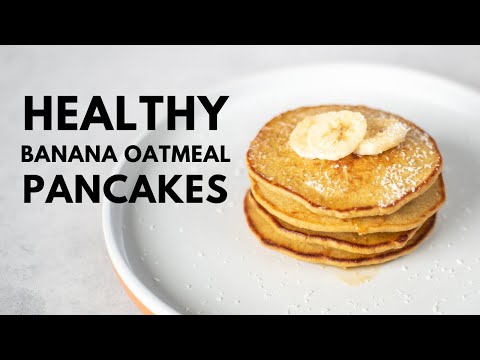
These easy banana oat pancakes are the kind of breakfast that feels like a small victory on a busy morning. They come together in a single blender or mixing bowl, use ingredients you likely already have on your counter, and cook in about the same time it takes to brew a pot of coffee. What you get is a stack of tender, naturally sweet pancakes with a gentle oat flavor and a soft, custardy interior that crisps at the edges. No flour, no added sugar, no fuss—just ripe bananas, oats, and eggs doing all the work.
This version works because it leans into the natural moisture and sweetness of very ripe bananas, letting them stand in for both the flour’s binding power and the sugar’s sweetness. The oats, ground fine, give the batter structure without making it heavy, while the eggs provide lift and richness. A touch of baking powder (if you have it) makes them fluffier, and a pinch of cinnamon or a drop of vanilla turns them into something you’ll crave on repeat. They’re not a pale imitation of a buttermilk pancake—they’re their own thing: wholesome, lightly sweet, and satisfying in a way that feels both indulgent and virtuous.
Why This Recipe Works
The magic here is in the ratio and the technique. Two ripe bananas provide enough moisture to replace milk or buttermilk, and their natural sugars caramelize beautifully in the pan, giving the pancakes golden-brown edges and a deep, almost toasty sweetness. The oats, when blended or finely ground, act as the sole flour—they absorb the banana’s moisture and the egg’s liquid, creating a batter that’s thick enough to hold its shape on the griddle but soft enough to cook through evenly.
Eggs are the structural backbone. They bind the oats and banana together, and when beaten or blended in, they add air that helps the pancakes rise. The optional baking powder gives an extra lift, making the pancakes noticeably fluffier, but even without it, the eggs and the starch from the oats will give you a tender, satisfying pancake. The key is to let the batter rest for a few minutes after mixing—this allows the oats to fully hydrate, which prevents a gritty texture and makes the pancakes more cohesive.
Finally, cooking them low and slow is non-negotiable. Because these pancakes are denser than traditional flour-based ones, they need gentle heat to cook all the way through without burning the outside. A medium-low griddle, a little patience, and a watchful eye will give you pancakes that are golden on the outside and soft, almost creamy, on the inside.
Ingredients
- 2 ripe bananas (about 1 cup mashed)
- 1 cup rolled oats (old-fashioned, not instant)
- 2 large eggs
- 1 teaspoon baking powder (optional, for fluffier pancakes)
- 1/2 teaspoon ground cinnamon (optional)
- 1/2 teaspoon vanilla extract (optional)
- Pinch of salt (optional, to enhance flavor)
- Butter or neutral oil, for the pan
Ingredient Notes
Bananas: The riper, the better. Look for bananas with brown spots or fully yellow with a fragrant, sweet aroma. Overly green bananas won’t mash as smoothly and will taste starchy, not sweet. The bananas are the only sweetener here, so don’t skimp on ripeness.
Rolled oats: Old-fashioned rolled oats give the best texture. Quick oats can be used in a pinch, but they’ll make a slightly softer, less textured pancake. Steel-cut oats are too hard and won’t blend into a smooth batter—avoid them. If you’re gluten-sensitive, use certified gluten-free oats.
Eggs: Large eggs are standard. They provide moisture, structure, and lift. If you want to make these vegan, you can try a flax egg (1 tablespoon ground flaxseed mixed with 3 tablespoons water per egg), but the texture will be denser and less tender.
Baking powder: This is optional, but it makes a real difference in fluffiness. If you skip it, your pancakes will be more like thin, dense oat cakes—still delicious, but less airy. Make sure your baking powder is fresh; if it doesn’t fizz when mixed with water, it’s past its prime.
Cinnamon and vanilla: These are flavor enhancers. Cinnamon adds warmth, vanilla adds depth. You can use one, both, or neither. A tiny pinch of salt (about 1/8 teaspoon) balances the sweetness and brings out the banana flavor.
Instructions
- Mash the bananas. Peel the bananas and place them in a large mixing bowl. Use a fork or potato masher to mash them until they’re mostly smooth, with a few small lumps for texture. You should have about 1 cup of mashed banana. If you prefer a completely smooth batter, you can use a blender for the entire batter (see step 2 note).
- Add the remaining ingredients. To the mashed bananas, add the rolled oats, eggs, baking powder (if using), cinnamon (if using), vanilla (if using), and a pinch of salt. Stir with a spoon or whisk until everything is well combined. The batter will be thick, but it should be uniformly mixed. If you have a blender, you can combine all ingredients (including the oats) and blend on low until smooth—this yields a silkier texture, but the oats will be fully pulverized, so you’ll lose some of the rustic texture.
- Let the batter rest. Set the batter aside for 5–10 minutes. This is a crucial step: the oats need time to absorb the liquid from the bananas and eggs. Without resting, the pancakes may be gummy or gritty in the center. After resting, the batter will thicken slightly—if it seems too thick, you can add a teaspoon of milk or water, but it should be about the consistency of a thick milkshake.
- Preheat your pan. Place a large nonstick skillet or griddle over medium-low heat. Add a small pat of butter or a drizzle of neutral oil (about 1 teaspoon) and let it melt and sizzle gently. The pan is ready when a drop of water flicked onto the surface dances and evaporates quickly—but if it smokes, it’s too hot.
- Cook the pancakes. Pour about 1/4 cup of batter onto the hot pan for each pancake. Use the back of a spoon to spread the batter slightly into a round, about 3–4 inches in diameter. Cook for 2–3 minutes, or until you see bubbles forming on the surface and the edges look set and slightly dry. The bottom should be golden brown when you peek with a spatula.
- Flip and finish. Carefully flip the pancake with a thin spatula. Cook for another 2–3 minutes on the second side, until the bottom is golden brown and the pancake feels firm to the touch. Press gently with the spatula—if it springs back, it’s done. Transfer to a plate and repeat with the remaining batter, adding more butter or oil to the pan as needed. Keep cooked pancakes warm in a 200°F oven on a baking sheet if you’re making a large batch.
Servings: 2–3 (makes about 6 pancakes) | Prep time: 10 minutes | Cook time: 15 minutes | Total time: 25 minutes
Tips for Success
- Use very ripe bananas. The more brown spots, the sweeter and more flavorful your pancakes will be. If your bananas are only slightly ripe, you can speed up the ripening by placing them in a paper bag overnight or baking them at 300°F for 15 minutes until the peels turn black.
- Don’t overmix. If you’re mixing by hand, stir just until the ingredients are combined. Overmixing can make the oats release too much starch, resulting in a rubbery texture.
- Rest the batter. This is not optional. The rest allows the oats to soften and the batter to thicken, which makes the pancakes easier to flip and gives them a better texture.
- Keep the heat medium-low. These pancakes are thicker and more moist than regular pancakes, so they need lower heat to cook through without burning. If your pancakes are browning too quickly, lower the heat and cook them a little longer.
- Use a nonstick pan. A good nonstick skillet or well-seasoned cast iron will make flipping much easier. If you use stainless steel, be sure to add enough butter or oil to prevent sticking.
- Measure the batter consistently. Use a 1/4-cup scoop or measuring cup for even-sized pancakes. This ensures they cook at the same rate.
- Keep them warm. If you’re cooking in batches, place finished pancakes on a baking sheet in a 200°F oven. This keeps them warm without drying them out.
Troubleshooting
Pancakes are too thick and raw in the middle. This usually means your heat is too high. The outside cooks quickly while the inside remains wet. Lower the heat to medium-low and cook for a longer time on each side. Also, make sure your batter isn’t too thick—if it’s too stiff, add a tablespoon of milk or water to loosen it.
Pancakes fall apart when flipping. This can happen if the batter is too thin (too much banana or not enough oats) or if you flip too early. Wait until the edges look set and bubbles have formed on the surface. If the batter seems loose, add a couple of tablespoons of oats and let the batter rest for 5 minutes before cooking.
Pancakes are gritty. The oats weren’t given enough time to hydrate, or you used steel-cut oats. Always use rolled oats and let the batter rest for at least 5 minutes. If you want a smoother texture, blend the batter in a blender until completely smooth.
Pancakes are too brown on the outside but still raw inside. Your pan is too hot. Turn the heat down and cook the pancakes more slowly. You can also try flattening the pancakes slightly with the back of your spatula after pouring the batter to help them cook more evenly.
Pancakes stick to the pan. Use more butter or oil, and make sure your pan is properly preheated. A nonstick pan is best. If using cast iron, make sure it’s well-seasoned.
Batter is too runny. This can happen if your bananas are very large or very ripe (they release more liquid). Add a few more tablespoons of oats and let the batter rest for 5 minutes to thicken.
Variations
Add-ins: Fold in 1/4 cup of chopped walnuts, pecans, or dark chocolate chips after mixing the batter. For a fruity twist, add 1/4 cup of fresh blueberries or raspberries—but toss them in a little oat flour to prevent them from sinking and bleeding into the batter.
Spiced version: Add 1/4 teaspoon of ground nutmeg or ginger along with the cinnamon for a warmer, more complex spice profile. A pinch of cardamom also works beautifully with banana.
Peanut butter swirl: For a richer pancake, swirl 2 tablespoons of peanut butter or almond butter into the batter just before cooking. This adds protein and a nutty flavor that pairs perfectly with the banana.
Vegan option: Replace the eggs with two flax eggs (2 tablespoons ground flaxseed mixed with 6 tablespoons water, left to sit for 5 minutes). The pancakes will be slightly denser, but still delicious. Use a non-dairy butter or oil for the pan.
Gluten-free: These pancakes are naturally gluten-free if you use certified gluten-free rolled oats. Just check your baking powder is gluten-free too.
Savory twist: Omit the cinnamon and vanilla, add a pinch of salt and a crack of black pepper, and serve the pancakes with a fried egg and avocado for a savory breakfast.
What to Serve With It
These pancakes are fantastic with a simple drizzle of maple syrup, but they also shine with a dollop of Greek yogurt, a spoonful of almond butter, or a smear of peanut butter. Fresh berries, sliced bananas, or a handful of toasted coconut flakes add freshness and texture. For a more indulgent breakfast, top them with a pat of butter and a sprinkle of brown sugar, or serve them with a side of crispy bacon for a sweet-and-savory contrast. They also pair well with a hot cup of coffee or a cold glass of milk.
Make-Ahead, Storage and Reheating
Make the batter ahead: You can mix the batter up to 24 hours in advance and store it in an airtight container in the refrigerator. The oats will continue to absorb liquid, so the batter may thicken—stir in a tablespoon of milk or water before cooking to loosen it. The color may darken slightly due to oxidation of the bananas, but the flavor will be fine.
Store cooked pancakes: Leftover pancakes can be refrigerated in an airtight container for up to 3 days. Stack them with a piece of parchment paper between each pancake to prevent sticking.
Freeze for later: These pancakes freeze beautifully. Place them in a single layer on a baking sheet and freeze for 1 hour, then transfer to a freezer-safe bag or container. They’ll keep for up to 2 months. To reheat, pop them in a toaster or toaster oven on a medium setting, or microwave for 30–45 seconds. For a crispier texture, reheat in a skillet over medium heat with a little butter.
Frequently Asked Questions
Can I use quick oats instead of rolled oats? Yes, quick oats will work, but they’ll produce a softer, less textured pancake. Since they’re more finely chopped, they absorb liquid faster, so you may need to reduce the resting time to 3–5 minutes.
Can I make these without eggs? Yes, you can use a flax egg (1 tablespoon ground flaxseed mixed with 3 tablespoons water per egg) or a chia egg. The pancakes will be a bit denser and may spread more, but they’ll still hold together. For best results, add an extra 1/2 teaspoon of baking powder to help with lift.
Why are my pancakes not fluffy? The most common reason is skipping the baking powder. If you used it, make sure it’s fresh. Also, don’t overmix the batter—overmixing can deflate any air bubbles. Finally, let the batter rest so the oats can soften and the baking powder can activate.
Can I make the batter in a blender? Absolutely. Add all ingredients to a blender and blend on low until smooth, about 30 seconds. This gives a silkier texture, but you’ll lose the rustic oat bits. If you do this, you may need to add a little milk if the batter seems too thick.
How do I know when the pancakes are done? The edges will look set and slightly dry, and bubbles will form on the surface. When you flip, the bottom should be golden brown. The second side cooks faster—check after 2 minutes. Press gently with a spatula; if it springs back, they’re done.
Can I add protein powder? Yes, you can add 1 scoop (about 30g) of your favorite protein powder. You’ll need to add a splash of milk to keep the batter from becoming too thick, and the pancakes may be slightly drier. Add an extra tablespoon of milk or a half a mashed banana to compensate.
Can I use frozen bananas? Yes, thaw them first and drain any excess liquid. Frozen bananas are often softer and sweeter, which works well. Just mash them well and proceed with the recipe.
How do I keep pancakes warm while making the rest? Place them in a single layer on a baking sheet in a 200°F oven. Don’t stack them, or they’ll steam and become soggy.