
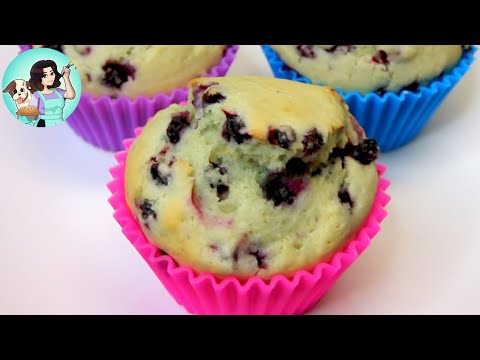
These easy wild huckleberry muffins are tender, lightly sweet muffins with small bursts of tart berry in every bite. Whole wheat flour adds a gentle, nutty flavor, while cinnamon gives the batter a cozy warmth without covering up the huckleberries.
The method is straightforward: mix the dry and wet ingredients separately, combine them just until the flour disappears, then fold in the berries. Buttermilk or yogurt supplies moisture and acidity, and a brief hot start in the oven helps the muffins rise with rounded tops. The result is a soft crumb, a lightly crisp edge, and a flavor that is sweet enough for breakfast but still lets the berries lead.
Why This Recipe Works
A blend of all-purpose and whole wheat flour gives these muffins more character than an all-white-flour batter while keeping the texture tender. Whole wheat flour absorbs more liquid and has a heartier texture, so pairing it with all-purpose flour helps prevent a dense, heavy muffin. Measuring the flour carefully and stopping mixing as soon as the dry streaks disappear matter just as much as the blend.
Both baking powder and baking soda have a job here. Baking powder provides lift, while baking soda reacts with the acidity in buttermilk or yogurt. That combination helps the batter rise and gives it a balanced flavor. If you choose yogurt, use plain, unsweetened yogurt; a very thick yogurt can be loosened with a little milk until it resembles buttermilk.
Melted butter makes the batter easy to stir by hand and gives the muffins a rich, buttery taste. Let it cool briefly before adding it to the wet ingredients so it does not scramble the eggs or make the mixture unpleasantly hot. The batter should be thick, not pourable. A gentle fold keeps the berries intact and avoids developing too much gluten, which can make muffins tough.
Baking at a higher temperature briefly, then lowering the oven temperature, encourages a quick initial rise without leaving the centers underbaked. The reliable doneness cue is a toothpick inserted into a muffin near the center of the pan: it should come out clean or with a few moist crumbs, not wet batter.
Ingredients
- 1 cup all-purpose flour
- 1 cup whole wheat flour
- ½ cup granulated sugar
- ¼ cup packed brown sugar
- 2 tsp baking powder
- ½ tsp baking soda
- ½ tsp fine salt
- 1 tsp ground cinnamon, optional
- 1 cup buttermilk or plain yogurt
- ½ cup unsalted butter, melted and cooled slightly
- 2 large eggs, at room temperature if convenient
- 1 tsp vanilla extract
- 1 cup fresh or frozen wild huckleberries
- 1 tsp finely grated lemon zest, optional
Ingredient Notes
Wild huckleberries: Fresh berries should be picked over to remove leaves or stems, then rinsed and dried gently. Frozen berries work well, too; add them straight from the freezer rather than thawing them, which can make them release more juice and tint the batter. If your berries are especially large, you can leave them whole or halve them. Handle them gently so they do not crush as you fold.
Flour: The all-purpose flour gives the muffins structure without making them overly hearty. Whole wheat flour contributes a mild, nutty flavor. For a softer, lighter muffin, you can replace the whole wheat flour with the same amount of all-purpose flour, though the flavor and texture will be less rustic. Spoon flour into the measuring cup and level it rather than scooping directly from the bag, which can pack in too much.
Buttermilk or yogurt: Either option brings moisture and acidity. Buttermilk makes a fluid batter that is easy to combine. Plain yogurt makes a slightly thicker batter and produces a pleasantly tender crumb. Use unsweetened yogurt, preferably not a strongly flavored variety. If it is very thick, stir in milk a tablespoon at a time until it loosens.
Butter, sugars, and eggs: Melted unsalted butter provides richness; if using salted butter, reduce the added salt slightly. Granulated sugar sweetens the crumb, while brown sugar adds a mild molasses note and helps the muffins stay moist. Eggs bind the batter and support its structure. Vanilla rounds out the flavor but can be omitted if needed.
Leaveners, salt, and cinnamon: Baking powder and baking soda should be fresh enough to work properly; old leaveners may leave muffins flat. Salt brings the sweetness and berry flavor into balance. Cinnamon is optional, and leaving it out gives a clearer, brighter huckleberry flavor. A little lemon zest is also optional and adds a fresh citrus note without making the muffins taste lemony.
Instructions
- Prepare the pan and oven. Set a rack in the middle of the oven and heat it to 425°F. Grease a 12-cup muffin pan or line it with paper liners. If using paper liners, a light coating of cooking spray can help the muffins release cleanly. Having the pan ready before mixing keeps the batter from standing while the oven heats.
- Combine the dry ingredients. In a large bowl, whisk together the all-purpose flour, whole wheat flour, granulated sugar, brown sugar, baking powder, baking soda, salt, and cinnamon if using. Break up any brown-sugar lumps and distribute the leaveners evenly; this helps avoid isolated bitter or salty patches in the baked muffins.
- Combine the wet ingredients. In a separate medium bowl, whisk the buttermilk or yogurt with the melted, slightly cooled butter, eggs, vanilla, and lemon zest if using. Whisk until the eggs are blended and the mixture looks fairly uniform. If the butter forms small flecks because the dairy is cold, that is fine; avoid heating the mixture to force it smooth.
- Bring the batter together. Pour the wet mixture into the bowl of dry ingredients. Fold with a flexible spatula just until no large pockets of dry flour remain. The batter will be thick and a little lumpy. Stop rather than beating it smooth: a few small lumps are preferable to overmixing, which can make the muffins firm.
- Fold in the huckleberries. Add the berries and fold gently until they are spread through the batter. If using frozen berries, keep them frozen until this point and work efficiently. The batter may pick up a little color, especially with very juicy berries, but repeated stirring will break more berries and turn it darker.
- Fill the muffin cups. Divide the batter among the prepared cups, filling each about three-quarters full. If you like, place a few extra berries on top of each portion for a berry-forward finish. Even filling helps the muffins bake at the same pace; wipe away any batter that lands on the pan between cups.
- Bake, then lower the heat. Bake at 425°F for 5 minutes. Without opening the oven door, reduce the temperature to 350°F and continue baking for 13 to 17 minutes. The tops should be domed and lightly golden, and a toothpick inserted in a muffin near the center should come out clean or with a few moist crumbs. If it shows wet batter, bake for another couple of minutes and check again.
- Cool before serving. Let the muffins sit in the pan for about 5 minutes, then lift them onto a wire rack. This brief rest lets the tender crumb set and makes the muffins easier to handle. Serve warm or let them cool fully before storing; trapping steam in a closed container while they are hot can make the tops damp.
Yield: a dozen muffins. Prep time: 15 minutes. Cook time: 18–22 minutes. Total time: 33–37 minutes.
Tips for Success
- Measure flour with a light hand. Fluff it in its container, spoon it into the measuring cup, and level the top. Packing flour into a cup can leave too little moisture for a tender batter.
- Let the melted butter cool briefly. It should still be liquid but not hot. Very hot butter can cook the eggs in spots and make the wet mixture harder to combine evenly.
- Mix only until combined. Fold from the bottom of the bowl and rotate the bowl as you go. Stop when you no longer see broad streaks of flour; small lumps are normal.
- Keep frozen berries frozen. Thawed berries are softer and release more juice. Folding in frozen berries helps them hold their shape and reduces streaking.
- Use a light touch with fresh berries. Rinse them gently and dry them well. Excess water on the berries can thin the batter, and rough stirring can crush them.
- Check the centers, not just the tops. The muffin tops may look browned before the middle is baked through. Use a toothpick near the center of the pan and look for moist crumbs rather than raw batter.
- Do not leave the muffins in the hot pan for too long. A short rest helps them set, but a long rest can leave the bottoms damp from trapped steam. Move them to a rack once they are sturdy enough to lift.
Troubleshooting
The muffins are dense or tough. The most common cause is overmixing, which develops the flour’s gluten and tightens the crumb. Measure the flour without packing it and fold only until the dry ingredients are incorporated. Check that the baking powder and baking soda are not stale, too.
The centers are gummy. They may need more time in the oven, or the batter may have been overmixed. Test a muffin near the center of the pan, since edge muffins can bake faster. If the toothpick has wet batter on it, return the pan to the oven and check again after a short interval.
The berries sank. A thick batter and gentle folding help keep berries distributed. Make sure the batter is not unusually loose from watery yogurt or thawed berries. Add frozen berries directly to the batter and avoid stirring more than necessary. A few berries settling lower in a muffin is normal.
The batter looks curdled. Small butter flecks can appear when melted butter meets cold dairy; this is not a problem and the muffins can still bake well. If the butter is hot enough to cook the eggs, however, the wet mixture may contain cooked bits. Let the butter cool before mixing it with the eggs.
The muffins stick to the liners. Let them cool before peeling the paper away, since warm muffin crumb is fragile. Liners vary in how readily they release, so lightly greasing them can help. If baking directly in the pan, grease each cup and its upper edge thoroughly.
The tops brown before the middles bake. Oven temperatures vary, and dark pans can brown the outside faster. Keep the pan on the middle rack and use the toothpick cue rather than relying only on color. If the tops are already browned but the centers need more time, loosely cover the pan with foil for the remaining bake.
Variations
Make them without cinnamon. Leave it out for a cleaner berry flavor. Lemon zest is a good optional addition in that version, especially if you enjoy a fresh citrus aroma.
Add a crisp top. Before baking, sprinkle the filled cups lightly with coarse sugar. It gives the tops a delicate crunch. Keep the amount modest so the sweetness does not overwhelm the tart berries.
Use another berry. Blueberries, small blackberries, or chopped raspberries can replace the huckleberries in the same quantity. If using larger berries, cut them into smaller pieces so they distribute through the batter. Softer berries may streak more, so fold them in with extra care.
Adjust the flour blend. For a less hearty muffin, use all-purpose flour in place of the whole wheat flour. For a more whole-grain character, you can increase the whole wheat portion modestly, but expect a denser crumb and be careful not to overmix.
Make mini muffins. Divide the batter among greased or lined mini muffin cups, filling them about three-quarters full. Start checking them early because smaller muffins bake faster; use lightly golden tops and a clean toothpick as your cues rather than relying on the large-muffin timing.
What to Serve With It
These muffins are easy to serve warm with butter, or plain alongside coffee, tea, or a glass of milk. For breakfast, pair one with plain yogurt and fresh fruit for a simple plate with contrasting textures. They also fit well on a brunch table with scrambled eggs, a bowl of fruit, or a savory dish. Keep the accompaniments mild if you want the wild huckleberry flavor to remain the focus.
For a snack, split a cooled muffin and spread it with a little softened butter or cream cheese. If serving them as dessert, a spoonful of lightly sweetened whipped cream is enough; the muffins are already sweetened, so a heavy topping is not necessary.
Make-Ahead, Storage and Reheating
You can measure the dry ingredients and combine them in a covered bowl ahead of time. Keep the wet ingredients separate until you are ready to bake, and do not add the berries until the batter is mixed. Once the wet and dry ingredients meet, bake the batter promptly for the best rise. You can also portion the dry ingredients into a container the day before and keep the berries refrigerated or frozen as appropriate.
Let baked muffins cool completely before putting them away. Store them covered at room temperature for a short period if your kitchen is cool and dry, or refrigerate them for three to four days. Refrigeration can make muffins feel firmer, so bring one to room temperature or warm it briefly before serving. Discard muffins that have been left in conditions where they are no longer safe to eat; when in doubt, do not rely on smell alone.
For longer storage, freeze cooled muffins in a freezer-safe airtight container or bag for three to four months for best quality. Freeze them in a single layer first if you want to keep them from sticking together, then pack them once firm. Thaw at room temperature or warm from frozen in a low oven until heated through. A microwave also works for a quick warm-up, but use short bursts so the crumb does not become tough.
As with other perishable prepared foods, do not leave the muffins out for more than two hours in a warm setting. If they are being served outdoors on a hot day, put out only what you expect to eat and keep the rest chilled or frozen until needed.
Frequently Asked Questions
Can I use frozen wild huckleberries?
Yes. Add them straight from the freezer and fold them in gently. Do not thaw them first; thawing softens the berries and can release juice into the batter. The muffins may need a little extra baking time if the berries are very cold, so check the centers with a toothpick.
Can I use yogurt instead of buttermilk?
Yes. Plain, unsweetened yogurt works in the same measured amount. If it is very thick, stir in a little milk until it is closer to the consistency of buttermilk. Avoid sweetened or flavored yogurt, which changes the sweetness and can add a flavor that competes with the berries.
Do I need to toss the berries in flour first?
No. The batter is thick enough to help hold the berries in place when they are folded in gently. Drying fresh berries after rinsing them is more useful than coating them with extra flour, which can leave little floury patches.
Can I make the batter ahead?
It is better to bake soon after mixing. Baking powder and baking soda begin working once they are moistened, so holding the finished batter can reduce its lift. Prepare the dry mixture ahead, then combine it with the wet ingredients and berries just before baking.
How do I know the muffins are done?
The tops should look set and lightly golden, and a toothpick inserted into a muffin near the middle of the pan should come out clean or with a few moist crumbs. Wet batter on the toothpick means the centers need more time. Avoid testing only an edge muffin, which may finish sooner.
Can I leave out the cinnamon?
Yes. It is optional, and leaving it out gives the huckleberries a more direct, tart-sweet flavor. The recipe works the same way without it. Lemon zest is another optional accent, but it is not required.
Can I make these muffins dairy-free?
You can try an unsweetened, plain plant-based yogurt and a dairy-free baking stick in place of the butter. Results vary by product, especially with the texture and flavor of the yogurt, so choose a thick, neutral one rather than a sweetened variety. The recipe has not been adjusted for every dairy-free substitute, so expect a small difference in crumb.
Why is the batter so thick?
A thick batter is expected with whole wheat flour and a generous amount of berries. It helps the berries stay distributed and supports a tender muffin with a rounded top. Do not add extra liquid simply to make it pourable; stir only until combined and portion it with a spoon or scoop.