
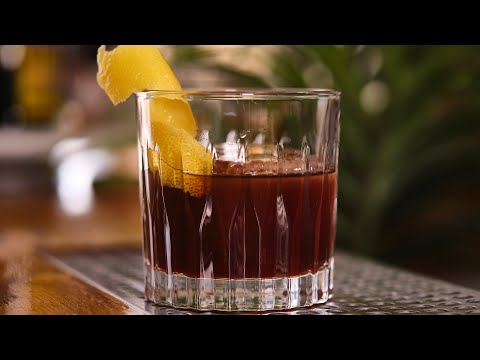
This Fig Cardamom Gin Old Fashioned is a spirit-forward cocktail made with fig-infused gin, a little simple syrup, and aromatic cardamom bitters. It keeps the familiar Old Fashioned balance of liquor, sweetness, and bitters, while ripe fig and orange peel make the aroma feel especially suited to a cool evening or a small celebration.
The key is restraint: fig brings its own sweetness, so start with just a teaspoon of syrup, then stir the drink with plenty of ice until it is cold and lightly diluted. Expect a smooth gin base, mellow fruit, and a warm, fragrant cardamom finish—not a sugary or jammy drink.
Why This Recipe Works
An Old Fashioned is simple enough that each ingredient has a clear job. The gin provides the backbone, the syrup rounds its sharper edges, and bitters add aromatic depth. Fig-infused gin lets the fruit flavor blend into the drink rather than sitting on top as a thick purée. That keeps the cocktail clear, easy to stir, and balanced with the botanical notes already present in gin.
Cardamom bitters suit the fruit because their warm, fragrant character adds complexity without requiring a large pour of spice or extra sweetness. Two dashes are a good starting point for one drink. Since bitters vary in strength, you can taste and add another dash if you want the cardamom to come forward more.
Stirring with ice is also important. It chills the drink and adds a measured amount of water, softening the alcohol and helping the flavors open up. A large cube in the serving glass melts more slowly than a handful of small cubes, so the drink stays colder with less rapid dilution. Expressed orange peel adds a fresh citrus aroma at the last moment, balancing the ripe, rounded fig notes.
Ingredients
- 2 oz (60 ml) fig-infused gin, purchased or homemade
- 1 tsp (5 ml) simple syrup, plus up to 1 tsp more to taste
- 2 dashes cardamom bitters
- 1 cup (about 240 ml) ice cubes for stirring
- 1 large ice cube, about 2 in (5 cm), for serving
- 1 medium fresh fig, about 1 oz (28 g), for garnish
- 1 strip orange peel, about 2 in (5 cm) long, for garnish
- For homemade simple syrup: 1/2 cup (100 g) granulated sugar and 1/2 cup (120 ml) water
- For optional homemade fig-infused gin: 1 cup (240 ml) gin and 4 medium fresh figs, about 6 oz (170 g)
Ingredient Notes
Fig-infused gin: A purchased fig-infused gin is the quickest choice. For a homemade infusion, use a gin you already enjoy; its botanical character will still show through the fruit. Fresh ripe figs give a gentle, rounded flavor, while very soft or damaged fruit can make the infusion cloudy or overly pulpy. If figs are out of season, use a good-quality purchased infusion rather than substituting fig jam, which adds a lot of sugar and will not dissolve cleanly.
Simple syrup: Equal parts sugar and water make a convenient 1:1 syrup that mixes smoothly into a cold drink. White granulated sugar keeps the fig and cardamom flavors clear. You can use superfine sugar, which dissolves quickly, or a ready-made plain simple syrup. A darker sugar such as demerara can work, but its molasses-like flavor will make the cocktail richer and less delicate.
Cardamom bitters: These provide the distinctive warm spice. If you cannot find them, use aromatic bitters, then add a small pinch of ground cardamom only if needed; ground spice can leave sediment, so use very little. Orange bitters are another reasonable substitute, though they shift the drink toward citrus and away from cardamom.
Fresh fig: The garnish is optional, but a ripe fig gives the drink an inviting finish and a small bite alongside the cocktail. Look for fruit that yields gently to a light touch without being split or leaking. If fresh figs are unavailable, omit the fruit garnish rather than using an unripe fig; the orange peel still gives the glass a fresh aroma.
Orange peel and ice: Use a clean strip of peel with as little white pith as practical, since pith can taste bitter. A large serving cube is helpful, but not essential: use the largest cubes you have. For stirring, ordinary cubes are preferable to a single large cube because they chill the drink efficiently.
Instructions
- Make the fig-infused gin if needed. Rinse and dry 4 figs, remove the stems, and cut the fruit into quarters. Put the figs and 1 cup gin in a clean, sealable jar, making sure the fruit is submerged. Close the jar and refrigerate at 40°F (4°C) or below for 3 to 5 days, gently turning it once a day. Begin tasting after the second day: the gin should smell fruity and taste clearly of fig without becoming overly soft or winey. Strain through a fine-mesh strainer, then discard the fruit. If you have purchased fig-infused gin, skip this step.
- Make and cool the simple syrup. Combine 1/2 cup sugar and 1/2 cup water in a small saucepan. Warm over medium-low heat, stirring for about 2 to 3 minutes, until the liquid is clear and no sugar crystals remain; do not let it boil hard or reduce. The syrup is ready when a spoonful looks clear rather than grainy. Remove it from the heat and cool to room temperature, about 20 to 30 minutes. You can speed cooling by pouring it into a clean, heat-safe container. Measure 1 teaspoon for the cocktail.
- Chill the serving glass. Put a rocks glass in the freezer for 5 to 10 minutes, or fill it with ice and cold water while you make the drink. The glass should feel cold to the touch. Chilling helps the finished cocktail stay cool longer; if you used water and ice, empty and dry the glass before serving.
- Combine the gin, syrup, and bitters. Add 2 oz fig-infused gin, 1 teaspoon simple syrup, and 2 dashes cardamom bitters to a mixing glass or sturdy tumbler. The mixture should smell fragrant but not strongly sugary. Starting with a modest amount of syrup keeps the gin and bitters in balance; you can adjust it after stirring.
- Stir with ice. Add 1 cup ice cubes and stir smoothly for about 20 to 30 seconds. The outside of the mixing glass should become very cold, and the drink should look slightly less viscous than the unstirred gin. Taste a small sip: it should be cold, rounded, and gently diluted, with the fruit still noticeable. If it tastes hot or sharp, stir for another 5 to 10 seconds; if it tastes too sweet, add a little more gin before serving.
- Strain and garnish. Place one large ice cube in the chilled rocks glass and strain the cocktail over it. Cut a fresh fig in half or make a small slit so it can rest on the rim or a cocktail pick. Hold the orange peel over the drink with its colored side facing down, bend it gently to release the fragrant oils over the surface, then rub the peel around the rim and add it to the glass. The finished drink should smell of orange before you take a sip.
Serves: 1; prep time: 5 minutes; cook time: 3 minutes for syrup; total time: about 8 minutes, not including optional 3-to-5-day gin infusion or syrup cooling.
Tips for Success
- Measure the syrup. A teaspoon is enough to round out this drink without masking the gin. Add more only after tasting; different fig gins vary in sweetness and intensity.
- Use cold ingredients. Keep the gin and bitters in a cool place and chill the glass if you can. Starting cold means the cocktail needs less time on the stirring ice to reach a pleasant balance.
- Stir, do not shake. Stirring chills and dilutes a spirit-only drink while keeping it clear. Shaking adds more aeration and can make the texture less smooth.
- Give the orange peel a proper expression. The aromatic oils are on the colored surface. A light bend over the glass releases them; squeezing the peel into the drink or dropping it in without expressing it gives less aroma.
- Keep the infusion clean. Wash and dry the figs and use a clean jar. Straining well removes fruit particles that can cloud the gin or continue changing its flavor.
- Choose a ripe garnish, not an overripe one. A fig that is soft but intact looks neat and is easier to handle. If it is split or weeping, leave it out of the glass.
Troubleshooting
The cocktail tastes too sweet. Add 1/4 oz (7 ml) gin and stir briefly, or reduce the syrup to 1/2 teaspoon next time. Also check whether the fig-infused gin you used is sweetened; some commercial flavored spirits have added sugar.
The drink tastes too strong or sharp. Stir it for another 5 to 10 seconds with fresh ice. The added dilution can soften the alcohol edge. If it still needs rounding, add syrup in 1/4-teaspoon increments rather than pouring in a larger amount at once.
The fig flavor is faint. Try a more flavorful infusion or let a homemade batch steep another day in the refrigerator, tasting as it goes. Do not try to compensate with a large quantity of syrup; sweetness does not create a stronger fruit aroma.
The cocktail is watery. Use fresh, hard ice and stir only until well chilled. Small, wet cubes melt quickly, especially in a warm mixing glass. A large, solid cube in the serving glass also slows further dilution.
The infusion looks cloudy or has sediment. Pour it through a fine-mesh strainer, or line the strainer with a clean coffee filter and let it drain without squeezing the fruit. A little cloudiness can come from fruit particles; if the infusion has an unusual odor, visible mold, or has not been kept refrigerated, discard it.
Variations
Make it drier: Use 1/2 teaspoon syrup and keep the bitters at two dashes. This lets the gin’s botanicals and the fruit infusion lead.
Make it more cardamom-forward: Add one extra dash of cardamom bitters, taste, and stop there if the spice is clear. Bitters can become dominant quickly, so increase them in small steps.
Use aromatic bitters: If cardamom bitters are unavailable, use two dashes of aromatic bitters. The drink will be warmer and more traditionally spiced, though it will have less of the distinct cardamom aroma.
Try a lemon twist: A narrow lemon peel gives a sharper citrus lift than orange. Express it over the drink just as you would the orange peel; do not add lemon juice unless you want to move away from the spirit-forward Old Fashioned style.
Make a small batch: For four drinks, combine 8 oz (240 ml) fig gin, 4 tsp (20 ml) syrup, and 8 dashes bitters in a covered container and refrigerate. Stir each serving with ice individually and garnish just before serving. This preserves the chill and lets each drink receive the right amount of dilution.
What to Serve With It
This cocktail pairs well with small savory bites that do not overwhelm its fruit and spice. Try a few slices of aged cheese, such as cheddar or Manchego, with plain crackers; the salt and richness work well beside a spirit-forward drink. Salted nuts, olives, or crisp crostini with a mild cheese are other easy choices.
For a fuller spread, serve it before a meal with roasted vegetables, a simple cheese board, or a roast chicken dinner. Keep intensely sweet desserts and very spicy snacks modest: either can make the cocktail seem less balanced. If you are serving dessert, plain shortbread or a lightly sweet nut tart is a gentler match than a heavily frosted cake.
Make-Ahead, Storage and Reheating
Simple syrup: Cool it promptly, transfer it to a clean, sealed container, and refrigerate at 40°F (4°C) or below. Use within about 1 week for best quality, and discard it if it develops an off smell, visible mold, or unexpected bubbling. Make a smaller quantity if you only need one or two drinks. There is no need to freeze syrup.
Fig-infused gin: Keep the fruit infusion refrigerated while it steeps. Once strained, store the gin in a clean, sealed bottle in the refrigerator and use it while its flavor remains fresh. Do not leave fresh figs sitting in the bottle indefinitely; strain them out after the infusion reaches the flavor you like. Discard the infusion if you see mold or notice an off odor.
Mixed cocktails: This drink is best stirred to order because dilution and the texture of the ice are part of the finished cocktail. If you must make it ahead, mix the gin, syrup, and bitters without ice or garnish, cover, and refrigerate; stir the measured portion with ice just before serving. Keep refrigerated at 40°F (4°C) or below, and use within 3 to 4 days as a conservative leftover window. Add the fresh fig and orange peel only when serving. Do not reheat this cocktail. Freezing is not recommended for the finished drink because it can become too cold and lose the intended balance; if a stored component has been frozen, thaw it in the refrigerator.
Frequently Asked Questions
Can I make this without homemade fig-infused gin?
Yes. Purchased fig-infused gin works directly in the recipe. If you cannot find it, use a gin you like and make the optional refrigerator infusion with fresh figs, or choose another gin and accept a less pronounced fig flavor.
How long should I infuse the gin?
Start tasting after 2 days and expect a useful fig flavor in about 3 to 5 days, depending on how ripe and flavorful the fruit is. Keep the jar refrigerated and strain the fruit once the gin tastes fruity but still clean and botanical.
Can I use dried figs?
Fresh figs are the specified garnish and make the cleanest infusion for this recipe. Dried figs are concentrated and can give the gin a darker, sweeter, more raisin-like note. If you experiment, use a small amount and taste regularly; the result will not be identical.
What if I only have regular bitters?
Use aromatic bitters in the same amount as a practical substitute. Orange bitters also work, though they make the drink more citrus-led. If adding ground cardamom, use a tiny pinch because it does not dissolve and may leave grit.
Do I need a cocktail mixing glass?
No. A sturdy pint glass or other tall, stable glass works. Use a long spoon and stir carefully so the ice circulates without spilling. Strain through a cocktail strainer or a small kitchen strainer.
Can I make the drink sweeter after it is stirred?
Yes. Add simple syrup a small amount at a time, stir briefly, and taste again. Adding it gradually avoids masking the fig and cardamom or making the cocktail syrupy.
Can I make this cocktail without bitters?
You can, but it will taste flatter and less aromatic. If you do not have bitters, use a smaller amount of syrup and express the orange peel generously; those changes add some balance and aroma, though they do not fully replace bitters.
Can I serve it without a large ice cube?
Yes. Use the largest ice cubes available, or serve it over several regular cubes. The drink will still work; smaller cubes simply melt faster, so it is best enjoyed soon after pouring.