
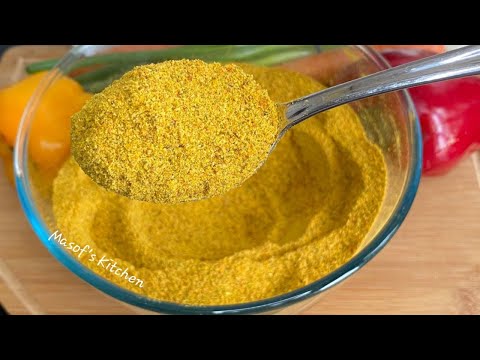
This homemade chicken seasoning mix combines garlic, onion, paprika, thyme, oregano, salt, and pepper in a savory, versatile blend. Make a batch in minutes, then use it to season chicken for the oven, grill, skillet, or air fryer.
The balance is simple: garlic and onion give the mix a full savory base, herbs add an earthy note, and paprika brings gentle warmth and color. Cayenne is optional, so you can keep the blend mild or give it a little kick. Below, you’ll also find an easy way to use it on oven-baked chicken thighs today.
Why This Recipe Works
The spices are measured in a ratio that keeps any one flavor from taking over. Garlic and onion make up the biggest share, while thyme and oregano add herbal character without turning the mix into an Italian-style herb blend. Paprika rounds everything out; cayenne can be left out without changing the rest of the recipe.
Mixing the seasonings thoroughly before they touch the chicken helps distribute salt and heat evenly. That matters because a spoonful taken from the top of an unmixed jar could otherwise contain more of one spice than another. Applying the blend to lightly oiled chicken helps it cling, and a short rest before baking gives the salt time to dissolve on the surface.
The seasoning is also easy to adjust by use. Start with about 1 tablespoon of mix per pound of chicken, then add a little more next time if you prefer a more assertive coating. Because the blend already contains salt, taste the cooked chicken before adding extra at the table.
Ingredients
- 2 tablespoons garlic powder
- 2 tablespoons onion powder
- 2 tablespoons paprika
- 1 tablespoon dried thyme
- 1 tablespoon dried oregano
- 1 tablespoon fine salt
- 1 teaspoon ground black pepper
- 1 teaspoon cayenne pepper, optional for heat
Ingredient Notes
Garlic powder: Gives the blend a rounded savory flavor and disperses more evenly than fresh garlic in a dry rub. Use garlic powder, not garlic salt, which would add extra salt. Granulated garlic works too, though its texture is coarser.
Onion powder: Adds mellow sweetness and depth. Onion granules are a suitable substitute. If the powder has clumped, break it up before measuring so the blend stays even.
Paprika: Regular sweet paprika provides color and a mild, warm flavor. Smoked paprika gives the chicken a noticeable smoky note; use it for some or all of the paprika if that is what you enjoy. Hot paprika will make the blend spicier.
Dried thyme and oregano: These herbs give the mix its earthy, savory edge. Rub them between your fingers before adding to release their aroma and break up large flakes. If you only have one of the two, use more of that herb to replace the other, knowing the flavor will shift.
Salt: Fine salt mixes evenly and is straightforward to measure. Kosher salt can be used, but brands vary in crystal size, so a tablespoon may contain a different amount of salt. For a first batch, fine salt makes the seasoning level more predictable.
Black pepper: Ground black pepper adds a mild bite. Freshly ground pepper is fine, though a coarse grind will make the mix less uniform.
Cayenne: This is the heat control. Leave it out for a mild blend or use less than 1 teaspoon for a gentle warmth. Red pepper flakes are not a direct texture match, but a small amount can add a similar kind of heat.
Instructions
- Measure the spices. Add the garlic powder, onion powder, paprika, thyme, oregano, salt, black pepper, and optional cayenne to a small bowl. Break up any visible clumps; the mixture should look loose rather than packed. Measuring first helps prevent one spice from dominating the finished blend.
- Whisk until uniform. Stir or whisk for about 30 seconds, scraping the bottom and sides of the bowl. Look for an even color with no concentrated streaks of paprika or herbs. Thorough mixing means each spoonful seasons the chicken in the same way.
- Season the chicken. For the serving suggestion below, pat 2 pounds of chicken thighs dry with paper towels. Toss with 1 tablespoon neutral oil and 2 tablespoons of the seasoning mix, coating all sides. The surface should have a light, even layer of spices, not a wet paste. Let it stand for 10 to 15 minutes while the oven heats; this gives the salt time to dissolve on the surface.
- Heat the oven and prepare the pan. Set the oven to 425°F. Arrange the chicken skin-side up, if using skin-on thighs, on a rimmed baking sheet or in a baking dish with a little space between pieces. The oven should be fully heated before the pan goes in, which helps the chicken roast rather than warm slowly.
- Bake until safely cooked. Roast bone-in thighs for about 35 to 45 minutes, checking the thickest part with an instant-read thermometer and avoiding contact with the bone. Chicken is safe when it reaches 165°F. The skin should look browned and the juices should run clear, but use temperature—not color or time alone—to judge doneness. Smaller or boneless pieces will cook faster.
- Rest and serve. Move the chicken to a clean plate and let it rest for about 5 minutes before serving. The juices may settle during the rest, and the surface will be less likely to lose them when cut. Discard any raw-chicken marinade or seasoning mixture that has touched uncooked poultry.
Tips for Success
- Keep the measuring spoon dry. Even a little moisture can make powders clump in the jar. Measure over a bowl, not directly over a steaming pot.
- Use a dry bowl and jar. Moisture is the main thing to avoid when storing a homemade spice mix. A clean, completely dry container helps keep it loose and easy to scoop.
- Season by weight when possible. About 1 tablespoon of mix per pound of chicken is a useful starting point. For a thick cut or a large piece with lots of surface area, adjust gradually rather than coating it heavily all at once.
- Dry the chicken before seasoning. Patting the surface dry helps oil and spices adhere. Wet chicken tends to steam on the pan before it browns.
- Leave space between pieces. Crowding traps steam and can prevent browning. Use a second pan if the chicken pieces are touching all around.
- Check the temperature in the right place. Insert the thermometer into the thickest part of the meat without touching bone. If the pieces vary in size, check more than one.
- Label the jar. Write the blend name and date on the container so you know what it is and can use it while the dried herbs and spices are still aromatic.
Troubleshooting
The chicken tastes too salty: Use less mix next time, especially if your salt is very fine or the chicken was already brined or salted. For the current batch, serve it with unsalted rice, potatoes, or vegetables, and avoid adding salt to those sides.
The seasoning tastes flat: Old spices lose aroma over time. Smell the individual powders before mixing; they should have a clear, recognizable aroma. You can also add a little more freshly mixed seasoning to the next batch, but do not sprinkle dry seasoning onto cooked chicken and expect it to taste fully integrated.
The chicken is browned outside but underdone inside: Lower the oven temperature to 375°F and continue roasting until the thickest part reaches 165°F. Cover loosely with foil if the surface is getting too dark. Piece size and bone-in versus boneless cuts affect cooking time, so rely on the thermometer.
The spices are clumping in storage: The jar or spoon may have been damp, or the container may be near steam. Break up small clumps with a clean, dry spoon. If the mix is damp or has an unusual smell, discard it and make a fresh batch.
The chicken is not browning: Make sure the oven is fully preheated, the chicken is patted dry, and the pieces have room around them. A crowded pan or excess surface moisture encourages steaming. For skin-on pieces, keep the skin facing up and avoid pouring liquid over it.
Variations
- Mild blend: Omit the cayenne. The garlic, herbs, and paprika still make a complete seasoning.
- Smoky blend: Replace some or all of the regular paprika with smoked paprika. Its flavor is pronounced, so begin with half-and-half if you are unsure.
- Lemon-herb direction: Add finely grated lemon zest to the chicken just before cooking rather than to the stored mix. Fresh zest adds brightness but introduces moisture, so it is best used at serving time.
- More herb-forward: Add 1 teaspoon dried rosemary, crushed between your fingers. Rosemary is potent, so start small.
- Lower-salt blend: Reduce the salt to 1 teaspoon for the whole batch. The mix will taste less salty, and you can salt the chicken separately to suit your needs.
- Extra heat: Increase the cayenne in small increments. Stir well and label the jar so the heat level is clear when you use it later.
What to Serve With It
The roasted thighs pair well with simple sides that let the seasoning stand out. Try rice, roasted potatoes, couscous, or warm flatbread to catch the juices. For vegetables, roast broccoli, carrots, green beans, or cauliflower on a separate pan so each has room to brown. A crisp salad with a lemon or vinegar dressing gives the meal a fresh contrast.
For an easy sheet-pan dinner, add sturdy vegetables such as potatoes or carrots to the oven before the chicken, since they may need more time. Add quicker-cooking vegetables later, or cook them on a separate tray and check them independently. Keep raw chicken and ready-to-eat foods separate while prepping.
Make-Ahead, Storage and Reheating
Seasoning mix: Transfer the finished blend to a clean, dry, airtight jar and store it in a cool, dark cupboard. For the best aroma, use it within about 6 months; dried spices can gradually lose flavor. Do not refrigerate the dry mix, where condensation can introduce moisture.
Uncooked seasoned chicken: Keep it covered in the refrigerator and cook it within 1 to 2 days. If you need to keep it longer, freeze it in a freezer-safe package. Chicken pieces can be frozen for up to 9 months for best quality. Thaw in the refrigerator, not on the counter, and cook promptly after thawing.
Cooked chicken: Refrigerate leftovers within 2 hours of cooking, in a covered container, and use within 3 to 4 days. Freeze leftovers if you will not eat them in that time; frozen cooked chicken is best used within 2 to 6 months for quality. Reheat leftovers to 165°F, checking the center with a food thermometer. Reheat only the portion you plan to eat.
Recipe Card
Yield: About ¾ cup seasoning mix, enough for roughly 6 to 8 pounds of chicken when using about 1 tablespoon per pound
Servings: 4 servings of the baked-chicken example
Prep time: 5 minutes for the mix; about 5 minutes to season chicken
Cook time: 35 to 45 minutes for bone-in chicken thighs
Total time: About 50 to 65 minutes, including the short seasoning rest
Ingredients
- 2 tablespoons garlic powder
- 2 tablespoons onion powder
- 2 tablespoons paprika
- 1 tablespoon dried thyme
- 1 tablespoon dried oregano
- 1 tablespoon fine salt
- 1 teaspoon ground black pepper
- 1 teaspoon cayenne pepper, optional
- 2 pounds bone-in chicken thighs, for the serving suggestion
- 1 tablespoon neutral oil, for the chicken
Condensed Steps
- Whisk all the dry spices in a bowl until the color and texture are even. Store unused mix in a dry, airtight jar.
- Heat the oven to 425°F. Pat 2 pounds of chicken thighs dry, then coat with 1 tablespoon oil and 2 tablespoons seasoning mix. Rest for 10 to 15 minutes.
- Arrange the thighs with space between them and roast for 35 to 45 minutes. Check the thickest part, away from the bone; cook until it reaches 165°F.
- Rest the chicken for about 5 minutes before serving. Refrigerate leftovers within 2 hours.
Frequently Asked Questions
How much seasoning mix should I use per pound of chicken?
Start with about 1 tablespoon per pound. Coat the chicken evenly, then adjust the amount in a future batch to suit your taste. Use a lighter hand if the chicken is already salted, brined, or injected with a seasoned solution.
Can I make this chicken seasoning without cayenne?
Yes. Cayenne is optional and only adds heat; leaving it out will not affect the blend’s other ingredients. You can also start with half the amount and add more the next time if you want a warmer finish.
Can I use fresh garlic or fresh herbs in the mix?
Keep the stored blend dry and use dried garlic and herbs as listed. Fresh ingredients add moisture and are not suitable for a shelf-stable spice jar. If you want fresh flavor, add fresh garlic or herbs directly to the chicken shortly before cooking.
Can I use this mix on more than chicken?
Yes. It works as a dry seasoning for turkey, roasted vegetables, potatoes, and beans. Since the blend contains salt, start with a small amount and taste the food after cooking before adding more.
Can I use boneless chicken breasts instead of thighs?
Yes. Use the same seasoning approach, but expect boneless breasts to cook faster than bone-in thighs. Bake at 425°F and begin checking early; remove them when the thickest part reaches 165°F. A thermometer is more reliable than a fixed time because breast size and thickness vary.
Can I prepare the chicken with the seasoning ahead of time?
You can coat the chicken and keep it covered in the refrigerator for up to 1 to 2 days before cooking. For longer storage, freeze it. Keep raw poultry separate from ready-to-eat foods and wash hands, utensils, and surfaces after they contact it.
How do I keep the seasoning mix from getting stale?
Store it tightly covered in a cool, dark, dry cupboard, away from the stove and sink. Use a dry spoon each time and make a smaller batch if you do not use seasoning blends often. Its aroma is a useful quality cue: if it smells faint, the flavor in cooked food will also be muted.
Do I need to add salt to the chicken separately?
Usually not at first, because the mix already contains salt. Cook the chicken, taste it, and decide whether it needs more at the table. If you are using a low-salt version of the blend or unsalted sides, season the chicken separately to your preference.