
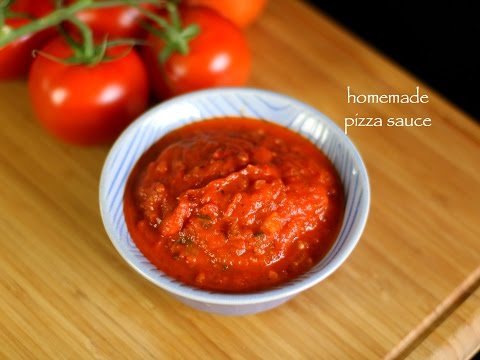
There’s a quiet magic in a pizza sauce that’s made from scratch—it’s the difference between a good pizza and one that tastes like it came from a beloved neighborhood pizzeria. This is that sauce: a quick, stovetop version that comes together in about 20 minutes, using just one can of tomatoes and a handful of pantry staples. It’s not a slow-simmered Sunday sauce; it’s a bright, honest, and deeply flavorful sauce that respects the tomatoes and lets their natural sweetness shine.
What makes this version work so well is the technique of blooming the dried herbs in hot olive oil before the tomatoes go in. This simple step wakes up the oregano and basil, releasing their essential oils and making them taste far more vibrant than if you just stirred them into the pot. The result is a sauce that’s simultaneously rustic and refined—tangy from the tomatoes, subtly sweet (if you add the sugar), with a gentle warmth from the red pepper flakes and a savory backbone from the garlic. It’s the kind of sauce that makes you want to lick the spoon, and it will absolutely elevate your homemade pizza night.
Why This Recipe Works
The success of this sauce hinges on a few key techniques that are easy to execute but make a big difference. First, the garlic and herbs are gently sautéed in olive oil—this is called “blooming.” The fat in the oil carries the fat-soluble flavor compounds in the dried herbs and garlic, intensifying their aroma and distributing them evenly throughout the sauce. If you added them directly to the tomatoes, they’d taste flat and raw.
Second, we use whole peeled tomatoes that we crush by hand. This gives you control over the final texture—you can leave it slightly chunky or crush it very fine. Whole peeled tomatoes are typically packed at the peak of ripeness and have a cleaner, more tomato-forward flavor than many pre-crushed varieties, which can sometimes contain a firming agent (calcium chloride) that makes them less tender. Hand-crushing also releases the juices without turning the sauce into a watery puree.
Finally, the sauce is simmered just long enough to meld the flavors and thicken slightly—about 15 to 20 minutes. This is not a long reduction; it’s a quick cooking that concentrates the tomato’s natural sugars and lets the herbs infuse. The result is a sauce that’s thick enough to sit on a pizza without making the crust soggy, but still fresh and lively, not heavy or overcooked.
Ingredients
- 1 can (28 ounces) whole peeled tomatoes or crushed tomatoes
- 2 tablespoons olive oil
- 2 cloves garlic, minced
- 1 teaspoon sugar (optional, to balance acidity)
- 1 teaspoon dried oregano
- 1 teaspoon dried basil
- 1/2 teaspoon salt
- 1/4 teaspoon black pepper
- 1/4 teaspoon red pepper flakes (optional, for a spicy kick)
Ingredient Notes
Whole peeled tomatoes: These are the gold standard for pizza sauce. Look for San Marzano tomatoes if you can find them—they’re sweeter and less acidic, with a firmer flesh that makes a thick sauce. If you use crushed tomatoes, the sauce will be slightly smoother and a bit more watery, so you may need to simmer it a few extra minutes. Avoid diced tomatoes, as they contain calcium chloride, which prevents them from breaking down into a cohesive sauce.
Olive oil: Use a good-quality extra virgin olive oil, but not your most precious finishing oil. The flavor will mellow during cooking, but a fruity, peppery oil adds a subtle depth. If you only have regular olive oil, that’s fine too.
Garlic: Fresh garlic is essential here. Pre-minced garlic in a jar has a milder, slightly sour flavor that won’t give you the same punch. Mince it finely so it melts into the oil without burning.
Dried oregano and basil: These are the classic pizza herbs. Dried herbs are more concentrated than fresh, so don’t substitute fresh in the same quantity—you’d need about three times as much fresh, and you’d add them at the end of cooking rather than blooming them in the oil.
Sugar: This is optional, but a tiny pinch of sugar rounds out the acidity of the tomatoes, especially if you’re using a brand that’s particularly tart. Taste the sauce before adding it; you might not need it at all.
Red pepper flakes: These add a gentle warmth, not a fiery heat. If you’re sensitive to spice, start with a pinch and taste as you go. You can always add more, but you can’t take it out.
Instructions
- Prep the tomatoes (if using whole): Open the can of whole peeled tomatoes. Pour the contents into a medium bowl. Using your hands (or a potato masher), crush the tomatoes by squeezing them through your fingers until you reach your desired texture. I like to leave some small chunks for a rustic sauce. If you’re using crushed tomatoes, skip this step.
- Bloom the aromatics: Place a medium saucepan over medium heat and add the olive oil. Once the oil is shimmering (but not smoking), add the minced garlic, dried oregano, dried basil, and red pepper flakes (if using). Stir constantly for about 30 to 45 seconds, until the garlic is fragrant and just starting to turn golden—do not let it brown, as burnt garlic tastes bitter. The herbs will sizzle and release their aroma.
- Add the tomatoes: Pour the crushed tomatoes (or the hand-crushed whole tomatoes with their juices) into the pot. Stir to combine everything. The sauce will look a bit watery at this point—that’s fine.
- Season: Add the salt and black pepper. If you’re using the sugar, add it now. Stir well.
- Simmer: Bring the sauce to a gentle simmer—you should see small bubbles breaking the surface, but not a rolling boil. Reduce the heat to low and let it cook uncovered for 15 to 20 minutes, stirring occasionally. The sauce will thicken as the water evaporates. After 15 minutes, check the consistency: it should coat the back of a spoon and not be watery. If it’s still thin, let it simmer for another 5 minutes. If it’s too thick, add a tablespoon of water.
- Taste and adjust: Turn off the heat. Taste the sauce with a clean spoon. Does it need more salt? A pinch of sugar? More red pepper flakes for heat? Adjust seasonings to your palate. Remember that the sauce will be spread on a pizza with cheese and toppings, so it should be slightly more assertive in flavor than you might want to eat straight from the spoon.
- Cool and use: Let the sauce cool slightly before spreading it on your pizza dough. It’s best to use it warm or at room temperature—hot sauce can make the dough soggy. If you’re not using it immediately, let it cool completely before storing.
Servings: Makes about 2 cups (enough for 3-4 medium pizzas) | Prep time: 10 minutes | Cook time: 20 minutes | Total time: 30 minutes
Tips for Success
- Don’t skip the blooming step: This is the single most important technique in this recipe. The 30 seconds you spend sautéing the garlic and herbs in oil will make your sauce taste like it’s been simmering for hours.
- Use a heavy-bottomed pot: A stainless steel or enameled cast-iron pot distributes heat evenly and prevents the sauce from scorching on the bottom. If you use a thin pot, stir more frequently.
- Keep the heat low: A gentle simmer is what you want. A rolling boil will make the sauce reduce too quickly and can give it a slightly cooked, flat flavor.
- Taste as you go: The acidity of canned tomatoes varies by brand. Always taste the sauce before you add sugar or extra salt, and adjust at the end. Your palate is the final judge.
- Don’t over-reduce: The sauce will continue to thicken as it sits. Aim for a consistency that’s a bit looser than you think you want—it will cling to the pizza crust perfectly without being pasty.
- Use a light hand on the pizza: Spread a thin layer of sauce—about 1/4 to 1/3 cup for a 12-inch pizza. Too much sauce will make the crust soggy and overwhelm the other toppings.
- Let the sauce cool before topping the pizza: If you spread hot sauce on raw dough, it will start to cook the dough prematurely and can make it dense. Let it cool for 10-15 minutes, or use it at room temperature.
Troubleshooting
- My sauce is too watery: This usually happens if you used crushed tomatoes or if you didn’t simmer long enough. Simply return the pot to low heat and let it simmer uncovered for another 5-10 minutes, stirring occasionally, until it thickens. You can also add a tablespoon of tomato paste and stir it in—it will help thicken and add flavor.
- My sauce tastes bitter: This is almost always caused by burnt garlic. If you let the garlic brown too deeply in the oil, it becomes acrid. Unfortunately, you can’t fix bitterness completely, but you can balance it by adding a teaspoon of sugar and a splash of olive oil. Next time, keep the heat lower and stir constantly.
- My sauce is too acidic: Add a pinch of sugar or a small piece of carrot (about a tablespoon, grated) to the sauce while it simmers. The carrot adds natural sweetness without tasting like carrot. Remove it before serving, or just leave it—it’s fine.
- My sauce is too thick: If it’s become pasty, stir in a tablespoon or two of water or a splash of the tomato can juices (if you have any left). Warm it gently and stir until it loosens up.
- The flavor is flat: This means it needs more salt or a bit more of the herbs. Taste it and add a pinch of salt at a time. Sometimes a tiny splash of red wine vinegar or balsamic vinegar can brighten it up, but use it sparingly.
Variations
- Spicy Arrabbiata Style: Double the red pepper flakes or add 1/4 teaspoon of cayenne pepper along with the other spices. Finish with a drizzle of chili oil before serving.
- Herb Garden: Add 1/2 teaspoon of dried thyme and 1/2 teaspoon of dried marjoram along with the oregano and basil. For a fresh herb finish, stir in a tablespoon of chopped fresh basil and a teaspoon of fresh oregano after the sauce has simmered.
- Roasted Garlic: Instead of sautéing raw garlic, roast a whole head of garlic in the oven at 400°F for 40 minutes until soft, then squeeze the cloves into the sauce after the tomatoes are added. This gives a mellow, sweet, nutty flavor.
- Onion and Fennel: Sauté 1/2 cup of finely diced onion and 1/2 teaspoon of fennel seeds in the olive oil for 5 minutes before adding the garlic. This adds a subtle sweetness and a slight licorice note that pairs beautifully with sausage toppings.
- Smoky: Add 1/2 teaspoon of smoked paprika along with the dried herbs. This gives the sauce a subtle barbecue-like depth that’s great with chicken or bacon.
What to Serve With It
This sauce is made for pizza, but it’s also a fantastic all-purpose tomato sauce. Use it as a dipping sauce for garlic bread or mozzarella sticks, spread it on a calzone or stromboli, or spoon it over baked chicken or meatballs. It’s also excellent as a base for a quick shakshuka—just crack a few eggs into the simmering sauce and cook until the whites are set. For a simple weeknight dinner, toss it with cooked pasta and a handful of grated Parmesan. It’s a versatile sauce that deserves a spot in your regular rotation.
Make-Ahead, Storage and Reheating
This sauce is a fantastic make-ahead component. It actually tastes even better the next day, as the flavors have time to meld.
Refrigerator: Store the cooled sauce in an airtight container in the refrigerator for up to 5 days. The acid from the tomatoes helps preserve it, but always check for any off-smells before using.
Freezer: This sauce freezes beautifully. Let it cool completely, then transfer it to freezer-safe containers or zip-top bags (lay them flat to save space). It will keep for up to 3 months in the freezer. Thaw overnight in the refrigerator before using.
Reheating: To reheat, place the sauce in a small saucepan over low heat, stirring occasionally, until warmed through. If it’s too thick after reheating, add a splash of water or olive oil. You can also reheat individual portions in the microwave in 30-second bursts, stirring in between. Never reheat more than once—discard any leftover sauce that has been reheated and not used.
Frequently Asked Questions
Can I use fresh tomatoes instead of canned? Yes, but you’ll need about 2 pounds of ripe Roma or San Marzano tomatoes. Blanch them in boiling water for 30 seconds, then peel, seed, and chop them. You’ll need to simmer the sauce longer (about 30-40 minutes) to cook off the excess water, and the flavor will be more delicate. Canned tomatoes are actually a better choice for pizza sauce because they’re picked at peak ripeness and have a more concentrated flavor.
Do I really need to add sugar? No, it’s entirely optional. Canned tomatoes vary in acidity. If you taste the sauce and it’s too tart for your liking, add the sugar. If it tastes balanced, skip it. You can also use a pinch of baking soda to neutralize acidity, but be careful—it can make the sauce taste slightly soapy if you add too much.
Can I make this sauce in a slow cooker or Instant Pot? You can, but it’s not necessary. This sauce cooks in just 20 minutes on the stovetop, so a slow cooker would only make it take longer. If you use an Instant Pot, sauté the garlic and herbs on the sauté function, then add the tomatoes and cook on low pressure for 10 minutes with a quick release. The result will be slightly more concentrated but similar.
Why does my sauce separate or look oily? A little bit of oil separating on the surface is normal, especially if you use a good olive oil. Just stir it back in. If the sauce looks broken, it might be because you used a very high heat that caused the water to evaporate too quickly. Next time, keep the heat low and stir more often.
Can I use this sauce for pasta? Absolutely. It’s a bit thicker than a traditional pasta sauce, so you might want to add a splash of pasta water to loosen it up when you toss it with noodles. It’s particularly good with short shapes like penne or rigatoni.
How much sauce should I put on a pizza? For a 12-inch pizza, use about 1/4 to 1/3 cup. Spread it in a thin, even layer, leaving a 1-inch border for the crust. You want the sauce to be a supporting player, not the main event. Too much sauce will make the pizza soggy and overpower the cheese.
Can I double this recipe? Yes, it scales perfectly. Just use a larger pot and increase the simmering time by 5-10 minutes to account for the larger volume. You can freeze the extra for future pizza nights.
Is it okay to use garlic powder instead of fresh garlic? You can, but the flavor won’t be as bright. If you use garlic powder, add it with the dried herbs and use about 1/2 teaspoon. Fresh garlic is strongly recommended for the best flavor.