
Homemade powdered chicken seasoning is a dry blend of salt, pepper, garlic, onion, paprika, herbs, and optional warming spices. Stir together a small jar in minutes, then sprinkle it over chicken before roasting, grilling, or pan-cooking.
This version balances savory garlic and onion with gentle paprika, black pepper, and a measured mix of dried herbs. It tastes rounded and aromatic rather than sharply salty or dominated by one spice; cumin, chili powder, and cayenne are easy to adjust to your preference.
Why This Recipe Works
Each ingredient is dry, so the blend mixes evenly and stores neatly without clumping when handled with a dry spoon. Fine salt distributes more consistently than coarse crystals in a spoon-measured seasoning, while garlic and onion powders add savory depth without needing fresh ingredients.
The herbs are kept in modest amounts so they complement the chicken instead of covering it. Rosemary is especially potent, so this recipe uses less of it than thyme or parsley. Paprika provides a warm, mild backbone; choosing smoked or hot paprika changes the character without changing the method.
Making a blend gives you control over how much seasoning goes on each piece. Start with a light, even coating, then adjust the next batch to suit the cut of chicken and your taste. The blend can season chicken on its own or be stirred into oil, butter, or yogurt just before cooking.
Ingredients
- 2 tbsp fine salt or table salt
- 2 tsp ground black pepper
- 2 tbsp garlic powder
- 2 tbsp onion powder
- 2 tbsp sweet paprika
- 1 tsp dried thyme
- 1 tsp dried oregano
- 1/2 tsp dried rosemary, crushed between your fingers
- 1 tsp dried parsley
- 1 tsp ground cumin
- 1 tsp chili powder
- 1/8 tsp cayenne pepper, optional
Ingredient Notes
Salt: Fine salt or table salt blends and measures reliably here. Kosher salt can be used, but crystal sizes and saltiness by volume vary among brands; begin with a little less, taste a pinch of the finished blend, and add more if needed. The mix is designed to season food, not to be eaten by the spoonful.
Pepper, garlic, and onion: Ground black pepper gives gentle heat. Garlic powder and onion powder bring savory flavor and a hint of sweetness without adding moisture. Use garlic powder, not garlic salt, so you can control the salt separately. If you only have granulated garlic or onion, those work, though their coarser texture may make the blend less uniform.
Paprika: Sweet paprika keeps the blend mild and flexible. Smoked paprika adds a pronounced smoky note, while hot paprika adds heat. Use one type or replace only part of the sweet paprika at first, then adjust on a later batch.
Dried herbs: Thyme and oregano are sturdy, savory choices; parsley adds a lighter herbal note. Crush dried rosemary before measuring so its needles are smaller and less likely to leave hard, sharp pieces. If you do not have all four herbs, use an equal total amount of a dried herb blend, or leave out one herb and increase another modestly.
Optional warming spices: Cumin adds earthy warmth, chili powder adds a mild chile flavor, and cayenne brings direct heat. For a gentler blend, omit cayenne or use only half the amount. Chili powder blends differ, so check whether yours already contains salt before adding it.
Instructions
- Gather and check the spices. Set aside about 5 minutes to measure everything into clean, completely dry bowls or directly into a jar. The powders should be loose and dry, with no damp clumps; moisture can make a stored blend cake. No oven or stovetop heat is needed for this recipe.
- Measure the larger ingredients first. Add the salt, pepper, garlic powder, onion powder, and paprika to a mixing bowl. Level measuring spoons for consistent proportions. Starting with the larger quantities makes it easier to spot a missed ingredient before the herbs and small amounts go in.
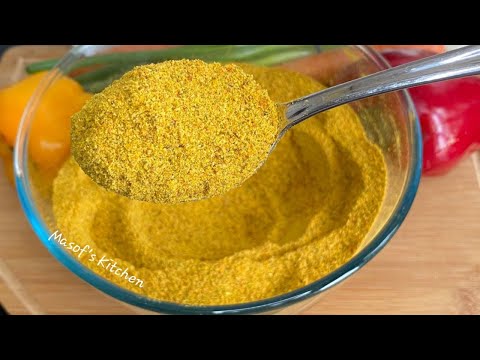
- Add the herbs and optional spices. Stir in the thyme, oregano, crushed rosemary, parsley, cumin, chili powder, and cayenne, if using. Mix for about 30 seconds, scraping the bottom and sides; the finished powder should look evenly colored, with no pale pockets of garlic or salt.
- Break up any lumps and taste carefully. Press small dry clumps against the bowl with the back of a spoon, or sift the blend through a fine-mesh strainer for about 1 minute if you want a finer texture. To taste it, touch a tiny pinch to the tip of your tongue rather than sampling a spoonful. Adjust the next mix with more pepper, paprika, or herbs as desired; add salt sparingly.
- Use it on chicken or pack it away. For an optional meal, pat 1 lb of chicken dry and use about 1 tbsp seasoning, adding a little oil if you like. Roast boneless pieces in a single layer at 425°F for about 20–30 minutes, turning once if the pieces are uneven; start checking early, since thickness changes the timing. Look for browned edges and check the thickest piece with a food thermometer: poultry must reach 165°F. For the blend alone, transfer it to a dry, airtight jar instead; no cooking step is required.
Tips for Success
- Measure salt thoughtfully. If your salt is coarse kosher salt, use less by volume at first because a tablespoon may contain less salt than a tablespoon of fine salt. You can always season chicken a little more at the table.
- Use a dry spoon every time. A wet spoon can introduce moisture and cause the powders to clump. Close the jar promptly after measuring.
- Crush rosemary before mixing. Rubbing it between clean, dry fingers makes the pieces smaller and helps its piney flavor spread through the blend.
- Keep the spice profile in balance. Make small adjustments to cayenne, smoked paprika, or cumin. These flavors can take over if increased too quickly.
- Season evenly. Sprinkle from several inches above the chicken and turn the pieces so both sides get a light, uniform coating. A mound of seasoning in one spot can taste much saltier than the same amount spread over the surface.
- Let the chicken surface dry first. Patting chicken with paper towels helps the seasoning cling and encourages browning. Do not rinse raw chicken; splashing can spread raw juices around the sink and counter.
- Keep raw-chicken handling separate. If you season chicken with a spoon, do not put that spoon back into the jar after it touches raw poultry. Pour a portion into a small bowl instead.
Troubleshooting
The blend tastes too salty on chicken. Use less seasoning per pound next time, or make a larger unsalted portion with the same garlic, onion, paprika, pepper, and herbs to dilute the batch. Check that you used plain garlic powder rather than garlic salt.
The seasoning clumps in the jar. Clumping usually means moisture got in, or one of the powders was already lumpy. Break up dry clumps with a spoon and store the jar somewhere cool and dry. If the mix is damp, smells musty, or has visible mold, discard it rather than trying to dry it out.
The chicken tastes dusty or bitter. Too much powder can form a heavy coating, and spices on a very hot surface can scorch. Use a lighter coating, spread the chicken in one layer, and avoid placing heavily seasoned pieces directly over intense flame. A little oil can help the seasoning adhere.
The blend seems flat. Old spices lose aroma over time. Check that the garlic, paprika, and dried herbs smell distinct when opened; replace spices that smell faint or stale. For the next batch, add a touch more black pepper or paprika rather than immediately increasing the salt.
The herbs feel too coarse. Crush the blend briefly with a mortar and pestle or pulse it in a clean spice grinder. Use short pulses and stop before the mix warms or turns into a paste; the goal is a more even powder, not a fine dust.
Variations
Smoky: Replace 1 tbsp of the sweet paprika with smoked paprika. Its flavor is concentrated, so start with a partial swap before making the whole blend smoky.
Spicy: Increase cayenne from 1/8 tsp to 1/4 tsp, or add a little more chili powder. Make a small test batch if you are unsure how hot your particular chili powder is.
Herb-forward: Increase thyme or parsley by 1/2 tsp. Keep rosemary measured, since it can become resinous and dominant when used generously.
Cumin and chile: For a warmer, earthier profile, increase cumin to 1 1/2 tsp and use hot paprika in place of some sweet paprika. This version is especially good on chicken for tacos or rice bowls.
Lower-salt batch: Reduce the salt to 1 tbsp, then season the chicken to taste before cooking. The rest of the blend stays the same, but the seasoning will not preserve food or make raw chicken safe to store longer.
What to Serve With It
Use the blend on roasted chicken with potatoes, carrots, or other vegetables cooked alongside it. For vegetables, start with a lighter sprinkle and add oil so the spices coat rather than collect in dry patches. It also works well on chicken destined for rice bowls, salads, wraps, or tacos.
Pair seasoned chicken with simple sides that leave room for its garlic, herbs, and paprika: rice, couscous, baked potatoes, steamed green beans, or a crisp salad. If serving with a sauce, taste the sauce before adding salt; the seasoning already brings salt to the meal.
Make-Ahead, Storage and Reheating
Store the dry seasoning in a clean, airtight jar in a cool, dry cupboard away from the stove, sunlight, and steam. It does not need refrigeration or freezing. For best flavor, use it within about 6 months; that is a quality suggestion, not a food-safety cutoff. Dried spices gradually lose aroma, so use your nose and replace the mix when it smells dull. Label the jar with the date and whether you used fine or kosher salt.
Do not put leftover seasoning that has touched raw chicken back into the storage jar. Keep raw chicken refrigerated at 40°F or below and use it within 1–2 days, or freeze it. Thaw frozen chicken in the refrigerator, in cold water with the chicken sealed, or in the microwave—not on the counter. If you mix the powder into oil, butter, or another perishable ingredient, prepare only what you need and refrigerate it promptly.
For cooked chicken, refrigerate leftovers within 2 hours in a covered container and use within 3–4 days; freeze for longer storage. Reheat leftovers to 165°F, checking the center with a food thermometer. The dry seasoning itself is not reheated.
Recipe Card
Yield: About 2/3 cup, enough for several meals
Servings: About 10 portions at 1 tbsp each
Prep time: 5 minutes
Cook time: 0 minutes for the seasoning; optional chicken takes about 20–30 minutes at 425°F
Total time: 5 minutes for the seasoning
Ingredients
- 2 tbsp fine salt or table salt
- 2 tsp ground black pepper
- 2 tbsp garlic powder
- 2 tbsp onion powder
- 2 tbsp sweet paprika
- 1 tsp dried thyme
- 1 tsp dried oregano
- 1/2 tsp dried rosemary, crushed
- 1 tsp dried parsley
- 1 tsp ground cumin
- 1 tsp chili powder
- 1/8 tsp cayenne pepper, optional
Condensed instructions
- Measure all spices into a clean, dry bowl; no heat is needed.
- Stir for about 30 seconds, scraping the bowl until the color and texture look even. Crush or sift any dry lumps.
- Use about 1 tbsp per pound of chicken, adjusting to taste. For boneless chicken pieces, roast in a single layer at 425°F for about 20–30 minutes, checking the thickest piece for 165°F.
- Store unused dry seasoning in an airtight jar in a cool, dry cupboard.
Frequently Asked Questions
How much seasoning should I use per pound of chicken?
Start with about 1 tbsp per pound, spread evenly over the surface. Use a little less if you prefer a mild coating or if your chicken pieces are small, and remember that the blend contains salt.
Can I make this without cayenne?
Yes. Cayenne is optional and contributes heat, not essential flavor balance. Leave it out for a mild blend, or add a small pinch to the chicken at serving time for people who want more heat.
Can I use fresh herbs instead of dried?
For a shelf-stable powdered blend, use dried herbs. Fresh herbs contain moisture and do not mix or store like dry spices. If you want fresh herbs, chop them into a sauce or add them directly to a dish shortly before cooking.
Can I use this as a chicken marinade?
Yes. Stir a portion of the powder into oil, yogurt, or another marinade ingredient, then coat the chicken. Refrigerate chicken while it marinates, and never reuse marinade that has contacted raw chicken unless it is brought to a full boil first.
Can I use it on vegetables or other foods?
Yes. Try it on potatoes, cauliflower, or other vegetables with a little oil. Because the blend contains salt and is designed with chicken in mind, begin with a light sprinkle and adjust after tasting.
Does homemade chicken seasoning need to be refrigerated?
No. A fully dry blend belongs in a sealed jar in a cool, dry cupboard. Refrigeration can expose the powder to condensation when the jar is opened and closed. Refrigerate foods seasoned with it when those foods require refrigeration.
Why does my homemade blend look different from batch to batch?
Paprika shades, herb cut sizes, and salt crystals naturally vary. A quick, thorough stir helps distribute the ingredients. The flavor matters more than an identical appearance; adjust the salt and heat gradually to suit your ingredients.
Can I double the recipe?
Yes. Multiply each ingredient by two and mix in a larger dry bowl. Stir well from the bottom, then transfer to clean, dry jars. Keeping a small jar by the stove and the rest sealed in a cupboard can reduce how often the reserve blend is exposed to steam.