
These skillet hamburgers turn a pound of lean ground beef into four well-seasoned, satisfying patties. The method is straightforward: season gently, shape the meat without packing it tight, and cook to a safe internal temperature.
Because lean beef has less fat to cushion it, careful handling and a hot pan matter. The burgers come out savory and beefy, with crisp browned edges and a tender center when you stop cooking as soon as they reach the right temperature. Add cheese, fresh toppings, and your favorite condiments, then serve them on toasted buns.
Why This Recipe Works
Lean ground beef can make a good burger, but it gives you less room for overcooking than a fattier grind. The key is to shape the meat loosely and cook by temperature rather than relying on color or a fixed time. A thermometer gives you a reliable doneness check without repeatedly cutting into the patties and losing their juices.
Mixing the salt and seasonings into the meat just before shaping distributes flavor without prolonged handling. Kneading or compressing ground beef can make cooked patties dense, so the mixture only needs a few gentle turns. A shallow thumbprint in the center also helps the patties cook more evenly: as the meat tightens, it is less likely to form a high dome.
A preheated skillet encourages browning before the interior dries out. Leave the patties alone while the first side cooks, and resist pressing them with a spatula. Pressing forces out moisture and does not improve browning. Finally, a brief rest after cooking gives the juices a moment to settle before you bite in.
Ingredients
- 1 lb 90% lean ground beef
- 1 tsp fine salt
- 1/2 tsp ground black pepper
- 1 tsp garlic powder
- 1 tsp onion powder
- 1 tsp neutral oil, such as canola or vegetable oil, for the pan
- 4 hamburger buns
- 4 lettuce leaves, optional
- 1 medium tomato, sliced, optional
- 1/4 medium onion, thinly sliced, optional
- 4 slices cheese, optional
- 2 tbsp ketchup, optional
- 2 tbsp yellow or Dijon mustard, optional
- 2 tbsp mayonnaise, optional
Ingredient Notes
Ground beef: The lean grind gives these burgers a clean, beef-forward flavor, but it can dry out if cooked well past the safe temperature. Keep the meat cold until you are ready to season and shape it. If you prefer a richer, more forgiving burger, a less-lean ground beef blend can be substituted; the same safe internal temperature still applies.
Salt and seasonings: Fine salt is easy to distribute through the meat. If using kosher salt, its crystal size varies by brand, so season to taste and avoid assuming that a spoonful weighs the same as fine table salt. Garlic powder and onion powder add savory flavor without introducing wet ingredients that can make the mixture harder to shape. Paprika or a pinch of dried herbs can replace or complement either powder.
Oil: A small amount helps prevent sticking in a skillet, especially one that is not nonstick. Use a neutral cooking oil. A well-seasoned cast-iron pan or nonstick skillet may need very little, but a thin coating is still useful.
Buns and toppings: Soft hamburger buns are easy to eat; potato-style or whole-wheat buns also work. Use crisp lettuce, a ripe but firm tomato, and thinly sliced onion so the toppings do not overwhelm the patty. American cheese melts readily, while cheddar, Swiss, or provolone are good alternatives. Ketchup, mustard, and mayonnaise are suggestions, not requirements; use any condiments you like.
Instructions
- Prepare the toppings and pan. Slice the tomato and onion, separate and dry the lettuce leaves, and set out the cheese and condiments. Heat a large skillet over medium-high heat for about 2 minutes, until a drop of water sizzles on contact. A properly heated pan browns the meat promptly instead of letting it sit and steam. Keep the toppings separate from the raw beef and wash your hands and work surface after handling raw meat.
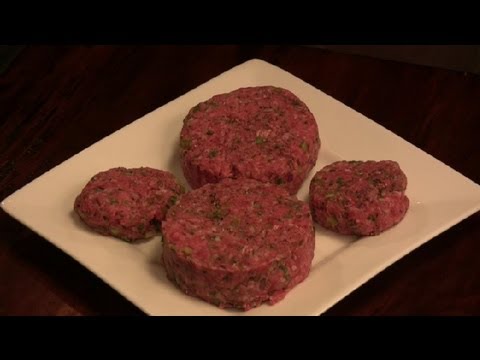
- Season and shape the patties. Put the ground beef in a bowl and sprinkle over the salt, pepper, garlic powder, and onion powder. Turn the meat gently just until the seasoning is distributed. Divide it into 4 equal portions and shape each into a patty about 1/2 inch thick, slightly wider than the buns. Press a shallow dimple into the center of each patty with your thumb. The meat should hold together but should not feel tightly packed; loose shaping helps keep the texture tender.
- Brown the first side. Add the oil to the hot skillet and swirl to coat the cooking surface. Place the patties in the pan with space between them; cook in batches if needed. Cook without moving or pressing them for about 3 to 5 minutes. Look for a browned underside and edges that are beginning to change color. If the meat is sticking, give it another short moment rather than forcing it loose; a browned crust will usually release more easily.
- Turn and cook through. Flip each patty once and cook the second side for about 3 to 5 minutes. Begin checking the temperature near the end of the cooking time. Insert an instant-read thermometer sideways into the center of a patty, taking care not to touch the pan. Ground beef is safe at 160°F; the center should reach that temperature, regardless of whether the outside looks fully browned. Cooking time varies with patty thickness, pan heat, and the pan itself, so use the thermometer rather than the clock alone.
- Add cheese, if using. When the patties are nearly at temperature, place a slice of cheese on each one. Cover the skillet for about 30 to 60 seconds, just until the cheese softens and begins to melt. Confirm that the burgers reach 160°F in the center. If the cheese needs longer, keep the pan covered briefly and check again; avoid leaving lean patties over the heat after they are done.
- Use the oven method if you prefer. Heat the oven to 400°F. Arrange the shaped patties on a lightly oiled wire rack set over a rimmed baking sheet and bake for about 10 to 14 minutes, turning once halfway through. Check the center with an instant-read thermometer and remove the burgers when they reach 160°F. The time is an estimate, not a doneness guarantee, because patty thickness and ovens differ. Add cheese during the final minute or two if desired.
- Rest and toast the buns. Transfer the cooked patties to a clean plate and let them rest for about 3 minutes. While they rest, toast the cut sides of the buns in the skillet over medium heat for about 1 to 2 minutes, or until lightly golden. Toasting gives the bun a little structure and helps it stand up to the meat and condiments. Do not put cooked burgers back on a plate that held raw beef.
- Assemble and serve. Spread condiments on the buns, then add lettuce, a patty, tomato, and onion as you like. Serve while the patties and buns are warm. Keep extra cooked burgers hot if they will not be eaten right away, or refrigerate them promptly.
Servings: 4. Prep time: 15 minutes. Cook time: about 12 minutes. Total time: about 27 minutes.
Tips for Success
- Keep the meat cold. Take it out of the refrigerator when you are ready to season it, not while you prepare all the toppings. Cold meat is easier to handle and shape.
- Do not overwork the mixture. Combine the seasonings with a light touch. The goal is even seasoning, not a smooth paste.
- Make patties wider than the buns. They shrink as they cook. A slightly wider raw patty is more likely to fit the bun once cooked.
- Make a shallow center dimple. This can help limit doming, but do not make a hole or press the patty thin in the middle.
- Leave room in the pan. Crowding cools the cooking surface and encourages steaming. Cook in batches if the patties do not fit with space around them.
- Use a thermometer in the side. Thin patties can be awkward to probe from above. Sliding the thermometer into the center from the edge makes it easier to get a meaningful reading.
- Toast the buns just before serving. A short toast adds texture without making the buns hard. Watch them closely because cut sides can brown quickly in a hot skillet.
Troubleshooting
The patties are dry. The most common cause is cooking them beyond the safe temperature. Check early, remove them as soon as the center reaches 160°F, and avoid pressing them against the pan. A less-lean grind is another option if you want a juicier, richer result.
The patties fall apart. They may be too loosely formed, unusually thin, or turned before the first side has browned. Shape each patty so it holds together without packing it firmly, and wait for a browned crust before flipping. A wide spatula makes turning easier.
The burgers puff up in the middle. Make a shallow dimple in the raw patties and keep their thickness fairly even. If one still domes, do not flatten it with the spatula; pressing can squeeze out moisture. The center will settle somewhat as the burger rests.
The outside is dark before the center is done. Lower the heat slightly and continue cooking, checking the center temperature. The pan may have been too hot, or the patties may be thicker than intended. If the outside is already browned, gentler heat gives the middle more time to cook without scorching the crust.
The meat sticks to the skillet. Make sure the pan is hot and lightly coated with oil before adding the patties. Let the first side brown without trying to move it early. If your pan tends to stick, use a nonstick skillet or well-seasoned cast iron.
The cheese will not melt. Add it near the end and cover the skillet briefly. The trapped heat softens the cheese without requiring the burger to cook much longer.
Variations
Smoky and savory: Add a little smoked paprika to the seasoning or use smoked cheese. Keep the additions modest so the beef remains the main flavor.
Herb-seasoned: Replace some of the garlic or onion powder with dried thyme, oregano, or parsley. Dried herbs are concentrated, so a small pinch can be enough for this amount of meat.
Spicy: Add cayenne or crushed red pepper to the seasoning, or serve with a spicy condiment. Start with a small amount and adjust at the table.
Onion-forward: Cook the sliced onion in the skillet before the patties, then transfer it to a clean dish while the burgers cook. If using the same pan, wipe away excess moisture before searing so the patties brown rather than steam.
Lettuce-wrapped: Skip the bun and serve each patty in large, sturdy lettuce leaves. Keep the toppings dry and add them just before serving for a neater wrap.
Different cheese or sauce: Try cheddar, Swiss, or provolone, and swap the listed condiments for barbecue sauce, relish, or a simple mix of mayonnaise and mustard. Put sauces on the bun rather than into the raw beef, where extra moisture can make shaping less predictable.
What to Serve With It
French fries, oven-roasted potato wedges, or a simple green salad all work well alongside a burger. For a lighter-feeling plate, serve sliced cucumber, crunchy slaw, or grilled vegetables. Pickles add a sharp, salty contrast, while corn on the cob or baked beans make the meal more substantial.
If you are serving several sides, choose a mix of textures rather than making everything rich and soft. Something crisp and acidic, such as a vinegar-dressed slaw or pickles, balances the toasted bun and savory patty. Keep hot sides hot and cold toppings chilled until it is time to eat.
Make-Ahead, Storage and Reheating
You can slice the toppings and mix the dry seasonings ahead, then keep them covered and refrigerated separately. For the best texture, shape the patties shortly before cooking. If you shape them in advance, cover them and refrigerate promptly; cook raw ground beef within one to two days. Keep raw patties separated from ready-to-eat foods, and do not leave them at room temperature while you prepare the rest of the meal.
Refrigerate cooked burgers within two hours of cooking, or within one hour when the surrounding temperature is above 90°F. Store them in a covered, shallow container and use within three to four days. Keep buns, toppings, and leftover patties separate where practical so the bread does not become soggy.
For longer storage, freeze raw ground beef for about three to four months for best quality. Cooked burgers can also be frozen; use them within about two to three months for best quality. Wrap patties securely, label the package, and thaw them in the refrigerator rather than on the counter. Freezing is for storage, not a way to make meat that has been held too long safe.
Reheat a cooked burger until it reaches 165°F throughout. A covered skillet over medium-low heat helps warm it without drying the surface; add a small splash of water to the pan and keep the burger above the liquid. You can also reheat it in the oven, covered, until hot throughout. Add the cheese near the end and toast a fresh bun separately. Reheated patties are best served promptly.
Frequently Asked Questions
Can I make these burgers on an outdoor grill?
Yes. Preheat a clean grill to medium-high, oil the grate lightly, and cook the patties until browned on each side and 160°F in the center. Grill heat varies, so check with an instant-read thermometer rather than relying only on timing. Turn with a thin spatula and do not press the patties.
How do I know when a ground beef burger is safe to eat?
Check the center with an instant-read thermometer. Ground beef should reach 160°F. Color is not a dependable safety check: a burger can look brown before it reaches a safe temperature, or retain some pink after reaching it.
Can I season the beef ahead of time?
You can combine the seasonings with the beef shortly before shaping, but avoid working the mixture repeatedly. For the most tender texture, shape and cook the patties the same day. If the seasoned patties are prepared in advance, keep them covered in the refrigerator and cook them within the safe refrigerated period for raw ground beef.
Can I cook the patties from frozen?
It is easier to cook them evenly after thawing in the refrigerator. If cooking from frozen, use a gentle, steady heat and check the center carefully; the outside can brown before the middle is done. Do not thaw ground beef on the counter, and always cook to 160°F.
Why does lean beef make a less juicy burger?
Lean beef contains less fat, so there is less richness and less protection against drying when the patty stays on the heat too long. Gentle shaping, a properly heated pan, and checking the temperature early help preserve a tender bite. You can also choose a less-lean ground beef blend if that better suits your preference.
Do I need to add an egg or breadcrumbs?
No. These patties are meant to be simple beef burgers, and a gentle shape is enough to hold them together. Egg and breadcrumbs are more typical of a meatloaf-style mixture and change the texture. If the patties crumble, shape them a little more evenly and wait for the first side to brown before turning.
What is the best way to melt cheese on a burger?
Lay the cheese on the patty near the end of cooking and cover the skillet briefly. On a grill, close the lid for a short time. The cheese should soften and drape over the patty; avoid extending the cooking just to brown the cheese.
Can I prepare the burgers without buns?
Yes. Serve the patties over salad greens, alongside vegetables, or tucked into lettuce leaves. Keep the same cooking method and temperature target, and add toppings only when the burgers are ready to serve.