
This lambs lettuce salad brings together tender, delicate greens, juicy tomatoes and salty, creamy feta, all tossed with a bright lemon-Dijon dressing. It is a simple lunch or an easy side for dinner, and the ingredients are quick to prepare.
The key is to dry the greens thoroughly and dress them lightly just before serving. That keeps the lambs lettuce soft but not soggy, while the sweet-tart tomatoes and briny feta make each bite feel balanced. A little cucumber and toasted walnuts add freshness and crunch.
Why This Recipe Works
Lambs lettuce, also called mâche or corn salad, has small, tender leaves that bruise more easily than sturdier salad greens. A gentle wash followed by thorough drying helps the dressing cling without weighing the leaves down. If the leaves are wet, even a well-balanced vinaigrette can turn watery.
The dressing is mixed separately before it goes onto the salad. Whisking the lemon juice, Dijon and honey together first helps the oil disperse into a cohesive vinaigrette, so you can add just enough to coat the leaves. The feta and tomatoes already bring salt and acidity, so seasoning the dressing gradually keeps the finished salad from becoming too sharp or salty.
Finally, the ingredients are added in stages. The greens get a light toss with dressing, and the more delicate toppings go on afterward. That protects the leaves and keeps the feta in distinct, creamy pieces rather than smearing it through the bowl.
Ingredients
- 5 oz lambs lettuce (mâche or corn salad), about 5 packed cups
- 1 pint cherry or grape tomatoes, about 2 cups, halved
- 4 oz feta cheese, crumbled into bite-size pieces
- 1 small cucumber, about 8 oz, thinly sliced or cut into half-moons
- 1 small shallot, about 2 tbsp finely sliced
- 1/4 cup walnut halves or pieces
- 2 tbsp extra-virgin olive oil
- 1 tbsp fresh lemon juice
- 1 tsp Dijon mustard
- 1 tsp honey
- 1/8 tsp fine salt, plus more to taste
- 1/8 tsp freshly ground black pepper, plus more to taste
Ingredient Notes
Lambs lettuce: Look for fresh, crisp leaves without slimy or yellow patches. Mâche is mild and tender, which suits the lemon dressing. Baby spinach is a practical substitute, though it has a slightly firmer texture; a mix of baby spinach and arugula works if you want a peppery note.
Tomatoes: Cherry and grape tomatoes are convenient because they are generally firm enough to halve without releasing too much juice. Any ripe tomato works; cut larger ones into bite-size pieces and remove some watery seeds if they are especially juicy.
Feta: Feta supplies salt, tang and a creamy contrast to the crisp vegetables. Block feta crumbled by hand tends to give larger, softer pieces; pre-crumbled feta is convenient. Goat cheese can stand in, but it is softer and may blend into the dressing more readily.
Cucumber and shallot: Cucumber adds cool crunch. English or Persian cucumber can be used without peeling; peel a thick-skinned cucumber if you prefer. Shallot gives a gentle allium flavor. Use 2 tablespoons of thinly sliced red onion instead, or leave it out for a milder salad.
Walnuts: Their earthy crunch rounds out the soft greens and feta. Toasting is optional but deepens their flavor. Pecans, sliced almonds or sunflower seeds are good alternatives; omit nuts if needed and use seeds instead.
Lemon-Dijon dressing: Lemon keeps the salad fresh, Dijon helps the oil and juice come together, and a small amount of honey softens the sharp edges. Use maple syrup in place of honey, or omit the sweetener if the tomatoes are very sweet. Red wine vinegar can replace the lemon juice, though the flavor will be less citrusy.
Instructions
- Wash and dry the greens. If the lambs lettuce is not labeled ready to eat, rinse it gently in a bowl of cold water, lift the leaves out of any grit, and spin or pat them dry. Look for clean, dry leaves with no grit at the base. Drying matters because excess water dilutes the dressing and makes the salad limp. Keep the greens chilled while you prepare the rest.
- Toast the walnuts (optional). Put the walnuts in a dry skillet over medium-low heat for 3 to 4 minutes, stirring often. They are ready when they smell nutty and look a shade darker; remove them promptly so the residual heat does not scorch them. Cool before adding to the salad.
- Prepare the vegetables and feta. Halve the tomatoes, slice the cucumber and shallot, and crumble the feta into bite-size pieces. Keep the tomato pieces roughly similar in size so they are easy to eat with a fork. If the tomatoes have a lot of juice, let the cut sides drain briefly on a plate; this helps keep the salad from becoming watery.
- Whisk the dressing. In a small bowl, whisk the lemon juice, Dijon, honey, salt and pepper. Slowly whisk in the olive oil until the mixture looks lightly thickened and blended. Taste it: it should be bright and balanced, not aggressively sour or salty. Add a little more lemon, honey or pepper to suit your ingredients, but wait to add extra salt until after the feta is in the salad.
- Dress the greens lightly. Put the dry lambs lettuce in a large bowl and drizzle over about half the dressing. Toss gently with clean hands or salad servers until the leaves have a faint sheen. Add more dressing a teaspoon or two at a time only if needed; the leaves should be coated, not dripping. This gradual approach keeps the delicate greens from collapsing.
- Finish and serve. Add the tomatoes, cucumber, shallot and feta, then fold them through gently once or twice. Scatter the walnuts over the top and finish with a little black pepper. Serve right away, with any remaining dressing at the table. The salad is at its best while the leaves are still crisp and the feta pieces are distinct.
Optional roasted seasonal vegetables: For a warm-weather or fall variation, toss cut vegetables with a little olive oil, salt and pepper and spread them on a rimmed baking sheet. Roast at 425°F (220°C): thin asparagus pieces or zucchini usually need about 10 to 15 minutes, while 1/2-inch cubes of butternut squash or Brussels sprout halves generally need about 20 to 30 minutes. Turn once if useful. They are ready when tender when pierced and browned at the edges. Let them cool until warm, not steaming, before adding them; hot vegetables can wilt the lambs lettuce.
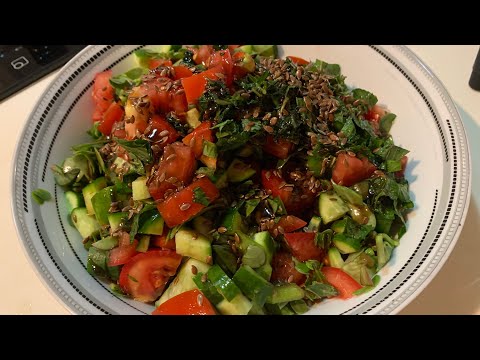
Tips for Success
- Keep the greens cold and dry. Store them in the refrigerator until close to serving, and dry them well after washing. A salad spinner is useful, but a clean kitchen towel also works.
- Use a roomy bowl. A large bowl lets you lift and fold the leaves without crushing them. If your bowl is small, toss the greens in batches.
- Dress in stages. Start with half the vinaigrette. The exact amount needed depends on how tightly packed the greens are and how much moisture the tomatoes release.
- Season after adding feta. Feta can be quite salty, so taste the assembled salad before adding more salt.
- Cut toppings to a similar scale. Bite-size tomato halves and thin cucumber slices distribute evenly and make the salad easier to eat.
- Serve promptly after dressing. Lambs lettuce is especially tender. Prepare the components ahead, but wait to toss until the meal is ready.
Troubleshooting
The salad tastes watery. The greens may not have been dried fully, or cut tomatoes may have released a lot of juice. Drain juicy tomatoes briefly, pour off any liquid in the bowl, and add dressing sparingly. For next time, dry the greens thoroughly and dress them just before serving.
The leaves have gone limp. This usually happens when the salad is dressed too early, over-tossed or given too much vinaigrette. There is no reliable way to make dressed leaves crisp again. For a better result next time, keep greens chilled and undressed until serving, then fold gently.
The dressing tastes too sharp. Whisk in a little more olive oil or a small amount of honey, then taste again. Add these in small increments so the dressing does not become too sweet or oily.
The salad tastes flat. Add a little lemon juice or freshly ground pepper and taste again. If the salad still needs seasoning, add a pinch of salt; the feta may already provide enough.
The feta smears through the salad. It may be very soft, or the salad may have been tossed too vigorously. Add feta at the end and fold only once or twice. For cleaner pieces, chill the feta briefly before crumbling.
Variations
Use seasonal produce as a small addition rather than crowding out the greens. Keep the dressing and feta as a guide, and adjust the amount of dressing if your additions are especially juicy or rich.
- Spring: Add 1 cup thinly sliced radishes, 1 cup lightly blanched asparagus pieces, or 1 cup raw snap peas sliced on the diagonal. The crisp vegetables bring color and a fresh crunch. Blanch asparagus in boiling water for 2 to 3 minutes, until bright green and just tender, then cool it promptly in cold water and dry it well.
- Summer: Add 1 cup grilled zucchini, 1 cup sliced bell pepper, or 1 cup cooked sweet corn kernels. Grill zucchini until tender with light char marks, or use cooled corn cut from the cob. Let warm ingredients cool before tossing with the greens.
- Fall: Add 1 cup roasted butternut squash cubes or 1 cup thinly sliced crisp apple. For squash, cut it into 1/2-inch cubes, toss with 1 teaspoon olive oil, and roast at 425°F (220°C) for about 20 to 30 minutes, turning once, until tender and browned at the edges. Cool to warm before adding. A crisp apple gives a fresher, crunchier contrast.
- Winter: Add 1 cup roasted Brussels sprout halves or 1/2 cup pomegranate seeds. Roast halved sprouts at 425°F (220°C) for about 20 to 30 minutes, turning once, until tender inside and browned on the cut sides. Pomegranate seeds need no cooking and add a juicy tart-sweet note.
For a heartier meal, add 1 cup cooked chickpeas or 1 cup cooked, cooled farro. If using grains, make sure they are cool before they meet the greens. A few chopped fresh mint leaves or parsley can also brighten the finished bowl.
What to Serve With It
This salad fits alongside grilled chicken, roasted fish, lamb chops or a vegetable tart. Because the feta and walnuts make it more substantial than plain greens, it also works as a light lunch with warm crusty bread, pita or toasted sourdough. For a vegetarian meal, serve it with a bowl of lentil soup, roasted chickpeas or a savory grain dish.
If serving it with a hot main, prepare the salad components while the main cooks, but dress the greens at the last moment. Keep any warm roasted vegetables on the side until they have cooled to warm; adding them piping hot can soften the leaves.
Make-Ahead, Storage and Reheating
For the best texture, prepare the parts separately up to a day ahead. Wash and thoroughly dry the lambs lettuce, then refrigerate it in a covered container with a clean, dry paper towel to absorb excess moisture. Slice the shallot and cucumber and store them covered in the refrigerator. Keep the feta and toasted walnuts separate, and refrigerate the dressing in a sealed container. If the olive oil firms up in the refrigerator, let the dressing sit at room temperature briefly and whisk or shake it before serving.
Once assembled, the salad is best eaten immediately. If you have leftovers, refrigerate them promptly in a covered container and use within 3 to 4 days, consistent with general USDA guidance for refrigerated leftovers kept at 40°F (4°C) or below; however, dressed lambs lettuce will usually lose its pleasant texture well before then. Discard perishable salad that has been left at room temperature for more than 2 hours, or more than 1 hour when the temperature is above 90°F (32°C).
Freezing is not recommended. The greens, cucumber and tomatoes become soft and release water after thawing, and feta changes texture. This is a cold salad, so reheating is not needed. If you have roasted vegetables left over, store them separately in the refrigerator and reheat those alone if you want them warm; let them cool before adding to fresh greens.
Recipe Card
Servings: 4 as a side or 2 as a light main
Prep time: 15 minutes
Cook time: 4 minutes, if toasting walnuts
Total time: 19 minutes
Ingredients
- 5 oz lambs lettuce (mâche or corn salad), about 5 packed cups
- 1 pint cherry or grape tomatoes, about 2 cups, halved
- 4 oz feta cheese, crumbled
- 1 small cucumber, about 8 oz, thinly sliced
- 1 small shallot, about 2 tbsp finely sliced
- 1/4 cup walnut halves or pieces
- 2 tbsp extra-virgin olive oil
- 1 tbsp fresh lemon juice
- 1 tsp Dijon mustard
- 1 tsp honey
- 1/8 tsp fine salt, plus more to taste
- 1/8 tsp freshly ground black pepper, plus more to taste
Condensed Instructions
- Rinse the lambs lettuce if needed and dry it thoroughly; keep it chilled.
- Toast walnuts in a dry skillet over medium-low heat for 3 to 4 minutes, stirring, until fragrant. Cool.
- Halve tomatoes, slice cucumber and shallot, and crumble feta.
- Whisk lemon juice, Dijon, honey, salt and pepper. Slowly whisk in olive oil until blended.
- Toss the greens gently with about half the dressing. Add more only as needed to lightly coat.
- Fold in tomatoes, cucumber, shallot and feta. Top with walnuts and serve promptly with extra dressing on the side.
Frequently Asked Questions
What is lambs lettuce?
Lambs lettuce is a mild salad green also known as mâche or corn salad. It has small, tender leaves and a delicate texture, so it benefits from gentle handling and light dressing.
Can I use a different kind of lettuce?
Yes. Baby spinach is a close, easy-to-find substitute. Mixed baby greens also work, though sturdy leaves such as romaine will give the salad a crunchier texture and may take a little more dressing.
Can I make the dressing ahead?
Yes. Whisk it together and refrigerate it in a sealed container for up to 3 to 4 days. The oil may firm up when cold; let it stand briefly and shake or whisk until blended before using. Taste and adjust the seasoning before dressing the salad.
Can I prepare the whole salad in advance?
Prepare and refrigerate the components separately, but do not dress or fully assemble the salad ahead. Once dressed, lambs lettuce softens quickly. Add the tomatoes, feta and dressing just before serving for the best texture.
Should I use block feta or crumbled feta?
Either works. Block feta is easy to crumble into larger, softer pieces, while pre-crumbled feta saves time. Since feta varies in saltiness, taste the finished salad before adding extra salt.
How can I make the salad more filling?
Add cooked chickpeas, farro or another cooked grain, or serve it with bread and a protein such as chicken or fish. Let hot ingredients cool before adding them to the lambs lettuce.
Can I use roasted vegetables in this salad?
Yes. Roasted squash, Brussels sprouts, zucchini or bell pepper all fit. Roast them until tender and browned, then cool them until warm before combining with the greens so they do not wilt the salad.
Is this salad suitable for making the night before?
The separate components can be prepared the night before and kept covered in the refrigerator, but the finished salad is not ideal overnight. Store the greens dry, keep the dressing separate, and assemble shortly before serving.