
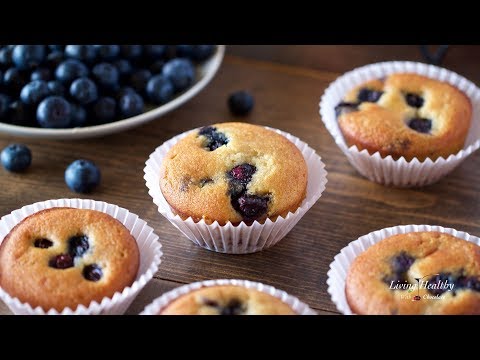
These blueberry muffins are soft in the middle, lightly golden at the edges, and easy to mix by hand. A gluten-free flour blend, almond milk, and everyday baking ingredients make a straightforward batch for breakfast, a snack, or a lunchbox.
The method keeps the batter tender: combine the dry and wet ingredients separately, then stir them together just until the flour disappears. Blueberries bring little pockets of juicy sweetness. For a low FODMAP approach, check the serving guidance for your specific berries, flour blend, milk, and sweetener; sensitivities and product ingredients vary.
Why This Recipe Works
The baking powder and baking soda give the muffins lift, while the eggs help bind the gluten-free flour and set the crumb as it bakes. Since gluten-free flour blends vary in their starches and binders, use a blend intended for baking rather than a single flour such as almond or rice flour. If the blend already includes xanthan gum, there is no need to add more.
Oil adds moisture without requiring softened butter, and almond milk loosens the batter enough to make it easy to portion. Mixing the wet ingredients in one bowl and the dry ingredients in another helps distribute the leaveners and salt before they meet the liquid. Once combined, a light hand matters: vigorous or prolonged stirring can make the muffins dense.
Blueberries go in last so they stay as whole as possible. Fresh berries can be folded in directly. Frozen berries can also work; add them straight from the freezer rather than thawing them, which can release extra juice and tint the batter. A moderately hot oven sets the tops and edges while the centers finish baking.
Ingredients
- 1 ½ cups gluten-free all-purpose flour blend, preferably one made for baking
- 1 teaspoon baking powder
- ½ teaspoon baking soda
- ¼ teaspoon fine salt
- ½ cup granulated sugar, or ½ cup of a granulated sweetener suitable for baking and low FODMAP at the portion used
- 2 large eggs, at room temperature if convenient
- ½ cup unsweetened almond milk, or another low FODMAP milk alternative
- ¼ cup neutral vegetable oil or melted coconut oil, cooled slightly
- 1 teaspoon vanilla extract
- 1 cup fresh or frozen blueberries, rinsed and dried if fresh; keep frozen berries frozen
Ingredient Notes
Gluten-free flour: A cup-for-cup or all-purpose gluten-free blend is the practical choice here. Blends differ, so weigh or spoon the flour into the measuring cup and level it rather than scooping firmly from the bag. Some blends contain xanthan gum or another binder; check the label before adding anything extra. For a low FODMAP selection, check the ingredient list for additions such as chicory root or inulin, and follow the serving guidance for the product.
Leaveners and salt: Baking powder and baking soda are not interchangeable in this recipe. Keep both amounts as written for balanced lift and flavor. Use fresh baking powder and baking soda; old leaveners may leave the muffins short or heavy. Fine salt disperses evenly through the dry ingredients.
Sugar or sweetener: Granulated sugar gives a familiar muffin crumb and gentle sweetness. A substitute should be intended for baking and used according to its package directions; some alternatives are much sweeter than sugar or behave differently in a batter. Avoid assuming every sugar-free sweetener is low FODMAP. Check its ingredients and serving guidance.
Eggs and milk: Eggs bind the batter and help the muffins set. Almond milk keeps the recipe dairy-free, but another milk alternative can work if it suits your needs and is low FODMAP at the amount used. Choose unsweetened milk so the sweetness remains predictable. If using refrigerated ingredients, letting the eggs lose their chill briefly can help the oil stay evenly mixed.
Oil and vanilla: Neutral vegetable oil gives a moist crumb with little flavor of its own. Melted coconut oil works too, but let it cool until warm rather than hot before mixing it with the eggs. Vanilla rounds out the flavor; use pure or imitation vanilla extract as preferred.
Blueberries: Use fresh berries that are firm and dry, or frozen berries straight from the freezer. Blueberries are often used in low FODMAP recipes, but the tolerated portion depends on the current serving guidance and the rest of the meal. This recipe makes 12 muffins, so the cup is divided across the batch; use the portion guidance that applies to you rather than treating a whole batch as one serving.
Instructions
- Prepare the pan and oven. Heat the oven to 375°F (190°C). Line a standard 12-cup muffin pan with paper liners, or grease the cups lightly. Set the pan on a level surface while the oven heats. A fully heated oven helps the leaveners work predictably; the oven is ready when it has reached the set temperature, not simply when the preheat light first changes if your oven cycles.
- Mix the dry ingredients. In a medium bowl, whisk together the gluten-free flour, baking powder, baking soda, and salt until the mixture looks evenly combined, with no visible clumps of leavener. This distributes the raising agents through the flour so the muffins rise evenly rather than developing bitter or dense patches.
- Mix the wet ingredients. In a second bowl, whisk the sugar, eggs, almond milk, oil, and vanilla until smooth and the sugar is moistened. The mixture may not look completely uniform if the oil is cool, but it should not have large streaks of egg white. If using coconut oil, make sure it is cooled; hot oil can partially cook the eggs.
- Combine the batter. Pour the wet mixture into the dry ingredients. Stir with a spatula just until no dry flour remains, scraping the bottom and sides of the bowl once. The batter should be thick and scoopable, not elastic or heavily beaten. A few small lumps are fine; continuing to stir after the flour is incorporated can make the texture compact.
- Fold in the blueberries. Add the berries and gently fold them through the batter with a few broad strokes. Stop when they are distributed. Fresh berries should remain mostly whole; frozen berries may streak the batter slightly, which is normal. Keeping frozen berries frozen limits excess juice and helps prevent a watery batter.
- Fill the muffin cups. Divide the batter evenly among the 12 prepared cups, filling each about two-thirds to three-quarters full. A spoon or spring-loaded scoop makes portioning easier. Wipe any batter from the pan surface so it does not burn. The cups should look similarly filled so they finish baking at about the same time.
- Bake until set. Bake at 375°F (190°C) for 18 to 22 minutes. Begin checking at 18 minutes. The tops should look lightly golden and spring back when touched gently; a toothpick inserted into a muffin away from a blueberry should come out clean or with a few dry crumbs, not wet batter. If it hits a berry, test another spot. Add a few minutes if the centers still look shiny or sink when lightly pressed.
- Cool before serving. Let the muffins rest in the pan for 5 minutes, then move them to a wire rack to cool. This short rest lets the structure firm so the muffins release without breaking. They are good warm, but the crumb will be less fragile after cooling for about 15 to 20 minutes.
Tips for Success
- Measure flour gently. Fluff it in the container, spoon it into the cup, and level the top. Pressing a measuring cup into the flour can pack in extra and make the batter dry.
- Check the flour blend label. A blend designed for cakes or muffins is more suitable than a single gluten-free flour. If it contains a binder, use the recipe as written; adding extra binder can make the crumb gummy.
- Keep mixing brief. Stop as soon as the flour is incorporated, then fold in the berries. A thick batter is expected and does not need to be beaten smooth.
- Use frozen berries without thawing. Thawed berries shed juice, which can color the batter and create damp streaks. Fold frozen berries in promptly and get the pan into the oven.
- Do not judge doneness by color alone. Gluten-free muffins can brown before the centers are set. Check the spring-back and toothpick cues, testing away from berries.
- Let the pan cool between batches. If baking more than one batch in the same pan, allow it to cool before filling again. Batter in a hot pan can start setting before it reaches the oven.
- Check serving-size ingredients. Low FODMAP suitability depends on serving and product formulation. Read labels on flour, milk, and sweetener, and use the current portion guidance that fits your needs.
Troubleshooting
The muffins are dry or crumbly. Too much flour is a common cause. Spoon and level it rather than packing the cup, and avoid baking past the point when a tester comes out clean or with dry crumbs. Also check that the flour blend is a baking blend; swapping in a single flour can change how much liquid the batter needs.
The centers are gummy. They may be underbaked, especially if a toothpick went through a blueberry and looked wet. Test another spot and bake for a few more minutes if needed. Let the muffins cool before judging their texture, since gluten-free crumbs often firm as they cool.
The muffins did not rise much. Check that the baking powder and baking soda are fresh and that the oven was fully heated. Measure the leaveners level, not heaped, and get the batter into the oven soon after mixing so the raising action is not wasted.
The berries sank or left wet pockets. A thick batter should help hold them in place, but very large or thawed berries can release more juice. Use frozen berries directly from the freezer, fold gently, and avoid overloading the recipe with extra fruit.
The tops browned but the middle is not done. Oven temperatures can differ. Check with a tester and continue baking in short increments. If the tops are already dark, loosely lay a piece of foil over the pan for the remaining bake, taking care not to press it onto the batter.
The batter looks thicker than expected. Gluten-free blends absorb liquid differently, and a thick scoopable batter is normal here. Do not add milk automatically. If it is truly too stiff to stir, check that the flour was measured correctly and that the right amounts of eggs and milk went in.
Variations
Lemon-blueberry: Add 1 teaspoon finely grated lemon zest to the wet ingredients. Zest adds fragrance without changing the batter structure; avoid adding extra lemon juice, which would alter the liquid and acidity balance.
Cinnamon top: Before baking, sprinkle each muffin with a pinch of cinnamon mixed with a little of the measured sugar. Keep the topping light so it does not form a heavy crust.
Mini muffins: Divide the batter among a greased or lined mini-muffin pan. Begin checking after about 10 minutes; smaller muffins bake faster, and the same spring-back and clean-tester cues apply. Exact timing depends on the pan and oven.
Different berries: You can replace some or all of the blueberries with another fruit only if it fits your dietary requirements and the fruit is cut into small pieces. Juicy fruit can make the crumb damp, so keep the total amount close to 1 cup and follow the relevant low FODMAP portion guidance.
Change the oil: Use neutral vegetable oil for a mild flavor or melted coconut oil for a faint coconut note. Do not substitute a solid fat without melting it, since that changes how it incorporates into this quick batter.
What to Serve With It
Serve a muffin with a hard-boiled egg, a little lactose-free yogurt, or a piece of fruit that suits your serving plan for a more substantial breakfast. For a simple snack, coffee or tea is enough. If serving these for brunch, offer them with savory eggs or a platter of low FODMAP-friendly sides so guests can choose portions and combinations that work for them.
The muffins are pleasantly sweet on their own, so extra toppings are optional. A small spread of butter or a suitable dairy-free alternative is nice while they are warm. If you are sharing them with someone following a low FODMAP plan, keep in mind that the full meal and individual portions matter, not just the muffin ingredients.
Make-Ahead, Storage and Reheating
Make ahead: Measure the dry ingredients into a covered container up to a day ahead. Whisk the wet ingredients and combine them with the dry mixture only when you are ready to bake. The leaveners begin working after liquid is added, so holding mixed batter can reduce the lift. You can also bake the muffins a day before serving.
Refrigerator: Cool the muffins, then place them in a covered container and refrigerate within 2 hours. For a conservative leftover-storage schedule, use them within 3 to 4 days. Refrigeration can make gluten-free muffins feel firmer; bring one to room temperature or warm it briefly before serving.
Freezer: Once completely cool, freeze the muffins in a freezer-safe container or bag, with parchment between layers if needed. For best quality, use within 2 to 3 months. Thaw in the refrigerator or at room temperature, or warm from frozen until heated through.
Reheating: Warm an individual muffin in the microwave in short bursts, checking often so it does not dry out, or heat it in a 300°F (150°C) oven until warm. To refresh a refrigerated or thawed muffin, a few minutes in the oven usually restores a softer feel. Avoid repeated cooling and reheating; warm only what you plan to eat.
Recipe Card
Servings: 12 standard muffins
Prep time: 15 minutes
Cook time: 18 to 22 minutes
Total time: About 40 minutes, including a short cooling rest
Ingredients
- 1 ½ cups gluten-free all-purpose flour blend
- 1 teaspoon baking powder
- ½ teaspoon baking soda
- ¼ teaspoon fine salt
- ½ cup granulated sugar or a suitable granulated low FODMAP sweetener
- 2 large eggs
- ½ cup unsweetened almond milk or another suitable low FODMAP milk alternative
- ¼ cup vegetable oil or melted, slightly cooled coconut oil
- 1 teaspoon vanilla extract
- 1 cup fresh or frozen blueberries
Instructions
- Heat the oven to 375°F (190°C) and line or grease a 12-cup muffin pan.
- Whisk the flour, baking powder, baking soda, and salt in a bowl.
- In another bowl, whisk the sugar, eggs, milk, oil, and vanilla until smooth.
- Stir wet ingredients into dry ingredients just until no dry flour remains; fold in the blueberries gently.
- Divide batter among the cups, filling each about two-thirds to three-quarters full.
- Bake for 18 to 22 minutes, until the tops spring back and a tester inserted away from a berry comes out clean or with dry crumbs.
- Cool in the pan for 5 minutes, then transfer to a rack.
Frequently Asked Questions
Are these muffins gluten-free?
They are made with gluten-free all-purpose flour, but check the flour package and all other ingredient labels if avoiding gluten is important. Blends and manufacturing practices differ, and the recipe cannot determine what is in a particular product.
Are these muffins automatically low FODMAP?
Not necessarily for every person or serving. Ingredient formulations and tolerated portions vary. Check the current serving guidance for blueberries and your specific flour, milk, and sweetener, and portion the muffins accordingly.
Can I use frozen blueberries?
Yes. Add them while still frozen and fold them in gently. Thawing first can release juice, tint the batter, and leave damp streaks in the baked muffins.
Can I use a different milk?
Yes, use an unsweetened milk alternative that works for you and is appropriate for your low FODMAP serving plan. A sweetened or flavored milk can change the sweetness and flavor of the batch.
Can I replace the eggs?
Eggs provide both binding and structure, so an egg substitute may change the rise and texture. A commercial egg replacer can be tried according to its package directions, but results depend on the product; this recipe has not been formulated with a specific egg-free substitute.
How do I know the muffins are done?
The tops should spring back when gently touched, and a toothpick inserted into the center away from a blueberry should come out clean or with a few dry crumbs. Wet batter means they need more time. A berry can make a tester look wet even when the crumb is baked, so check another spot.
Why did the muffins turn blue or purple inside?
Blueberries can release juice during mixing and baking, especially if frozen berries thaw or burst. That color is expected and does not by itself mean the muffins are underbaked. Fold gently and keep frozen berries frozen to reduce streaking.
Can I make the batter ahead and bake it later?
It is better to bake soon after mixing. Once the wet and dry ingredients meet, the leaveners begin their work, and a long rest can reduce the muffins’ rise. Prepare the dry and wet mixtures separately ahead, then combine them just before baking.