
Maruya is a Filipino banana fritter made by coating ripe bananas in a lightly sweetened batter and frying them until crisp and golden. Saba bananas are the traditional choice for their firm, starchy texture, but ripe plantains work well when saba is not available.
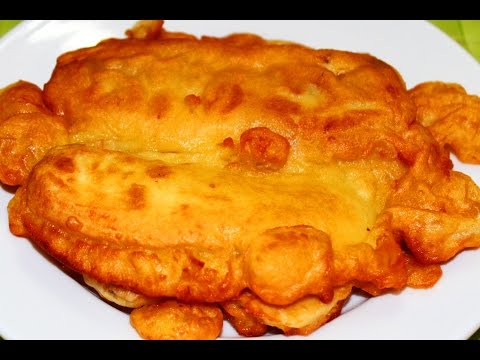
This version keeps the batter simple and lets the bananas stay recognizable: slice each one lengthwise, arrange the pieces like a small fan, and coat them just enough to hold together. The edges turn crisp, the centers stay tender, and a little powdered sugar adds a delicate finish without hiding the banana flavor.
Why This Recipe Works
Ripe bananas bring plenty of sweetness and soften as they cook, while a modest amount of sugar in the batter helps the fritters brown. The banana should be ripe enough to taste sweet but firm enough to slice and move without falling apart. Saba and plantains are especially useful here because they hold their shape better than very soft dessert bananas.
Baking powder gives the thin coating a little lift, so it fries up lighter than a dense paste. The batter is mixed only until smooth; overmixing can make a flour batter tougher. Starting with the stated half cup of water and adding more a tablespoon at a time gives you control: it should cling to the banana rather than run off in a thin stream.
Frying at about 350°F (175°C) cooks the coating promptly and evenly. Oil that is too cool can soak into the batter; oil that is too hot can darken the outside before the banana warms through. Frying in small batches also helps the oil recover its temperature between additions.
Ingredients
- 6 ripe saba bananas, peeled; use ripe plantains if saba is unavailable
- 1 cup all-purpose flour
- 1/2 cup water, plus up to 2 tablespoons more as needed for batter consistency
- 1/4 cup granulated sugar, adjusted to the sweetness of the bananas
- 1 teaspoon baking powder
- 1/4 teaspoon fine salt
- 1 teaspoon vanilla extract, optional
- 2 to 3 cups vegetable or canola oil, for frying; use enough to make about a 1/2-inch depth in the pan
- 2 tablespoons powdered sugar, for dusting, optional
Ingredient Notes
Bananas: Choose fruit with yellow skin and some brown spotting, but avoid bananas that are collapsing or leaking. Saba has a dense, gently starchy texture that stays satisfying after frying. Ripe plantain is the closest practical substitute. If using smaller, softer bananas, handle the slices gently and expect a sweeter, softer center.
Flour and baking powder: All-purpose flour makes a straightforward coating with enough structure to hold the slices together. Baking powder lightens it slightly. For a gluten-free version, a cup-for-cup gluten-free flour blend may work, but the batter texture and browning can vary by blend; follow its package guidance if it differs.
Water: Water hydrates the flour without making the coating rich or heavy. Add it gradually because flour absorbs liquid differently depending on how it was measured and the humidity. The finished batter should coat a spoon and cling to a banana slice, not sit in a stiff mound.
Sugar and salt: The sugar sweetens the coating and encourages browning. If the bananas are very sweet, reduce it to 2 tablespoons; if they are only just ripe, use the full 1/4 cup. Salt keeps the batter from tasting flat. Powdered sugar on top is optional, so you can keep the fritters less sweet if you prefer.
Oil: Use a neutral oil suitable for frying, such as vegetable or canola oil. The exact amount depends on your pan. A shallow layer is enough; the fritters do not need to be fully submerged.
Instructions
- Prepare the bananas. Peel the bananas and slice each one lengthwise into 3 or 4 long strips, depending on its size. If a banana is broad, you can make a few shallow cuts lengthwise and gently fan the strips apart while keeping them joined near one end. Set them on a plate. The pieces should be easy to lift without crumbling; this shape gives the batter more surface to grip.
- Mix the batter. In a medium bowl, whisk together the flour, sugar, baking powder, and salt. Add 1/2 cup water and the vanilla, if using. Stir just until no dry pockets remain. If the batter is too thick to coat a slice, mix in extra water 1 tablespoon at a time, up to 2 tablespoons. It should fall slowly from a spoon and leave a light coating, which helps prevent a heavy, doughy shell.
- Heat the oil. Pour enough oil into a heavy skillet or wide saucepan to reach about 1/2 inch. Heat over medium to medium-high until the oil reaches 350°F (175°C), checking with a frying thermometer. If you do not have one, drop in a small dab of batter: it should bubble steadily and rise, but not darken immediately. Adjust the heat as needed; a steady temperature is more useful than a fixed burner setting.
- Coat and arrange the first fritters. Dip a banana portion into the batter and turn it gently to coat. Let excess batter drip back into the bowl. If you fanned the slices, keep them together as you lift them, then spread them slightly in the pan with a fork or spatula. The coating should cover the fruit without pooling in thick clumps.
- Fry in small batches. Carefully lower 2 or 3 coated portions into the hot oil, leaving space between them. Fry for about 2 to 3 minutes on the first side, until the edges look set and the underside is deep golden. Turn with a slotted spatula or tongs and cook another 2 to 3 minutes. The fritter is ready when both sides are evenly golden and the batter no longer looks wet. If it browns much faster, lower the heat.
- Drain and finish frying. Transfer the fritters to a wire rack set over a tray, or to a plate lined with paper towels. Let the oil return to about 350°F (175°C) before adding the next batch. Repeat with the remaining banana. Draining while hot lets excess oil run off and helps the coating stay crisp.
- Serve warm. Dust lightly with powdered sugar, if desired, and serve soon after frying. The contrast between the crisp coating and soft banana is best while warm. Let the oil cool completely before handling or disposing of it.
Tips for Success
- Use ripe but intact fruit. A banana that is fragrant and sweet but still holds its shape is much easier to slice and coat than an overripe one.
- Make the batter just before frying. Baking powder starts working once it is mixed with liquid. A short wait is fine, but a freshly mixed batter gives the coating its best lift.
- Adjust the consistency in small increments. If the batter slides off the banana, it is too thin; whisk in flour a teaspoon at a time. If it forms a thick lump, add water a tablespoon at a time.
- Keep the oil at a steady temperature. Adding too many fritters at once cools the oil. Work in batches and give the oil time to recover before frying again.
- Use a wide pan and leave space. Crowded fritters can stick together and are harder to turn without tearing the coating.
- Turn once the first side has set. Wait until the underside is golden and the edges look firm before turning. Early flipping can pull the batter away from the banana.
- Choose a rack when possible. A rack lets steam escape from the bottom. If using paper towels, move the fritters after a short drain so they do not sit in trapped steam.
Troubleshooting
The batter falls off the bananas. The surface may be wet, or the batter may be too thin. Pat the slices dry with a clean paper towel, then thicken the batter with flour a teaspoon at a time. Coat each slice immediately before frying rather than letting it sit in the bowl.
The coating is greasy. Oil that is too cool is the usual cause, as is overcrowding the pan. Check that the oil is near 350°F (175°C), fry fewer pieces at a time, and let the temperature recover between batches.
The outside gets dark before the banana is tender. Lower the heat and check the oil temperature. Sugar in the batter browns readily, so the pan may be hotter than it seems. Fry slightly smaller or thinner banana portions if the fruit is especially large.
The fritters are pale and soft. The oil may be below temperature, or the pieces may have been removed before their coating set and browned. Bring the oil back to about 350°F (175°C) and fry in smaller batches until both sides are golden.
The batter is gummy or heavy. It may be too thick, overmixed, or applied too heavily. Add a little water if needed, stir only until combined, and let excess batter drip away before frying.
The banana breaks when you turn it. Use a broad, thin spatula and wait until the coating is set. Very ripe fruit is fragile, so cut it into fewer, wider pieces and move each fritter only once if possible.
Variations
Simple sugar finish: Serve the fritters plain or dust them with powdered sugar just before eating. Granulated sugar can be sprinkled on while they are still warm, but it will give a more noticeable crunch.
Cinnamon sugar: Mix 2 tablespoons granulated sugar with 1/4 teaspoon ground cinnamon and sprinkle it over the warm fritters. Use this instead of powdered sugar, or leave both off if your bananas are especially sweet.
Smaller fritters: Cut each banana into shorter pieces before coating. These are easier to turn and serve as a snack, though they may cook a little faster, so watch the color closely.
Extra vanilla: Keep the teaspoon of vanilla in the batter for a gentle aroma. You can omit it without changing the method; it is optional rather than essential to the coating.
Less-sweet batter: Reduce the granulated sugar to 2 tablespoons and let the ripe banana provide most of the sweetness. Taste the first fritter once it is cool enough, then decide whether to dust the rest.
What to Serve With It
Maruya is satisfying on its own as a warm snack or simple dessert. Serve it with coffee or tea, or alongside fresh fruit for a lighter-tasting plate. If offering it after a meal, make the fritters the final warm item and dust them just before serving so the sugar stays distinct.
A small bowl of powdered sugar or cinnamon sugar lets everyone choose their own finish. A simple dip of sweetened condensed milk is another option, but it makes the plate considerably sweeter; serve it on the side rather than coating every fritter.
Make-Ahead, Storage and Reheating
Maruya is best freshly fried. You can measure the dry batter ingredients ahead and keep them covered at room temperature, then add the water and vanilla shortly before frying. Peel and cut the bananas close to cooking time; exposed banana can darken and soften.
Refrigerate leftover fritters in a covered container within 2 hours of cooking, or within 1 hour if the room temperature is above 90°F (32°C). Use refrigerated leftovers within 3 to 4 days. They will soften in storage, but reheating can restore some crispness. Freeze cooled fritters in a well-sealed freezer container for about 2 to 3 months for best quality. Thaw in the refrigerator before reheating, or reheat from frozen for longer.
For the oven, arrange fritters in a single layer on a baking sheet and heat at 350°F (175°C) for about 8 to 10 minutes, turning once, until hot through. From frozen, allow about 12 to 15 minutes and check the center. An air fryer can also work: heat at 325°F (165°C) for 3 to 5 minutes from chilled, turning once. Times vary with the size and thickness of the fritters. Avoid microwaving if you want a crisp coating; it warms the banana but tends to leave the batter soft.
Recipe Card
Servings: 6, depending on banana size
Prep time: 15 minutes
Cook time: 15 minutes, in batches
Total time: About 30 minutes
Ingredients
- 6 ripe saba bananas, peeled, or ripe plantains
- 1 cup all-purpose flour
- 1/2 cup water, plus up to 2 tablespoons as needed
- 1/4 cup granulated sugar, adjusted to taste
- 1 teaspoon baking powder
- 1/4 teaspoon fine salt
- 1 teaspoon vanilla extract, optional
- 2 to 3 cups vegetable or canola oil, enough for a 1/2-inch depth in the pan
- 2 tablespoons powdered sugar, optional
Condensed Instructions
- Slice each peeled banana lengthwise into 3 or 4 strips. Keep the pieces together in a fan if desired.
- Whisk flour, sugar, baking powder, and salt. Stir in 1/2 cup water and vanilla until just combined; add more water a tablespoon at a time until the batter clings to a spoon.
- Heat about 1/2 inch of oil in a heavy pan to 350°F (175°C).
- Coat banana portions, let excess batter drip off, and fry 2 or 3 at a time for about 2 to 3 minutes per side, until golden and set.
- Drain on a wire rack or paper towels. Let the oil return to temperature between batches, then serve warm with optional powdered sugar.
Frequently Asked Questions
Can I make maruya without saba bananas?
Yes. Ripe plantains are a good substitute because they stay firm enough to slice and fry. If using ordinary dessert bananas, choose ones that are ripe but not mushy, handle them gently, and expect a softer center.
Should I mash the bananas?
Not for this version. Slicing them lengthwise keeps the banana pieces distinct and makes them easier to coat and turn. If the fruit is too soft to slice cleanly, it is likely overripe for this method.
How thick should the batter be?
It should cling to a banana slice in a thin, even layer and fall slowly from a spoon. If it runs straight off, add a little flour. If it is so thick that it forms a heavy coating, loosen it with water a tablespoon at a time.
Can I prepare the batter ahead?
It is better to mix it shortly before frying because the baking powder is most useful when the batter is freshly combined. You can whisk the dry ingredients together in advance, then add water and vanilla when you are ready to cook.
How do I know the oil is hot enough without a thermometer?
Drop a small amount of batter into the oil. It should bubble steadily and rise to the surface without turning dark almost at once. A thermometer gives a more reliable reading; aim for 350°F (175°C) and adjust the burner to maintain it.
Can I cook maruya in an air fryer?
This batter is designed for shallow frying, so an air fryer will not give exactly the same result and may let loose batter drip through the basket. For the intended crisp coating, use a skillet with hot oil. Reheating already-fried maruya in an air fryer works well.
Why are my fritters not crisp after they cool?
Like many fried foods, the coating softens as it cools because moisture from the banana and the surrounding air affects its texture. Serve them soon after frying, avoid stacking them, and drain them on a rack so steam can escape.
Can I use less sugar?
Yes. Reduce the batter sugar to 2 tablespoons when the bananas are very ripe, or omit the powdered sugar finish. The coating will be less sweet, while the banana still contributes its own sweetness.