
Old Fashioned Knoephla Soup is a hearty chicken-and-potato soup with small, tender dumplings cooked right in the broth. This version starts with bone-in, skin-on chicken for a fuller flavor, then finishes with a splash of milk for a gently creamy broth.
The dough is simple to mix and cut, and the dumplings cook in the pot alongside the vegetables. Expect a comforting bowl with savory chicken, soft potatoes, sweet carrots and onion, and tender dumplings that are substantial without being heavy.
Why This Recipe Works
Roasting the chicken first browns its skin and brings a deeper, more savory flavor to the soup than poaching alone. The chicken also gets a chance to cook through before it is added back to the pot, so the dumplings can simmer without overcooking the meat. Simmering the roasted bones briefly in the broth adds flavor while keeping the method manageable.
The dumpling dough is mixed just until it comes together. Too much kneading develops the flour’s gluten and can make the dumplings chewy, so a light hand matters more than a perfectly smooth dough. Cutting the dough into small pieces helps each dumpling cook evenly in the gently simmering soup.
Potatoes go into the broth before the dumplings because they take longer to soften. The milk goes in at the end, after the dumplings are cooked, and the soup is warmed gently rather than boiled. That keeps the dairy from separating and protects the dumplings’ tender texture.
Ingredients
- 2 1/2 lb bone-in, skin-on chicken thighs or drumsticks
- 1 tbsp neutral cooking oil
- 1 large yellow onion, diced, about 1 1/2 cups
- 2 medium carrots, peeled and diced, about 1 cup
- 2 celery ribs, diced, about 1 cup
- 2 lb russet or Yukon Gold potatoes, peeled if desired and cut into 1/2-inch cubes
- 8 cups low-sodium chicken broth
- 2 cups water
- 2 bay leaves
- 1 1/2 tsp kosher salt, plus more to taste
- 1/2 tsp black pepper
- 1 tsp garlic powder
- 2 cups all-purpose flour, plus a little extra for shaping if needed
- 2 large eggs
- 1/2 cup whole milk for the dumpling dough
- 1 tbsp melted unsalted butter
- 1/2 tsp kosher salt for the dumpling dough
- 1/4 tsp garlic powder for the dumpling dough
- 3/4 cup whole milk or light cream for the soup
- 1/4 cup chopped fresh parsley
- 2 tbsp chopped fresh dill, or 1 tbsp fresh thyme leaves
Ingredient Notes
Chicken: Bone-in, skin-on thighs or drumsticks give the broth a satisfying flavor and stay moist after roasting. Use a mix if that is what you have. Boneless chicken can work, but it will not add as much flavor from the bones; use prepared chicken broth as written and skip simmering bones in the pot.
Vegetables and potatoes: Onion, carrot, and celery make a savory base. Russets soften and can thicken the soup slightly as their edges break down. Yukon Golds tend to hold their shape better. Either is suitable; cut the pieces evenly so they cook at about the same rate.
Flour, eggs, and milk: All-purpose flour gives the dumplings their structure, while eggs bind the dough. Milk makes it easier to mix and keeps the dough tender. If needed, use water in place of milk in the dough, though the dumplings will be a little less rich. A small amount of melted butter adds flavor without making the dough difficult to handle.
Seasoning and herbs: Salt, pepper, and garlic powder season both the soup and the dumplings. Low-sodium broth leaves room to adjust salt at the end. Parsley tastes fresh and mild; dill is more distinctive, while thyme gives a woodsy note. Choose one or combine them to taste.
Instructions
- Roast the chicken. Heat the oven to 425°F. Pat the chicken dry, rub it with the oil, and arrange it skin-side up on a rimmed baking sheet. Roast for 35 to 45 minutes, until the thickest part of each piece reaches 165°F without the thermometer touching bone and the skin is browned. Roasting builds flavor and makes the chicken easy to handle for the soup.
- Prepare the dumpling dough. While the chicken roasts, whisk the flour, 1/2 tsp salt, and 1/4 tsp garlic powder in a bowl. In a second bowl, whisk the eggs, 1/2 cup milk, and melted butter. Stir the wet mixture into the flour just until no dry patches remain. The dough should be soft and slightly sticky, not pourable or elastic. Cover it and let it rest while you start the soup.
- Pull the chicken and start the broth. When the chicken is cool enough to handle, remove the meat from the bones and tear or cut it into bite-size pieces. Set the meat aside. Put the roasted bones and skin in a large pot with the broth, water, bay leaves, 1 1/2 tsp salt, pepper, and 1 tsp garlic powder. Bring to a boil over medium-high heat, then reduce the heat and simmer gently for 15 minutes. A gentle simmer extracts flavor without rapidly reducing the broth.
- Cook the vegetables. Remove and discard the bones, skin, and bay leaves. Add the onion, carrots, celery, and potatoes. Bring the broth back to a gentle simmer over medium heat and cook for 12 to 15 minutes. The potatoes should be nearly tender when pierced with a fork, while still holding their shape; the dumplings need a little more cooking time.
- Cut and add the dumplings. Lightly flour a cutting board if the dough is very sticky. Pat the dough into a rough rectangle about 1/2 inch thick, then cut it into pieces about 1/2 inch wide. Drop the pieces into the simmering soup a few at a time, stirring gently once so they do not clump. Keep the liquid at a steady, gentle simmer rather than a hard boil, which can break up the dumplings.
- Simmer until the dumplings are cooked. Cook uncovered for 8 to 10 minutes, stirring gently once or twice. The dumplings should be puffed, set, and tender rather than pasty in the center. For an egg-containing dough, check that a large dumpling reaches 160°F in the center. If the broth stops simmering after you add the dough, bring it back to a gentle simmer and begin checking the texture once it resumes.
- Finish the soup. Stir in the reserved chicken and 3/4 cup milk or cream. Warm over low heat for 3 to 5 minutes, stirring carefully, until the chicken is hot and the soup is steaming; do not let it boil. Stir in the parsley and dill or thyme, taste the broth, and add salt or pepper as needed. The finished soup should be creamy but still spoonable, with dumplings that hold their shape.
Serves 6 to 8; prep time 25 minutes; cook time 1 hour 15 minutes; total time about 1 hour 40 minutes.
Tips for Success
- Keep the simmer gentle. A rolling boil can knock the dumplings apart and make potatoes crumble. Small, steady bubbles are enough to cook them through.
- Do not overwork the dough. Mix only until combined, then stop. A few small lumps are fine; extra kneading can make the dumplings firm and chewy.
- Cut the pieces evenly. Similar-sized dumplings finish cooking together. Keep them on the small side because they expand as they cook.
- Adjust sticky dough with restraint. A light dusting of flour makes cutting easier, but working in too much flour can make the finished dumplings dense.
- Wait to judge the salt. Broth can vary in saltiness, and simmering concentrates its flavor. Taste after the chicken and dumplings are in the pot, then season.
- Add dairy off the boil. Lower the heat before stirring in milk or cream, and warm the soup gently. This helps keep the broth smooth.
- Let the soup stand briefly before serving. A few minutes off the heat lets the broth settle and the dumplings finish absorbing flavor. If it thickens, stir in a little warm broth or water.
Troubleshooting
The dumplings are tough. The dough may have been kneaded too much or had too much extra flour mixed in. Next time, stir only until combined and use flour sparingly when shaping. If they are already cooked, serve them in plenty of broth; simmering longer will not make overworked dough tender.
The dumplings are gummy or raw in the center. They may be too large, or the soup may not have returned to a simmer after they were added. Cut smaller pieces, keep the pot at a gentle simmer, and cook until a large dumpling is set through the middle and reaches 160°F.
The dumplings fall apart. The broth may have been boiling hard, or the dough may have been too wet. Keep the soup at a gentle simmer and make sure the dough is soft but holds its shape when cut. Avoid vigorous stirring once the dumplings are in the pot.
The soup is too thick. Dumplings and potatoes absorb broth as they sit. Stir in warm chicken broth or water a little at a time until the soup reaches the consistency you like, then taste and adjust the seasoning.
The broth tastes flat. Add salt gradually, then taste again. A little more pepper, garlic powder, or fresh herbs can help, but check the salt first because underseasoning is often the main issue.
The milk looks separated. Dairy can separate if the soup boils after it is added. Lower the heat and stir gently; it may not become perfectly smooth again, but it will still be suitable to eat if handled safely. Add dairy over low heat next time.
Variations
Use a different herb: Parsley keeps the flavor mild, dill makes the soup more aromatic, and thyme gives it a savory, earthy note. You can use parsley with either of the other herbs. Add delicate herbs near the end so their flavor stays fresh.
Make the broth richer: Replace some of the water with additional chicken broth. If using regular-sodium broth, hold back some of the added salt until the soup is nearly done and taste before adding more.
Change the potato: Yukon Gold potatoes are a good choice when you want pieces that hold together. Russets soften more and give the broth a thicker, homier feel. Peeling is optional, but scrub unpeeled potatoes well.
Use leftover cooked chicken: Stir in cooked chicken near the end, just long enough to heat it through. Since it has no bones to simmer, begin with prepared chicken broth and skip the roasting and bone-simmering steps.
Make it less creamy: Use milk rather than cream, or reduce the amount to 1/2 cup. The soup will still have body from the potatoes and dumplings. For a brothier result, add a little extra broth at the end.
What to Serve With It
This is a filling one-pot meal, so simple sides work best. Serve it with rye bread, crusty bread, or a plain dinner roll for dipping. A crisp green salad with a tangy vinaigrette provides a fresh contrast to the creamy broth. Steamed green beans, sliced cucumbers, or a small dish of pickled vegetables also sit well alongside the soup without competing with its flavor.
Make-Ahead, Storage and Reheating
You can roast the chicken ahead and refrigerate the cooked meat in a covered container, then make the soup the next day. The dumpling dough is best mixed shortly before cooking; prepared dumplings can soften if they sit for a long time in liquid.
Refrigerate leftovers within two hours of cooking in shallow, covered containers. Keep the soup refrigerated for three to four days. The dumplings will continue to absorb broth, so expect the soup to be thicker after chilling.
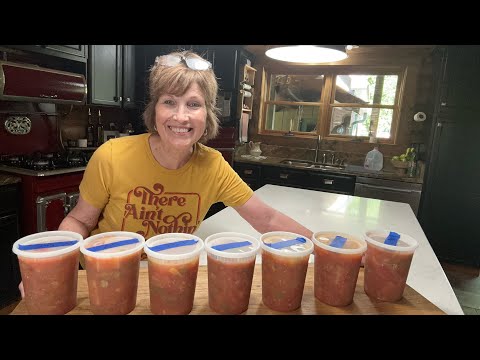
For longer storage, freeze the soup in airtight containers for about three to four months for best quality. Dumplings can become softer after freezing and thawing. For the best texture, freeze the chicken and broth before adding dumplings, then make fresh dumplings when you reheat it. Thaw frozen soup in the refrigerator or reheat it directly from frozen over low heat, stirring as it loosens.
Reheat soup on the stove over medium-low heat, stirring gently and adding broth or water if needed. Heat leftovers to 165°F, checking the temperature in several places, and avoid a vigorous boil. If reheating in a microwave, cover loosely, stir partway through, and check that the soup is hot throughout.
Frequently Asked Questions
What does knoephla mean?
Knoephla refers to the small dough dumplings in this soup. Spelling and pronunciation can vary, but the dumplings are the defining feature: tender pieces cooked directly in the broth.
Can I make the dumplings without a knife?
Yes. Pinch off small pieces of dough with lightly floured fingers and drop them into the simmering soup. Keep the pieces similar in size so they cook evenly, and avoid making them much larger than a small bite.
Can I use boneless chicken?
Yes, but bone-in chicken gives the broth more flavor. With boneless chicken, use the same amount of prepared broth and cook the chicken until it reaches 165°F. Remove it, cut it into pieces, and return it to the soup near the end so it does not dry out.
Do I have to peel the potatoes?
No. Scrub the potatoes thoroughly and leave the skins on if you prefer. Peeling russets gives a smoother-looking soup, while unpeeled Yukon Golds add color and keep their shape well.
Can I prepare the soup without dairy?
For a dairy-free soup, use water or an unsweetened, unflavored dairy-free alternative in the dough, and omit the milk or cream at the end. The broth will be less creamy but will still have body from the potatoes and dumplings.
How can I tell when the dumplings are done?
They should look puffed and set, with no wet, floury center when one is cut open. A large dumpling should reach 160°F in the center. If it is still gummy inside, simmer the soup a little longer and check again.
Can I make the soup thicker?
Let it stand off the heat for a few minutes, since the potatoes and dumplings naturally thicken the broth. If you want more thickness, gently mash a few potato pieces against the side of the pot and stir them in. Add broth if it becomes thicker than you want.
Can I freeze the dumplings separately?
Cooked dumplings are best stored with the soup, though their texture may soften after thawing. For a firmer result, freeze the soup without dumplings and cook a fresh batch in the reheated broth.