
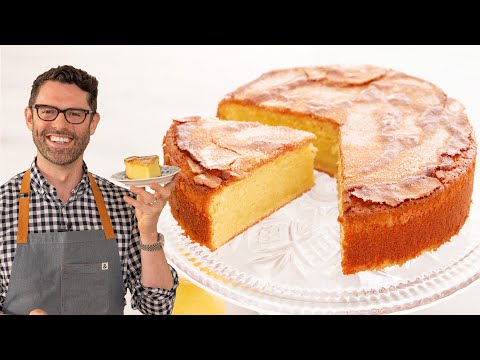
This olive oil pound cake is a tender, generously sized cake with a fine crumb and a soft, moist center. It bakes in a Bundt pan, slices neatly, and needs no frosting to make a satisfying dessert or afternoon treat.
Olive oil supplies richness while buttermilk keeps the crumb supple and adds a gentle tang. Vanilla rounds out the flavor; optional citrus zest gives the cake a bright note. Choose an extra virgin olive oil whose flavor you enjoy on its own, since it remains noticeable in the finished cake.
Why This Recipe Works
Oil stays liquid at room temperature, so this cake remains tender even after it cools. Unlike a butter cake, it does not depend on beating softened fat and sugar to trap air. Instead, whisking the oil and sugar with the eggs makes a smooth, well-combined base that helps the cake bake evenly.
Buttermilk contributes moisture and acidity. That acidity works with the baking soda to help the batter rise, while baking powder provides additional lift. The combination matters: baking soda alone would not give this batter the same dependable rise, and too much mixing after the flour goes in can make the crumb firm.
Alternating the dry ingredients with the buttermilk helps them incorporate without prolonged mixing. Starting and ending with flour also leaves the batter cohesive. A properly prepared Bundt pan lets the cake release cleanly and gives the batter room to rise without risking an overfilled loaf pan.
Ingredients
- 1 cup extra virgin olive oil
- 1 ½ cups granulated sugar
- 4 large eggs, preferably at room temperature
- 2 teaspoons pure vanilla extract
- 2 cups all-purpose flour, spooned into the measuring cup and leveled
- 1 teaspoon baking powder
- 1 teaspoon baking soda
- ½ teaspoon salt
- 1 cup buttermilk, at room temperature, or 1 cup regular milk mixed with 1 tablespoon vinegar or lemon juice
- 1 tablespoon finely grated zest from 1 medium lemon or orange, optional
Ingredient Notes
Olive oil: Extra virgin olive oil gives the cake its characteristic fruity, grassy, or peppery notes, depending on the oil. A mild or medium-fruity oil is a good choice if you want the cake’s flavor to stay subtle. A strongly bitter or pungent oil will be more prominent. Do not substitute an infused oil unless you specifically want its added flavor.
Flour and leaveners: All-purpose flour gives the cake enough structure to hold its shape while staying tender. Measure it by spooning it lightly into the cup and leveling the top rather than packing it down. Baking powder and baking soda should be fresh; old leaveners can leave a cake dense or slow to rise. The salt sharpens the vanilla and olive oil flavors.
Eggs: Eggs bind the batter and support its structure. Room-temperature eggs blend more readily into the oil mixture than cold ones. If you forgot to take them out, place them in a bowl of warm—not hot—water for about 10 minutes before cracking.
Buttermilk: Buttermilk adds moisture and a mild tang, and its acidity is part of the leavening balance. For a quick substitute, stir 1 tablespoon vinegar or lemon juice into 1 cup milk and leave it for 5 to 10 minutes. It may look slightly curdled; that is fine. Plain milk without the acid is not an equivalent substitute for this recipe.
Vanilla and zest: Pure vanilla adds warmth without covering the olive oil. Lemon or orange zest is optional, but it makes the cake taste brighter. Grate only the colored outer peel; the white pith underneath can taste bitter.
Instructions
- Prepare the pan and oven. Set a rack in the center of the oven and heat it to 350°F. Grease a 10-cup Bundt pan thoroughly, including the center tube and all the grooves, then dust it lightly with flour and tap out the excess. A thin, even coating helps the cake release; missed spots are more likely to stick. If your pan has a reliable nonstick coating, grease it well rather than assuming it needs no preparation.
- Combine the dry ingredients. In a medium bowl, whisk together the flour, baking powder, baking soda, and salt for about 30 seconds, breaking up any small lumps. The mixture should look evenly blended, which helps distribute the leaveners throughout the cake rather than leaving concentrated pockets.
- Mix the oil, sugar, and eggs. In a large bowl, whisk the olive oil and sugar until combined, then whisk in the eggs one at a time. Add the vanilla and optional zest. The mixture should look smooth and slightly thick, with no streaks of yolk or separate pools of oil. If it appears a little uneven, keep whisking briefly; adding the ingredients gradually helps the oil and eggs form a more cohesive mixture.
- Finish the batter gently. Add about one-third of the flour mixture to the oil mixture and stir just until most of the dry flour disappears. Stir in half the buttermilk, then another third of the flour, the remaining buttermilk, and the remaining flour. Mix on low speed or by hand only until the last dry streaks disappear, scraping the bowl once if needed. The batter should be thick but pourable. A few small lumps are preferable to overmixing, which can make the cake tough.
- Fill the pan and bake. Scrape the batter evenly into the prepared Bundt pan and smooth the surface. Bake at 350°F for 45 to 55 minutes. Begin checking at 45 minutes: the top should be golden, the cake should spring back lightly when touched, and a skewer inserted into the thickest part should come out clean or with a few moist crumbs, not wet batter. If the skewer is coated in batter, bake for another 5 minutes and check again. If using an instant-read thermometer, the center should be about 200–205°F when the cake is done.
- Cool, then turn out. Set the pan on a wire rack and leave the cake in it for 15 minutes. This brief rest lets the structure firm up enough to release, while cooling too long in the pan can make the cake stick. Run a thin, flexible spatula gently around any exposed edges, invert the pan onto the rack, and lift it away. Let the cake cool completely before slicing; cutting it warm can compress the crumb.
Servings: 12 slices. Prep time: 20 minutes. Cook time: 45–55 minutes. Total time: about 1 hour 15 minutes, not including cooling.
Tips for Success
- Use a pan with enough room. A 10-cup Bundt pan is a good fit for this batter. If you do not have one, use a tube pan with similar capacity. Do not fill a smaller pan to the brim; leave room for the cake to rise and bake any extra batter separately in a small greased pan.
- Grease every contour. Use a pastry brush or your fingers to reach the center tube and grooves. Flour the pan after greasing, then tap out loose flour so the finished cake does not have a thick coating.
- Bring the cold ingredients closer to room temperature. Eggs and buttermilk that are not refrigerator-cold blend more easily with the oil. This can help the batter look smooth instead of separated.
- Measure flour lightly. Scooping straight from a packed bag can add too much flour. Spoon it into the measuring cup, then level it with a straight edge for a more tender result.
- Do not beat after adding the flour. Mix only until no dry patches remain. The batter does not need to be whipped; extra mixing develops gluten and can make the cake chewy.
- Use the skewer test as well as the clock. Ovens and Bundt pans vary. Start checking at 45 minutes, but let the cake’s center—not the timer alone—tell you when it is done.
- Let the cake cool before wrapping or glazing. Trapped warmth creates condensation, which can make the surface damp. Cooling fully also gives the crumb time to settle for cleaner slices.
Troubleshooting
The cake sticks to the pan. The pan may not have been greased thoroughly, or the cake may have cooled in it too long. Next time, brush grease into every groove and dust with flour. Let the baked cake rest for about 15 minutes, then invert it while it is still slightly warm. If a small piece stays behind, ease it out and patch it onto the cake; a dusting of powdered sugar can disguise minor damage.
The center is wet while the outside is dark. The oven may run hot, or the pan may be too small or dark. Check the oven with an oven thermometer if you have one. Tent the top loosely with foil if it is browning too quickly, then continue baking until a skewer comes out without wet batter. Use the recommended pan capacity next time.
The cake is dense or gummy. Too much flour, overmixing, or removing the cake before the center is baked through can all cause a heavy crumb. Measure flour carefully, stop mixing as soon as it is incorporated, and check the center in more than one spot.
The cake has a strong or bitter olive oil flavor. Olive oil varies in intensity. The flavor is part of the cake, but a particularly robust or peppery oil can dominate. Choose a milder extra virgin olive oil next time, or add the optional citrus zest to balance its savory edge.
The top cracked. A modest crack on the top of a Bundt cake is common and usually not a problem; it will be on the bottom once the cake is inverted. A deep crack can result from a hot oven or batter that was overmixed. Check the oven temperature and mix more gently once flour is added.
The cake looks oily or separated before baking. Cold eggs or buttermilk can make an oil-based mixture look uneven. Whisk the eggs in one at a time and allow refrigerated ingredients to warm slightly. A small amount of visual separation is not always a failure, but the finished batter should be evenly mixed after the flour and buttermilk are added.
Variations
Lemon or orange: Add the zest of one medium lemon or orange as listed, and serve with a simple powdered-sugar dusting. For a more pronounced citrus aroma, rub the zest into the granulated sugar with your fingertips before mixing; this releases the fragrant oils in the peel.
Almond: Replace ½ teaspoon of the vanilla with ½ teaspoon almond extract. Almond extract is concentrated, so keep the amount modest to avoid overpowering the olive oil.
Warm spice: Add ½ teaspoon ground cinnamon or ¼ teaspoon ground cardamom to the dry ingredients. These spices suit the cake’s rich flavor without changing the batter method.
Simple glaze: Once the cake is completely cool, whisk powdered sugar with a small amount of lemon juice or milk until it falls from a spoon in a thin ribbon. Drizzle over the cake and allow the glaze to set before slicing. Add liquid a little at a time; a thin glaze spreads much farther than a thick one.
Loaf-pan option: The full batch is best suited to a Bundt or tube pan. For loaf pans, divide the batter between two greased 8½-by-4½-inch pans and begin checking around 40 minutes at 350°F. Bake until the centers pass the same doneness checks; pan materials and ovens affect the exact time. Avoid putting the entire batch into one standard loaf pan.
What to Serve With It
Serve slices plain with coffee or tea, or add fresh berries for a light, tart contrast. A spoonful of softly whipped cream or thick plain yogurt makes the cake feel more like a plated dessert without covering its flavor. Citrus segments, macerated strawberries, or a few spoonfuls of fruit compote also pair well, especially when the cake is made with lemon or orange zest.
The cake is rich enough to stand on its own, so keep toppings simple. If serving it after a meal, slice it shortly before bringing it to the table and add any cream or fruit at the last moment to keep the cake’s surface from becoming soggy.
Make-Ahead, Storage and Reheating
Bake the cake a day ahead if convenient. Cool it completely, then wrap it well or place it in an airtight container. For conservative food handling, refrigerate it within 2 hours of baking or serving, and keep it covered in the refrigerator for 3 to 4 days. Let a slice sit briefly at room temperature before serving if you prefer a softer texture.
To freeze, wrap the cooled, unglazed cake tightly in plastic wrap and then foil, or freeze individual wrapped slices in an airtight container. Freeze for up to 2 to 3 months for best quality. Thaw the whole cake, still wrapped, in the refrigerator overnight or thaw individual slices in the refrigerator. Add glaze or powdered sugar after thawing.
This cake is usually pleasant at room temperature and does not need reheating. If you want a warm slice, heat it briefly just before serving. For refrigerated leftovers that you choose to reheat, follow USDA leftover guidance and heat them to 165°F; use a thermometer if checking the temperature, and avoid prolonged heating that can dry the crumb.
Frequently Asked Questions
Can I taste the olive oil in the cake?
Yes. The flavor is present, though it is softened by sugar, eggs, vanilla, and buttermilk. A mild extra virgin olive oil gives a subtler result; a fruity, peppery oil makes its character more noticeable.
Can I use regular milk instead of buttermilk?
Use 1 cup milk mixed with 1 tablespoon vinegar or lemon juice, and let it stand for 5 to 10 minutes. This quick substitute adds acidity as well as liquid. Plain milk without vinegar or lemon juice changes the balance of the leavening.
Can I make this without citrus zest?
Yes. The zest is optional, and the cake will still have vanilla and olive oil flavor. If you leave it out, no other ingredient adjustment is needed.
Can I bake it in a loaf pan?
Use two standard 8½-by-4½-inch loaf pans rather than one, since the full batch is too much for most single loaf pans. Divide the batter evenly and start checking around 40 minutes at 350°F; bake longer if the centers are not set.
How do I know the cake is done?
The top should be golden and spring back lightly, and a skewer inserted in the thickest part should come out clean or with a few moist crumbs. Wet batter means it needs more time. If you use an instant-read thermometer, aim for about 200–205°F at the center.
Why did my cake sink in the middle?
A center can sink if the cake is underbaked, the oven door is opened early, or the leaveners are old or incorrectly measured. Avoid opening the oven until the cake is near its expected bake time, and check the center carefully before taking it out.
Can I make the batter ahead?
It is best to bake the batter soon after mixing. Once the wet and dry ingredients are combined, the leaveners begin working, so a long wait can reduce the cake’s lift. For easier timing, measure the dry ingredients and prepare the pan ahead, then mix and bake when ready.