
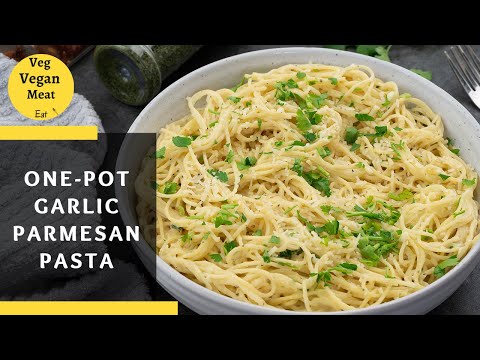
This one-pan butter Parmesan pasta cooks directly in a skillet, so the noodles absorb a savory mix of broth, garlic, and butter as they soften. A generous handful of Parmesan turns the remaining cooking liquid into a glossy, lightly creamy sauce—without cream or a separate pot of boiling water.
The key is to stir often, add a little hot water if the pan gets dry before the pasta is tender, and mix in the cheese off the heat. The result is buttery and savory, with a gentle garlic flavor and optional warmth from red pepper flakes. It is a useful weeknight dinner when you want familiar ingredients and minimal washing up.
Why This Recipe Works
Cooking pasta in broth gives the noodles time to take on flavor while releasing starch into the pan. That starch helps the liquid and melted butter come together into a sauce rather than leaving a puddle of broth beneath the pasta. The method is forgiving, but it does need attention: pasta shape, pan size, and heat all affect how quickly the liquid evaporates.
Starting the garlic briefly in butter seasons the cooking liquid, while keeping the heat moderate helps prevent the garlic from turning bitter. The pasta then simmers gently in broth and water. Stirring every minute or two helps it cook evenly and keeps noodles from clumping or sticking to the bottom.
Finally, the Parmesan goes in after the skillet comes off the heat. High, direct heat can make grated cheese clump or turn stringy; off-heat stirring gives it a better chance to melt smoothly. A splash of hot water loosens the sauce if it thickens before serving.
Ingredients
- 8 ounces dry pasta, such as spaghetti, fettuccine, or penne
- 4 tablespoons unsalted butter, divided
- 2 cups vegetable or chicken broth
- 2 cups water, plus up to 1 cup more if needed
- 1 cup finely grated Parmesan cheese
- 4 cloves garlic, minced
- 1 teaspoon red pepper flakes, optional
- 1/4 teaspoon fine salt to start, plus more to taste
- 1/4 teaspoon black pepper, plus more to taste
- 2 tablespoons chopped fresh parsley or basil, for garnish
Ingredient Notes
Pasta: Spaghetti, fettuccine, and penne all work, but they do not cook at identical speeds. Use the package timing as a guide, then taste for doneness. Long pasta may need to be eased into the skillet as it softens; snap spaghetti in half if that makes it easier to fit. Short pasta is simple to stir, though it can need a little more time or liquid depending on the brand and shape.
Broth and water: The broth supplies savory flavor; water keeps the finished sauce from becoming too salty or overpowering. Use vegetable broth for a meat-free version or chicken broth for a deeper savory note. Choose a lower-sodium broth if available, since Parmesan also contributes salt. Keep extra water hot so you can add it without slowing the simmer.
Butter: Unsalted butter lets you adjust the seasoning at the end. If you have salted butter, use it and wait until the pasta is cooked before adding more salt. Olive oil can replace some or all of the butter, but it will give the sauce a different flavor and less of a buttery finish.
Parmesan: Finely grated Parmesan melts more readily than thick shreds. A wedge grated just before cooking is convenient for a smooth sauce; pre-grated cheese can work, though it may not melt as evenly. Pecorino Romano is a sharper, saltier substitute, so add it gradually and taste before seasoning.
Garlic, pepper, and herbs: Fresh minced garlic gives the dish its aromatic base. Use 1/2 teaspoon garlic powder if fresh garlic is unavailable, stirring it into the broth rather than frying it. Red pepper flakes are optional; reduce the amount for mild pasta or leave them out. Parsley tastes fresh and clean, while basil gives a softer, sweet herbal finish. Add either at the end so its flavor stays bright.
Instructions
- Set up the pan and liquid. Use a deep 12-inch skillet or a wide sauté pan with a lid nearby. Measure the broth and water, and warm the extra cup of water in a kettle or small saucepan in case you need it. A wide pan gives the pasta room to move and helps the liquid reduce evenly; no oven is needed for this recipe.
- Soften the garlic. Melt 2 tablespoons of butter in the skillet over medium heat, about 1 minute. Add the minced garlic and red pepper flakes, if using, and stir for 30 to 45 seconds. Look for a fragrant smell and softened garlic, not browned bits. Garlic cooks quickly, so keeping it pale prevents a bitter taste.
- Bring the cooking liquid to a boil. Pour in the 2 cups broth and 2 cups water. Add the initial 1/4 teaspoon salt and 1/4 teaspoon black pepper. Increase the heat to high and bring the liquid to a boil, about 3 to 5 minutes depending on the pan and burner. A steady bubbling boil means it is ready for the pasta.
- Add the pasta and simmer. Add the pasta, separating strands with tongs or stirring to distribute short shapes. If using spaghetti or fettuccine, guide it into the skillet as the ends soften. Reduce the heat to medium-low so the liquid simmers steadily rather than boiling hard. Cook uncovered, stirring every 1 to 2 minutes, for the package’s stated time minus about 1 minute to start checking. The pasta should bend easily and be close to tender, with some liquid still visible in the pan.
- Adjust the liquid while the pasta cooks. If the pan looks nearly dry but the pasta is still firm, add hot water 1/4 cup at a time and stir. If the pasta is tender while there is more liquid than you want, simmer for another minute or two, stirring often. The useful cue is the pasta itself: taste a piece rather than relying only on the clock, because shapes and brands vary.
- Make the Parmesan sauce. Turn off the heat. Stir in the remaining 2 tablespoons butter until melted, then add the Parmesan in two or three handfuls, stirring between additions. The sauce should look glossy and cling to the pasta. If it becomes too thick, stir in hot water 1 tablespoon at a time; if it is loose, let it stand for 1 minute and stir again as the cheese and pasta starch thicken it.
- Taste and finish. Taste a strand or piece and add more salt or black pepper only if needed. Scatter the parsley or basil over the pasta and serve promptly. The sauce thickens as it sits, so loosen it with a splash of hot water if it has tightened while you set the table.
Tips for Success
- Choose a wide, deep pan. A 12-inch skillet gives long noodles room to soften and lets you stir without spilling. If your pan is smaller, break long pasta in half and keep a close eye on the liquid.
- Keep the simmer gentle. A rolling boil evaporates liquid quickly and can leave the pasta undercooked. Reduce the heat once the broth boils; look for regular, modest bubbles.
- Stir frequently, not constantly. Stir every minute or two, scraping across the bottom and separating strands. This limits sticking while giving the pasta time to cook evenly.
- Use hot water for adjustments. If the pasta needs more cooking liquid, hot water helps maintain the simmer. Add a small amount at a time; it is easier to add more than to reduce an overly soupy pan.
- Grate the cheese finely. Fine shreds disperse more easily in the warm sauce. Add the Parmesan off the heat and in stages for a smoother result.
- Season at the end, too. Broth and cheese vary in saltiness. Starting with a little salt and tasting after the Parmesan is mixed in helps avoid an oversalted dish.
- Serve soon after finishing. The sauce continues to thicken as it cools. Have bowls ready, and reserve a little hot water for loosening the pasta if needed.
Troubleshooting
The liquid is gone, but the pasta is still firm: Lower the heat if the pan is boiling hard, then add hot water 1/4 cup at a time. Stir and continue simmering until the pasta is tender. This is more likely with a fast-evaporating pan or a pasta shape that takes longer to cook.
The pasta is cooked, but the pan looks watery: Simmer for another minute or two, stirring, to reduce the liquid. You can also take the pan off the heat and let it stand briefly; the pasta will absorb some liquid and the sauce will thicken as it cools.
The Parmesan clumped: The pan may have been too hot, or the cheese may have gone in all at once. Remove the pan from the heat and stir in a tablespoon of hot water at a time. It may not become perfectly smooth, but gentle stirring can help the cheese disperse. Next time, use finely grated cheese and add it gradually off heat.
The sauce looks greasy: Butter and cheese can separate if the mixture is very hot or has too little water to help them combine. Take the pan off the heat and vigorously stir in a tablespoon or two of hot water. Add more only if needed.
The pasta stuck to the pan: Stir more often, especially during the first few minutes after adding the noodles. Scrape the bottom gently with a wooden spoon or heat-safe spatula. If the liquid is low, add hot water rather than increasing the heat.
The dish tastes too salty: Avoid adding more salt, and loosen the pasta with a little hot water. For next time, choose lower-sodium broth and let the Parmesan provide more of the final seasoning.
Variations
Add vegetables: Stir in a couple of handfuls of baby spinach after the pasta is tender; the residual heat will wilt it. For vegetables that need longer, such as sliced mushrooms or small broccoli florets, cook them in the skillet after the garlic and before adding the broth, then proceed with the recipe. Keep additions modest so there is still room for the pasta and liquid to cook evenly.
Add protein: Fold in cooked chicken, white beans, or cooked shrimp at the end, just long enough to heat through. If using raw meat or seafood, cook it separately or make sure it reaches a safe internal temperature: poultry should reach 165°F, and fish and shellfish should reach 145°F. Avoid crowding the skillet, which can make it harder to manage the pasta’s liquid.
Make it milder or hotter: Leave out the red pepper flakes for a mild version, or use less for a subtle warmth. For more heat, add extra flakes a pinch at a time at the end so you can judge the strength.
Change the herbs or cheese: Parsley keeps the flavor fresh; basil makes it more aromatic. A little lemon zest can brighten the finished pasta. Pecorino Romano can replace some or all of the Parmesan, but it is saltier and sharper, so taste before adding salt.
Make it richer: Stir in an extra tablespoon of butter at the end if you want a more buttery finish. Add it along with the Parmesan, off the heat, and use hot water as needed to keep the sauce loose.
What to Serve With It
This pasta can be the main dish on its own, especially with a simple green salad or a plate of sliced tomatoes and cucumbers. A crisp salad with a light vinaigrette balances the buttery sauce without competing with its garlic and Parmesan flavors. Steamed green beans, roasted broccoli, or sautéed zucchini are other straightforward sides.
For a more filling meal, serve it with cooked chicken or white beans, or add a piece of bread for catching the sauce. If you are serving it as a side, it pairs well with roasted vegetables or a simply seasoned main dish. Keep other salty components modest, since broth and Parmesan already season the pasta.
Make-Ahead, Storage and Reheating
This dish is best just after it is made because the pasta continues absorbing sauce as it rests. You can mince the garlic, grate the cheese, and measure the broth and water ahead, then cook the pasta shortly before serving. Fully cooked pasta can also be refrigerated for later: transfer leftovers to a shallow, covered container and refrigerate within 2 hours. Use refrigerated leftovers within 3 to 4 days.
To reheat, place a portion in a small skillet over low to medium-low heat with 1 to 2 tablespoons of water. Stir gently until hot throughout, adding another splash of water if the sauce is tight. You can also microwave it in a covered microwave-safe dish, stirring partway through and adding a little water as needed. Reheat leftovers to 165°F, checking the center with a food thermometer when practical.
For longer storage, freeze the pasta in a well-sealed container. Use frozen leftovers within 3 to 4 months for best quality, and thaw in the refrigerator before reheating. The texture may be softer after freezing, and the sauce can separate slightly; gentle reheating with a splash of water and frequent stirring helps bring it back together. Do not leave cooked pasta at room temperature for more than 2 hours.
Recipe Card
Servings: 4 Prep time: 5 minutes Cook time: 15–20 minutes Total time: 20–25 minutes
Ingredients
- 8 ounces dry spaghetti, fettuccine, or penne
- 4 tablespoons unsalted butter, divided
- 2 cups vegetable or chicken broth
- 2 cups water, plus up to 1 cup more if needed
- 1 cup finely grated Parmesan cheese
- 4 cloves garlic, minced
- 1 teaspoon red pepper flakes, optional
- 1/4 teaspoon fine salt, plus more to taste
- 1/4 teaspoon black pepper, plus more to taste
- 2 tablespoons chopped fresh parsley or basil
Instructions
- In a deep 12-inch skillet, melt 2 tablespoons butter over medium heat. Stir in garlic and optional red pepper flakes for 30–45 seconds, until fragrant but not browned.
- Add broth, 2 cups water, salt, and pepper. Bring to a boil over high heat, about 3–5 minutes.
- Add pasta. Reduce heat to medium-low and simmer uncovered, stirring every 1–2 minutes. Start checking at the package time minus 1 minute. Add hot water 1/4 cup at a time if the pan gets dry before the pasta is tender.
- Turn off the heat. Stir in the remaining 2 tablespoons butter, then add Parmesan in batches. Loosen with hot water a tablespoon at a time if needed.
- Taste, adjust salt and pepper, garnish with parsley or basil, and serve promptly.
Frequently Asked Questions
Can I use a different pasta shape?
Yes. Most dried pasta shapes can work, but cooking time and liquid needs vary. Choose a shape that fits your skillet, stir often, and use the package timing as a starting point rather than a guarantee. Add hot water in small amounts if the pasta needs more time after the liquid has reduced.
Can I make this without broth?
Yes. Use water in place of the broth, but the finished pasta will taste less savory. Taste it after adding the Parmesan and adjust the salt and pepper. A small amount of vegetable or chicken broth is useful for flavor, but it is not required for the cooking method.
Can I use salted butter?
Yes. Use the same amount, but leave out the initial salt until the pasta is cooked and the Parmesan is mixed in. Taste, then add a little salt only if it needs it.
Why does the recipe use both broth and water?
Broth adds flavor, while water gives the pasta enough liquid to cook without making the dish overly concentrated or salty. The exact amount the pasta absorbs depends on the shape, pan, and simmer, so the recipe includes extra hot water for small adjustments.
Can I make it in a regular saucepan?
Yes, if it is large enough to hold the pasta and allow room for stirring. A wide, deep skillet is convenient because long noodles fit more easily and liquid can reduce across a broad surface. In a narrower pot, break long pasta in half and check the liquid more often.
Can I make the pasta ahead for a gathering?
It is at its best freshly made, since the noodles continue absorbing sauce as they sit. If you need to cook ahead, refrigerate it promptly and reheat gently with a splash of water, stirring until hot throughout. You can also prepare the measured ingredients ahead and cook just before serving.
How can I make the sauce creamier without adding cream?
Use finely grated Parmesan, stir it in off the heat, and add hot water a tablespoon at a time until the sauce looks glossy and coats the noodles. The pasta’s released starch helps the butter and cheese form a cohesive sauce. A little extra butter can make the finish richer.
Is this recipe vegetarian?
It can be made with vegetable broth and Parmesan made without animal rennet, if that is important to you. Parmesan production varies, so check the cheese label. Chicken broth would make the dish unsuitable for a vegetarian meal.