
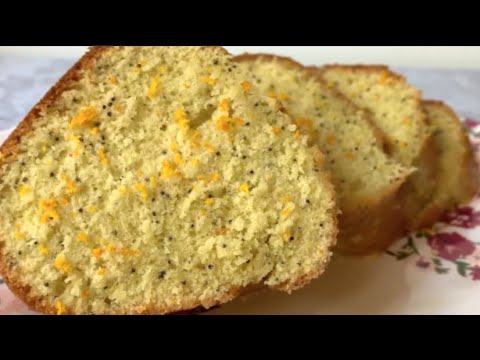
This Orange Poppyseed Bundt Cake is the kind of cake that looks like you fussed for hours but comes together in one bowl with a whisk. It’s a tender, fine-crumbed pound-style cake with a bright, sunny orange flavor that comes from a full cup of fresh juice in the batter, not just zest. Poppy seeds add a subtle crunch and a nutty pop, while a tangy orange glaze soaks into the warm cake and leaves a crackly, citrusy shell on top.
What makes this version work is the balance of moisture and structure. The sour cream and orange juice keep the crumb soft and springy, while the butter and eggs give it that rich, old-fashioned pound cake texture. It’s not overly sweet—the glaze provides the sweetness, and the cake itself is more about the aromatic orange and the gentle flavor of the seeds. It’s perfect for breakfast with coffee, an afternoon snack, or a simple dessert with a dusting of powdered sugar or a dollop of whipped cream.
Why This Recipe Works
Using freshly squeezed orange juice (about 2-3 medium oranges) instead of bottled juice makes a real difference. Fresh juice has brighter, more volatile citrus oils that perfume the whole cake, while bottled juice can taste flat or slightly bitter. The acid in the juice also reacts with the baking soda and baking powder, giving the cake a gentle lift and a tender crumb.
The sour cream is a secret weapon here. It adds moisture and a slight tang that complements the orange, but more importantly, it provides fat that coats the flour proteins, preventing them from developing too much gluten. This results in a cake that’s tender, not tough, and it also helps the cake stay moist for days. The batter is thick but pourable, which means you don’t need a stand mixer—just a bowl and a whisk.
Finally, the glaze is applied while the cake is still slightly warm. This allows the glaze to seep into the top crust, creating a thin, sweet, citrusy layer that contrasts with the soft interior. As the glaze sets, it firms up into a delicate, crackly shell that’s both beautiful and delicious.
Ingredients
- 2 cups all-purpose flour (spooned and leveled)
- 1 tablespoon poppy seeds
- 1 teaspoon baking powder
- 1/2 teaspoon baking soda
- 1/4 teaspoon salt
- 1/2 cup unsalted butter, softened (1 stick)
- 1 cup granulated sugar
- 3 large eggs, at room temperature
- 1/4 cup sour cream, at room temperature
- 1 cup freshly squeezed orange juice (about 2-3 medium oranges), at room temperature
Ingredient Notes
All-purpose flour: This gives the cake structure without making it too dense. For a lighter crumb, you can replace 1/2 cup of the all-purpose flour with cake flour, but keep the total at 2 cups.
Poppy seeds: They add a nutty, slightly sweet flavor and a pleasant crunch. There’s no need to soak them; they’ll soften slightly during baking. If you want a more intense poppy flavor, you can toast them in a dry pan for 1-2 minutes before adding, but it’s not necessary.
Baking powder and baking soda: The combination gives a balanced rise. Baking powder works immediately and in the oven, while baking soda reacts with the acid in the orange juice and sour cream, helping to neutralize the tang and create a fine, even crumb.
Unsalted butter: Use unsalted so you control the salt level. If you only have salted butter, reduce the added salt to 1/8 teaspoon. Make sure it’s truly softened—not melted—so it creams properly with the sugar.
Sour cream: Full-fat sour cream gives the best texture. Greek yogurt or plain whole-milk yogurt can be substituted 1:1, but the cake may be slightly less tender. If using non-fat yogurt, add 1 tablespoon of butter or oil to compensate for the missing fat.
Orange juice: Freshly squeezed is non-negotiable for the best flavor. You’ll need about 2-3 large oranges. If you have leftover zest, you can add a teaspoon to the batter for extra aroma, but it’s not in the original recipe.
Instructions
- Preheat the oven to 350°F (175°C). Generously grease a 10-12 cup Bundt pan with butter or non-stick baking spray that contains flour (like Baker’s Joy). Make sure you get into all the crevices—this is the most important step to ensure the cake releases cleanly. You can also dust the greased pan with a little flour and tap out the excess.
- In a medium bowl, whisk together the flour, poppy seeds, baking powder, baking soda, and salt. Set aside. This ensures the leaveners and seeds are evenly distributed throughout the flour, so you don’t get pockets of baking powder or a clump of poppy seeds in one slice.
- In a large bowl, beat the softened butter and sugar together until light and fluffy. You can use a hand mixer or a stand mixer with the paddle attachment, or even a sturdy whisk if you’re feeling strong. Beat for 2-3 minutes, scraping down the sides, until the mixture is pale and creamy. This incorporates air, which helps the cake rise and gives it a tender texture.
- Add the eggs one at a time, beating well after each addition. The batter should look smooth and slightly glossy. If the batter looks curdled, don’t worry—it will come back together once you add the flour. Make sure each egg is fully incorporated before adding the next.
- Beat in the sour cream. It will look like it’s not mixing in smoothly at first, but keep beating until it’s fully combined and the batter is uniform.
- Add half of the flour mixture and mix on low speed (or with a spatula) until just combined. Then add the orange juice and mix until the batter is smooth. Finally, add the remaining flour mixture and mix until no streaks of flour remain. Do not overmix—once the flour is in, stop as soon as it’s combined. Overmixing develops gluten, which can make the cake tough.
- Pour the batter into the prepared Bundt pan. Use a spatula to spread it evenly, and give the pan a few gentle taps on the counter to release any air bubbles. This helps prevent large holes in the finished cake.
- Bake for 45-55 minutes, or until a toothpick inserted into the center comes out clean. The top should be golden brown, and the cake should start to pull away from the sides of the pan. If the top is browning too quickly, you can tent it loosely with foil after 30 minutes. The internal temperature of the cake should read around 200-205°F (93-96°C) on an instant-read thermometer, if you have one.
- Let the cake cool in the pan for 15-20 minutes. This allows the structure to set and makes it easier to remove. Then, invert the cake onto a wire rack. If it doesn’t come out immediately, gently tap the bottom of the pan or shake it a little. If it’s really stuck, let it cool for another 5 minutes and try again.
- While the cake is still warm (but not hot), make the glaze. In a small bowl, whisk together 1 cup powdered sugar (confectioners’ sugar) with 2-3 tablespoons of fresh orange juice until smooth. You want a thick but pourable consistency—it should coat the back of a spoon. If it’s too thick, add a few more drops of juice; if too thin, add a little more sugar.
- Drizzle the glaze over the warm cake. Use a spoon or a small measuring cup to pour it slowly over the top, letting it run down the sides. The warmth will help the glaze soak in slightly, creating a delicious crust. Let the cake cool completely on the rack before serving.
Servings: 12 slices. Prep time: 20 minutes. Cook time: 50 minutes. Total time: 1 hour 10 minutes (plus cooling).
Tips for Success
- Grease the pan thoroughly, especially the center tube and the fluted edges. Use a pastry brush to get into every nook and cranny. A well-greased pan is the difference between a beautiful cake and a crumbled mess.
- Bring all cold ingredients to room temperature. Eggs, sour cream, and orange juice should sit out for 30 minutes before starting. This ensures they emulsify into the batter smoothly, creating a uniform texture. Cold ingredients can cause the batter to curdle or result in a dense cake.
- Measure flour correctly. Spoon the flour into your measuring cup and level it off with a knife. Scooping directly from the bag can pack in too much flour, making the cake dry. If you have a kitchen scale, 2 cups of all-purpose flour weighs about 240 grams.
- Don’t overmix the batter. Once you add the flour, mix just until it disappears. Overmixing develops gluten, which makes the cake tough and chewy instead of tender.
- Use fresh orange juice. This is the flavor of the whole cake. Bottled juice often has added sugar and preservatives that alter the taste. Squeeze 2-3 oranges and you’ll have exactly the cup you need.
- Let the cake cool in the pan for exactly 15-20 minutes. Too short, and it will fall apart; too long, and the steam will make it stick to the pan. Set a timer if you need to.
- Glaze while warm, not hot. If the cake is too hot, the glaze will melt and run off completely. If it’s too cool, it won’t soak in at all. A 10-minute wait after inverting is usually perfect.
Troubleshooting
Why did my cake stick to the pan? This is usually due to insufficient greasing. Make sure you use a generous amount of butter or baking spray, and get into all the grooves. Also, make sure you let the cake cool for the full 15-20 minutes—if you try to remove it too early, it will tear. If it still sticks, you can try running a thin knife around the edges before inverting.
Why is my cake dry? Overbaking is the most common cause. Check the cake at 45 minutes, and if the toothpick has a few moist crumbs but no wet batter, it’s done. Also, make sure you measured the flour correctly—too much flour can dry it out. Finally, don’t skip the sour cream; it provides necessary moisture.
Why did my cake sink in the middle? This can happen if the oven door was opened too early (before the cake had set), or if the batter was overmixed, which can weaken the structure. Also, make sure your baking powder and baking soda are fresh—they lose potency over time. Test by adding a teaspoon to hot water; it should bubble vigorously.
Why is my cake dense and heavy? This is often caused by undermixing the butter and sugar—you need to beat them until light and fluffy. Also, make sure your eggs are at room temperature; cold eggs can cause the batter to seize. Finally, don’t overmix the flour, as that can develop gluten and make the cake tough.
Why did the glaze turn out too thin or too thick? The glaze consistency depends on the ratio of sugar to juice. If it’s too thin, add more powdered sugar a tablespoon at a time. If it’s too thick, add a few drops of orange juice. It should be like thick honey—pourable but not watery.
Why is my cake not rising? Check the freshness of your leaveners. Baking powder and baking soda lose their effectiveness after about 6 months. Also, make sure your oven is actually at 350°F—use an oven thermometer to verify.
Why does my cake have a crack on top? This is completely normal for Bundt cakes. It happens because the outside sets faster than the inside, and the expanding batter finds a weak point. It’s not a flaw—the glaze will cover it, and it won’t affect the taste.
Variations
Lemon Poppyseed: Substitute the orange juice with an equal amount of fresh lemon juice (about 3-4 lemons). Use lemon zest in the glaze instead of orange. The tartness of lemon pairs beautifully with the poppy seeds.
Orange Almond: Add 1/2 teaspoon of almond extract along with the eggs, and replace 1/4 cup of the flour with 1/4 cup of finely ground almond flour. This adds a nutty, marzipan-like flavor that complements the orange.
Gluten-Free: Replace the all-purpose flour with a 1:1 gluten-free baking flour blend (one that contains xanthan gum). The texture will be slightly more crumbly, but the flavor will be just as good. Make sure to let the cake cool completely before slicing to help it hold together.
Extra Citrus: Add 1 tablespoon of orange zest to the batter along with the sour cream. This intensifies the orange flavor. You can also add a teaspoon of orange blossom water to the glaze for a floral note.
No Glaze: If you prefer a less sweet cake, skip the glaze and simply dust the cooled cake with powdered sugar. Or, serve it with a dollop of lightly sweetened whipped cream and fresh orange segments.
What to Serve With It
This cake is wonderful on its own, but it’s also great with a few simple accompaniments. Serve slices with a cup of Earl Grey tea or a strong coffee for breakfast or brunch. For dessert, add a spoonful of vanilla bean ice cream or a drizzle of warm crème anglaise. A few fresh berries—raspberries or sliced strawberries—add a nice contrast to the citrusy cake. If you’re feeling indulgent, spread a little mascarpone cheese or clotted cream on each slice.
Make-Ahead, Storage and Reheating
Make-Ahead: The cake can be baked a day ahead. Do not glaze it; wrap it tightly in plastic wrap once completely cool, and store at room temperature. Glaze it the next day before serving.
Storage: Store the glazed cake in an airtight container at room temperature for up to 3 days. The glaze may soften slightly, but the cake will stay moist. If you live in a humid climate, you might want to refrigerate it to prevent mold, but bring it to room temperature before serving.
Freezing: You can freeze the unglazed cake for up to 3 months. Wrap it tightly in plastic wrap, then in a layer of aluminum foil. Thaw overnight in the refrigerator, then bring to room temperature before glazing and serving. If you freeze a glazed cake, the glaze may become sticky, so it’s best to freeze without.
Reheating: To refresh slices, warm them in a 300°F (150°C) oven for 5-8 minutes, or microwave for 15-20 seconds. This will make the cake taste freshly baked. If you’re reheating a whole cake, wrap it in foil to prevent drying.
Frequently Asked Questions
Can I use bottled orange juice instead of fresh? You can, but the flavor will be less vibrant. Bottled juice often has added sugar and a slightly cooked taste. If you must use bottled, look for one labeled “not from concentrate” and avoid those with added flavors. You can also add a teaspoon of orange zest to the batter to boost the flavor.
Can I make this cake in a loaf pan instead of a Bundt pan? Yes, you can. Grease a 9×5-inch loaf pan and bake at 350°F (175°C) for 55-65 minutes, or until a toothpick comes out clean. The baking time will be longer because the batter is deeper. Start checking at 55 minutes.
Do I need to sift the flour? No, you don’t need to sift. Just whisk it together with the other dry ingredients to remove any lumps and distribute the leaveners. Sifting is only necessary if your flour is very lumpy.
Can I use a different type of citrus? Absolutely. Lime, lemon, or a mix of orange and lemon work well. Just remember that lemon and lime are more tart, so you might want to reduce the glaze sugar slightly if you prefer a less sweet finish. Grapefruit is also nice, but it’s more bitter, so taste the juice first.
Can I add more poppy seeds? You can increase the poppy seeds to 2 tablespoons if you really love them, but be careful—too many can make the cake taste slightly bitter and dry. The 1 tablespoon in the recipe is balanced.
Why is my cake not browning on top? If your cake is pale on top, it may be baked too low in the oven, or your oven might run cool. Try moving the rack to the center or lower-middle position. You can also increase the oven temperature by 25°F (about 15°C) if you know your oven runs cool.
Can I make this cake dairy-free? Yes, you can substitute the butter with a plant-based butter (like Earth Balance) and the sour cream with a dairy-free yogurt or coconut cream. The texture may be slightly different, but it will still be delicious. Make sure your plant-based butter is softened properly.
How do I know when the cake is done without a thermometer? Insert a toothpick or a thin skewer into the thickest part of the cake. If it comes out clean (no wet batter, but a few moist crumbs are fine), it’s done. You can also press gently on the top—if it springs back, it’s ready.