
Pasta sauce and pizza sauce both start with tomatoes, but they are built for different jobs. This recipe makes a gently simmered tomato, garlic, onion, basil, and oregano sauce for pasta, plus a quicker, more tomato-forward sauce for pizza.
The pasta sauce is soft, savory, and spoonable; the pizza sauce tastes brighter and more concentrated under cheese and toppings. Make both side by side, then use the pasta sauce with noodles and the pizza sauce on a homemade pie to see the difference for yourself.
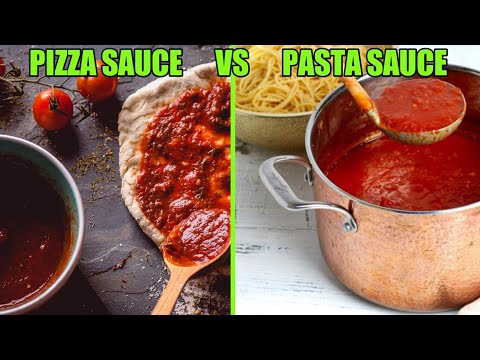
Why This Recipe Works
The main distinction is texture and cooking time. Pasta sauce simmers long enough for onion and garlic to mellow and for the tomatoes to become a cohesive sauce. A small amount of olive oil helps carry the aromatic flavors, while basil and oregano add a rounded, familiar finish. The sauce should coat pasta rather than run off it.
Pizza sauce stays simpler. Crushed canned tomatoes, a little garlic, olive oil, and restrained oregano keep the tomato flavor in front. It is not simmered before going onto the dough: the sauce cooks as the pizza bakes, so it remains fresh-tasting and does not become overly thick or jammy in the oven.
Using canned tomatoes makes the two sauces easy to compare in any season. Choose plain tomatoes without added seasoning so you can control the salt and herbs. The pasta sauce makes enough for four servings, while the pizza sauce is enough for one 12-inch pizza.
Ingredients
- 1 tablespoon olive oil, for the pasta sauce
- 1 small yellow onion, about 4 ounces, finely diced
- 3 medium garlic cloves, minced, for the pasta sauce
- 1 can (28 ounces) crushed tomatoes, preferably unseasoned
- 1 teaspoon dried oregano, for the pasta sauce
- 1/2 teaspoon dried basil, or 1 tablespoon chopped fresh basil
- 3/4 teaspoon fine salt, plus more to taste, for the pasta sauce
- 1/4 teaspoon black pepper
- 1/2 cup water, as needed to loosen the pasta sauce
- 1 can (14 to 15 ounces) whole peeled tomatoes, with their juice, for the pizza sauce
- 1 small garlic clove, finely grated or minced, for the pizza sauce
- 1 tablespoon olive oil, for the pizza sauce
- 1/2 teaspoon dried oregano, for the pizza sauce
- 1/2 teaspoon fine salt, or to taste, for the pizza sauce
- 1 pinch red pepper flakes, optional
- 12 ounces dried pasta, such as spaghetti, rigatoni, or penne
- 1 pound prepared pizza dough, for a 12-inch pizza
- 6 ounces low-moisture mozzarella, shredded, for the pizza
- 1 tablespoon finely grated Parmesan, optional, for serving
Ingredient Notes
Tomatoes: Plain canned crushed tomatoes give the pasta sauce a consistent texture without extra blending. If you have whole peeled tomatoes instead, crush them by hand or with a potato masher. For pizza sauce, whole peeled tomatoes are easy to crush to the slightly textured consistency that spreads well on dough. If the can is unusually watery, spoon off a little liquid; you can add it back if the sauce seems too thick.
Onion and garlic: Onion is part of the fuller pasta sauce, where it softens during simmering. Finely dice it so it cooks evenly. The pizza sauce leaves onion out to keep the tomato flavor prominent. Use a microplane for the pizza-sauce garlic if you want it to disperse evenly, or omit it for a very clean tomato flavor.
Herbs: Dried oregano gives both sauces a steady savory note. Dried basil works in the pasta sauce; fresh basil is best stirred in near the end so its aroma stays lively. If you have Italian seasoning, use it in place of the dried oregano and basil in the pasta sauce, but check its ingredients before adding more salt.
Olive oil and seasoning: Olive oil rounds out the sauces, but a neutral cooking oil can replace it in the pasta sauce. Salt levels vary among canned tomatoes, so taste before adding extra. Red pepper flakes are optional and bring gentle heat, not a defining flavor.
Pasta and pizza dough: Use the pasta shape you have; ridged or hollow shapes hold thicker sauce especially well. Prepared pizza dough can be refrigerated or frozen according to its package directions. Low-moisture mozzarella releases less water than fresh mozzarella, which helps keep the center of the pizza from turning soggy.
Instructions
- Start the pasta sauce. Set a medium saucepan over medium heat and add 1 tablespoon olive oil. Add the diced onion and cook for 5 to 7 minutes, stirring often, until softened and translucent but not browned. The onion should bend easily when pressed with a spoon; softening it first prevents a raw, sharp flavor in the finished sauce.
- Add garlic and dried seasoning. Stir in the 3 minced garlic cloves and 1 teaspoon oregano. Cook for about 30 seconds, just until fragrant. Keep the pan moving; garlic should smell savory, not turn brown, because browned garlic can make the sauce taste bitter.
- Simmer the pasta sauce. Add the crushed tomatoes, 3/4 teaspoon salt, and black pepper. Bring the mixture to a gentle simmer, then lower the heat and cook uncovered for 20 to 25 minutes, stirring every few minutes. Look for small, steady bubbles and a sauce that has thickened enough to cling to a spoon. If it gets thicker than you like, stir in water a few tablespoons at a time.
- Finish and taste. Stir in the dried basil, or wait and add chopped fresh basil just before serving. Taste and adjust the salt. The sauce should taste rounded rather than sharply raw; simmer for another 5 minutes if the tomato flavor still seems harsh. Keep it warm over low heat while you make the pizza sauce and cook the pasta.
- Make the pizza sauce. Put the whole peeled tomatoes and their juice in a bowl. Crush them with clean hands, a fork, or a potato masher until no large whole tomatoes remain. Stir in the grated garlic, 1 tablespoon olive oil, 1/2 teaspoon oregano, salt, and optional red pepper flakes. Let it stand for 10 to 15 minutes. It should be spreadable but still have a little texture; resting gives the garlic time to mingle with the tomatoes without cooking the sauce.
- Cook the pasta. Bring a large pot of water to a boil, salt it, and cook the pasta according to the package directions until al dente. Check a piece a minute before the listed time: it should be tender with a slight firmness at the center, not crunchy. Reserve 1 cup of pasta water, then drain. Toss the pasta with enough warm pasta sauce to coat it, loosening the sauce with a splash of reserved water if needed. Starchy water helps the sauce cling to the noodles.
- Bake the pizza. Heat the oven to 475°F (245°C), or to the highest temperature allowed by your dough instructions. If using a pizza stone or steel, preheat it according to its manufacturer’s directions. Stretch the dough into a 12-inch round on a lightly floured surface. Spread about 1/2 to 3/4 cup pizza sauce in a thin layer, leaving a small border; use less if the sauce looks especially wet. Add the mozzarella. Bake on a preheated sheet pan or pizza surface for about 10 to 14 minutes, checking early. The crust should be browned at the edges and underneath, and the cheese should be melted with a few browned spots. Oven performance and dough thickness affect the time.
- Serve. Plate the pasta with Parmesan, if using, and cut the pizza after it has rested for a few minutes. Compare the sauces: pasta sauce should cling to the noodles, while the pizza sauce should sit in a thin layer beneath the cheese without making the crust wet.
Tips for Success
- Keep the pasta sauce at a gentle simmer, not a hard boil. A slow simmer softens the onion and thickens the tomatoes without splattering as much or scorching the bottom.
- Do not cook the pizza sauce on the stove for this version. Its short rest is enough to blend the flavors, and the oven will cook it on the pizza.
- Use a thin layer of pizza sauce. Too much moisture can soften the dough before the crust browns, especially in the center.
- Drain pasta only after reserving some cooking water. Add the water gradually; a little often gives the sauce a silkier, better-clinging finish.
- Season the pasta sauce after it has simmered. Tomato flavor concentrates as water evaporates, so salting heavily at the beginning can leave it too salty.
- If using fresh basil, tear or chop it and add it at the end. Long cooking dulls its fresh aroma.
- For a crisper pizza base, preheat a heavy sheet pan upside down and carefully slide the topped dough onto it, or use a properly preheated pizza stone or steel.
Troubleshooting
The pasta sauce tastes too acidic or sharp: Simmer it for another 5 to 10 minutes and taste again. Longer cooking can mellow the flavor. A small pinch of sugar is optional if the tomatoes remain particularly tart, but do not use sugar to mask undercooked onion or garlic.
The pasta sauce is too thick: Stir in hot water or reserved pasta water a tablespoon or two at a time until it loosens. For a thinner sauce served without pasta, add water gradually and recheck the seasoning.
The sauce is watery on the plate: Simmer the pasta sauce uncovered for a few more minutes, stirring so it does not catch. If the pizza sauce is watery, drain off some tomato juice before crushing; do not compensate by piling on more cheese.
The pizza tastes raw or too garlicky: Raw garlic is more noticeable in uncooked pizza sauce than in simmered pasta sauce. Use half a clove next time, or let the mixed sauce stand 20 to 30 minutes before spreading it. Avoid adding extra raw garlic at the last moment.
The pizza center is soft: Use less sauce and cheese, make sure the oven and baking surface are fully hot, and avoid wet toppings. If the center is still pale, give the pizza another minute or two and check the underside before removing it.
The pasta tastes bland after tossing: Add a little salt to the sauce or pasta water next time, and make sure the pasta is coated while hot. A spoonful of reserved pasta water can help the sauce adhere, but it will not replace proper seasoning.
Variations
For a chunkier pasta sauce, use hand-crushed whole tomatoes rather than crushed tomatoes. For a smoother result, blend the finished sauce briefly with an immersion blender, keeping the blender head submerged to limit splashing. Add a pinch of red pepper flakes to the onion while it cooks for gentle heat.
To make the pasta sauce richer, stir in a small knob of butter at the end or finish individual bowls with grated Parmesan. For a fresher flavor, add chopped parsley or basil just before serving. If you prefer a more herb-forward pizza sauce, add another pinch of oregano, but keep the layer thin and the tomato flavor clear.
You can also use the pizza sauce as a quick dip for breadsticks or as a base for a simple flatbread. The pasta sauce works over baked potatoes or spooned onto cooked vegetables. If you want to use one sauce for both, choose the pasta sauce and spread it sparingly on pizza; it will be softer and more seasoned than the focused pizza sauce here.
What to Serve With It
Serve the pasta with a green salad dressed with vinegar or lemon to balance the richness, plus garlic bread if you want a more substantial meal. Roasted zucchini, broccoli, or mushrooms are easy vegetable sides. If serving both pasta and pizza, cut the pizza into small slices and treat it as a tasting alongside modest bowls of pasta.
For the pizza, a simple salad is usually enough. Avoid serving it with several heavy sides if you want the difference between the sauces to remain the focus. Parmesan is welcome on the pasta, but taste first: the sauce may already have enough salt.
Make-Ahead, Storage and Reheating
Make either sauce up to 3 days ahead and refrigerate it promptly in a covered container. Keep the pasta sauce and uncooked pizza sauce separate. For food safety, refrigerate perishable food within 2 hours of cooking or preparation, and use a refrigerator set at 40°F (4°C) or below. Discard sauce that has been left out longer than that.
Both sauces can be frozen in airtight, freezer-safe containers for about 3 to 4 months for best quality. Leave a little room at the top for expansion. Thaw frozen sauce in the refrigerator, then heat the pasta sauce in a saucepan until steaming hot, stirring often. The no-cook pizza sauce can be thawed in the refrigerator and used cold on the dough; stir it well and pour off excess liquid if it has separated.
Refrigerate leftover cooked pasta or pizza within 2 hours and use within 3 to 4 days. Reheat leftovers until they reach 165°F (74°C), checking the center. Warm pasta gently in a covered pan with a splash of water, stirring until hot throughout. Reheat pizza in a 375°F (190°C) oven for about 8 to 12 minutes, checking that the center is hot; timing depends on slice size and how cold it is.
Recipe Card
Servings: 4 servings of pasta sauce, plus enough pizza sauce for one 12-inch pizza
Prep time: 15 minutes
Cook time: 35 minutes, plus 10 to 14 minutes to bake the pizza
Total time: About 50 minutes, depending on whether you make the pizza
Ingredients
- 1 tablespoon olive oil, for pasta sauce
- 1 small yellow onion (about 4 ounces), finely diced
- 3 medium garlic cloves, minced, for pasta sauce
- 1 can (28 ounces) crushed tomatoes
- 1 teaspoon dried oregano and 1/2 teaspoon dried basil, or 1 tablespoon fresh basil
- 3/4 teaspoon fine salt, plus more to taste, and 1/4 teaspoon black pepper
- 1/2 cup water, as needed
- 1 can (14 to 15 ounces) whole peeled tomatoes with juice, for pizza sauce
- 1 small garlic clove, grated or minced, for pizza sauce
- 1 tablespoon olive oil, 1/2 teaspoon dried oregano, and 1/2 teaspoon fine salt, for pizza sauce
- 1 pinch red pepper flakes, optional
- 12 ounces dried pasta
- 1 pound prepared pizza dough
- 6 ounces shredded low-moisture mozzarella
- 1 tablespoon finely grated Parmesan, optional
Condensed steps
- For pasta sauce, soften onion in olive oil over medium heat for 5 to 7 minutes. Add minced garlic and oregano; stir for 30 seconds.
- Add crushed tomatoes, salt, and pepper. Simmer gently, uncovered, for 20 to 25 minutes, stirring often. Thin with water if needed, then finish with basil and adjust seasoning.
- For pizza sauce, crush the whole peeled tomatoes with their juice and stir in garlic, olive oil, oregano, salt, and optional pepper flakes. Rest for 10 to 15 minutes.
- Boil pasta until al dente according to the package directions. Reserve 1 cup pasta water, drain, then toss with warm pasta sauce and a splash of water as needed.
- Heat oven to 475°F (245°C). Stretch dough to 12 inches, spread with 1/2 to 3/4 cup pizza sauce, add mozzarella, and bake for 10 to 14 minutes until the crust is browned and cheese is melted.
Frequently Asked Questions
What is the main difference between pasta sauce and pizza sauce?
Pasta sauce is usually cooked and seasoned to be eaten in a generous amount with noodles. Pizza sauce is typically simpler and spread in a thinner layer; it cooks on the pizza as the crust bakes.
Can I use pasta sauce on pizza?
Yes. Spread it thinly so the crust does not become soggy. It will taste more rounded and may be thicker or more heavily seasoned than a simple pizza sauce.
Can I use pizza sauce on pasta?
You can, but it may taste sharper and less developed because it has not simmered with onion and herbs. Simmer it gently for 10 to 15 minutes, taste, and adjust the seasoning before tossing it with pasta.
Does pizza sauce have to be uncooked?
No. Some cooks simmer it, and prepared sauces vary. This version is not pre-cooked because its straightforward tomato flavor works well when the sauce cooks directly on the pizza.
Can I make pizza sauce with fresh tomatoes?
Yes, but fresh tomatoes vary in water content and flavor. Peel and crush ripe tomatoes, then drain excess liquid if needed so the sauce is thick enough to spread in a thin layer. Canned tomatoes are a convenient, consistent option.
Why is my pizza sauce thicker or thinner than expected?
Tomato varieties and canning liquid vary. If it is too thin, drain off some liquid before seasoning; if it is too thick, stir in a spoonful of tomato juice. Aim for a sauce that spreads easily without running across the dough.
Can I leave onion out of the pasta sauce?
Yes. The sauce will be less sweet and savory, but it will still work. Minced shallot can stand in for onion; cook it until soft before adding garlic and tomatoes.
How much pizza sauce should I put on a 12-inch pizza?
Start with 1/2 cup and add up to 3/4 cup if the dough can take it. Spread it thinly and leave a border. A light, even layer is more reliable than a thick center that can prevent the crust from crisping.