
This Thai-inspired peanut chicken salad brings together tender chicken, crisp vegetables, leafy greens, and a creamy, tangy peanut dressing. It makes a colorful lunch or an easy dinner, with enough crunch and substance to feel like a full meal.
This version works because the dressing is balanced rather than merely rich: lime and rice vinegar brighten the peanut butter, while ginger, garlic, and a little chili add savory warmth. Keep the vegetables dry and dress the salad just before serving for fresh, crisp bites from the first forkful to the last.
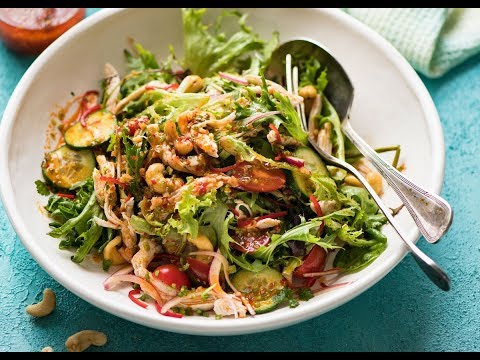
Why This Recipe Works
The salad combines ingredients with different textures on purpose. Cabbage, carrot, bell pepper, and cucumber stay crisp, while tender chicken and soft greens make the bowl satisfying. Cutting the vegetables into thin, similar-sized pieces helps them mix evenly and makes the salad easier to eat.
The dressing is made separately so you can adjust its thickness and balance before it touches the greens. Peanut butter gives it body; lime juice and rice vinegar cut through that richness; honey rounds off the sharper notes. Warm water loosens the mixture without diluting its flavor as quickly as a large pour of oil would.
Finally, adding the dressing at the table—or tossing it through the salad just before serving—keeps the greens from wilting. The peanuts go on last so they retain their crunch.
Ingredients
- 2 cups cooked chicken breast, shredded or diced
- 4 cups mixed salad greens, such as romaine, spinach, and arugula
- 1 cup shredded red cabbage
- 1 cup julienned or shredded carrots
- 1 medium red bell pepper, thinly sliced
- 1/2 cup sliced cucumber
- 1/4 cup chopped green onions
- 1/4 cup chopped fresh cilantro
- 1/4 cup chopped peanuts, for garnish
- 1/3 cup creamy or natural peanut butter
- 2 tablespoons fresh lime juice
- 1 tablespoon unseasoned rice vinegar
- 1 tablespoon soy sauce
- 1 tablespoon honey
- 1 teaspoon toasted sesame oil
- 1 teaspoon finely grated fresh ginger
- 1 small garlic clove, finely grated or minced
- 2 to 4 tablespoons warm water, as needed
- 1/4 teaspoon red pepper flakes, or to taste
Ingredient Notes
Chicken: Cooked chicken breast keeps the preparation quick and takes on the dressing well. Shredded chicken blends into the salad; diced chicken gives you more distinct pieces. Leftover roast or poached chicken works, as does store-bought cooked chicken. If starting with raw chicken, the optional oven method in the instructions gives you a clear doneness target.
Greens and crunchy vegetables: Romaine provides a sturdy crunch, while spinach and arugula bring softer leaves and a peppery note. Use any combination you like, keeping the total at 4 cups. Green or savoy cabbage can stand in for red cabbage, and finely sliced snap peas can replace some of the bell pepper or cucumber. If using cucumber with a very watery center, remove the seeds before slicing.
Peanut dressing: Creamy peanut butter makes a smooth dressing. Natural peanut butter can separate, so stir it thoroughly before measuring. Lime juice supplies fresh acidity; lemon works if that is what you have. Rice vinegar has a mild flavor, but apple cider vinegar can substitute in the same amount. Use tamari instead of soy sauce for a gluten-free option, checking the label. Honey can be replaced with maple syrup.
Ginger, garlic, and chili: Fresh ginger and garlic give the dressing a lively, aromatic edge. If needed, use 1/4 teaspoon ground ginger in place of the fresh ginger, though the flavor will be less bright. Red pepper flakes are easy to adjust or omit. A small amount of chili sauce can also be used, but taste before adding extra salt because prepared sauces can be salty.
Peanuts and herbs: Chopped peanuts reinforce the dressing’s flavor and add a crisp finish. Toasted peanuts are especially fragrant; cool them before sprinkling over the salad. Cilantro contributes a fresh, citrusy note. If you do not care for it, use extra green onion or a little fresh mint instead.
Instructions
- If you need to cook the chicken, heat the oven to 400°F (200°C). Put 1 pound of boneless, skinless chicken breast in a baking dish and season lightly with salt and pepper if desired. Bake for about 20 to 25 minutes, checking the thickest part with an instant-read thermometer. The chicken is ready when it reaches 165°F (74°C); thickness affects the time, so use temperature rather than the clock alone. Rest it for 5 to 10 minutes, then shred or dice. If your chicken is already cooked, skip this step and keep it refrigerated until you assemble the salad.
- Make the dressing. In a bowl, whisk together the peanut butter, lime juice, rice vinegar, soy sauce, honey, sesame oil, ginger, garlic, and red pepper flakes. The mixture will look thick at first. Whisk in warm water 1 tablespoon at a time until it is pourable but still coats a spoon. This gradual adjustment keeps the dressing creamy; add more lime or vinegar if it tastes too sweet or rich.
- Prepare the vegetables. Wash the greens and vegetables, then dry them thoroughly. Shred the cabbage, julienne or shred the carrots, thinly slice the bell pepper and cucumber, and chop the green onions and cilantro. Look for dry leaves and evenly cut pieces; excess water can dilute the dressing and make it slide off.
- Check and season the dressing. Taste a small amount with a piece of carrot or cabbage. It should taste savory, nutty, and bright, with heat at the level you prefer. Add a teaspoon of warm water if it is too thick, a little lime juice or vinegar if it tastes heavy, or a small drizzle of honey if it is too sharp. This tasting step matters because peanut butter and soy sauce vary in saltiness and sweetness.
- Build the salad. Put the greens, cabbage, carrots, bell pepper, cucumber, green onions, cilantro, and chicken in a large serving bowl. Toss gently with clean hands or salad servers until the ingredients are distributed. The bowl should look colorful, with chicken and vegetables spread throughout rather than settled at the bottom.
- Dress just before serving. Add about two-thirds of the dressing and toss. Add more a little at a time until the leaves and vegetables are lightly coated; you may not need every drop. The salad should look glossy, not pooled with sauce. Keeping some dressing back lets each person add more at the table.
- Finish and serve. Scatter the chopped peanuts over the top and serve promptly. They should stay crisp, and the greens should still look upright rather than limp. If preparing individual portions, divide the salad among bowls and drizzle each with dressing instead of tossing the whole batch.
Tips for Success
- Dry the produce well. A salad spinner or clean kitchen towel removes water that would thin the dressing and make the greens soggy.
- Use a large bowl. Extra room makes it easier to toss without bruising the greens or sending thin slices over the edge.
- Adjust dressing by texture and taste. Peanut butter thickness differs by brand and storage. Add warm water gradually, then balance the flavor with lime, vinegar, or honey as needed.
- Let hot chicken cool before it meets the greens. Warm chicken is fine, but piping-hot chicken can wilt delicate leaves. For a chilled salad, cool cooked chicken promptly in a shallow container and refrigerate it.
- Keep the garnish separate until serving. Peanuts lose their crunch when they sit in dressing, so add them at the end.
- Cut vegetables with the serving in mind. Thin strips of cabbage and pepper are easier to lift with greens than large, thick pieces.
- Start with less dressing than you think you need. You can always add more, but an overdressed salad is difficult to rescue. Serve extra on the side.
Troubleshooting
The dressing is too thick to pour. Whisk in warm water a teaspoon or tablespoon at a time until it flows from a spoon. If it becomes too mild, restore the balance with a little lime juice or rice vinegar.
The dressing tastes too sharp. Add a small amount of honey and taste again. A little more peanut butter can also soften the acidity, but thin the dressing afterward if needed.
The dressing tastes flat or overly rich. Add lime juice or rice vinegar a little at a time. If it needs more savory depth, add a small splash of soy sauce, tasting as you go.
The salad is watery. Drain or blot the vegetables, especially cucumber, and dry the greens thoroughly. If the salad is already dressed, serve it promptly and avoid adding more dressing.
The greens wilted. They may have been wet, dressed too early, or combined with chicken while it was very hot. For the next batch, dry the produce, cool the chicken, and wait to dress the salad until just before serving.
The chicken is dry. Chicken breast can dry out if cooked beyond 165°F. Slice or shred it and toss it with a spoonful of dressing before adding it to the salad. For another batch, check the thickest part early and let the chicken rest before cutting.
Variations
Make it spicier: Increase the red pepper flakes, or add a small amount of minced fresh chili to the dressing. Add in small increments so the heat does not overwhelm the lime and peanut flavor.
Change the protein: Use cooked turkey in place of chicken. For a vegetarian bowl, replace the chicken with drained, pan-seared tofu or edamame; keep any cooked substitute separate until it has cooled enough not to wilt the greens.
Add more crunch: Toss in sliced snap peas, thinly sliced radishes, or extra cabbage. Keep the total volume manageable so the dressing can coat the ingredients without becoming scarce.
Make it gluten-free: Use tamari or a clearly labeled gluten-free soy sauce. Check the labels on all packaged ingredients if gluten avoidance is important.
Make it dairy-free: The listed ingredients are dairy-free as written, but check packaged products such as peanut butter and any alternative sauces for their labels.
Make it a noodle bowl: Add cooled cooked rice noodles and loosen the dressing with a little extra warm water. Keep the greens and noodles separate until serving if you want the leaves to remain crisp.
What to Serve With It
This salad can be a meal on its own, especially when it has a generous portion of chicken. For a heartier spread, serve it with steamed jasmine rice or a small bowl of rice noodles. Plain rice is useful alongside the salad because it complements the bold dressing without adding another strong flavor.
For a lighter meal, pair it with a simple broth-based soup or fresh fruit. If serving a group, set out extra lime wedges, dressing, and chopped peanuts so people can adjust their portions. Keep the peanuts separate from any serving intended for someone with a peanut allergy.
Make-Ahead, Storage and Reheating
Make ahead: Cook and cool the chicken, prepare the vegetables, and mix the dressing up to a day ahead. Store each component in its own covered container in the refrigerator. Keep the greens dry and the peanuts at room temperature in a sealed container. Assemble and dress the salad just before serving.
Refrigeration: Once dressed, the salad is best eaten right away because the greens soften. Refrigerate leftover salad promptly in a covered container and use it within 3 to 4 days, though its texture will decline. Perishable food should not sit at room temperature for more than 2 hours, or more than 1 hour when the temperature is above 90°F (32°C). Keep the refrigerator at 40°F (4°C) or below.
Chicken and dressing: Refrigerate cooked chicken in a covered container and use it within 3 to 4 days. Store the dressing separately in the refrigerator for up to 4 days; peanut butter may firm up when cold, so stir in a little warm water to loosen it. If reheating chicken for a warm topping, heat it to 165°F (74°C), then let it cool briefly before placing it on the greens.
Freezing: Do not freeze the assembled salad; the greens and fresh vegetables will lose their crisp texture. Cooked chicken can be frozen separately in a suitable airtight container for about 2 to 6 months for best quality. Thaw it in the refrigerator and use promptly. The dressing may separate or change texture after freezing, so making it fresh is preferable.
Recipe Card
Servings: 4
Prep time: 20 minutes
Cook time: 20 to 25 minutes if cooking chicken from raw; otherwise 0 minutes
Total time: About 45 minutes if cooking chicken from raw; about 20 minutes with cooked chicken
Ingredients
- 2 cups cooked chicken breast, shredded or diced
- 4 cups mixed salad greens
- 1 cup shredded red cabbage
- 1 cup julienned or shredded carrots
- 1 medium red bell pepper, thinly sliced
- 1/2 cup sliced cucumber
- 1/4 cup chopped green onions
- 1/4 cup chopped fresh cilantro
- 1/4 cup chopped peanuts
- 1/3 cup peanut butter
- 2 tablespoons lime juice
- 1 tablespoon rice vinegar
- 1 tablespoon soy sauce
- 1 tablespoon honey
- 1 teaspoon toasted sesame oil
- 1 teaspoon grated fresh ginger
- 1 small garlic clove, grated or minced
- 2 to 4 tablespoons warm water
- 1/4 teaspoon red pepper flakes, or to taste
- Optional, if cooking chicken from raw: 1 pound boneless, skinless chicken breast, plus salt and pepper to taste
Condensed Instructions
- If needed, bake chicken at 400°F (200°C) for about 20 to 25 minutes, until the thickest part reaches 165°F (74°C). Rest 5 to 10 minutes, then shred or dice.
- Whisk peanut butter, lime juice, rice vinegar, soy sauce, honey, sesame oil, ginger, garlic, and red pepper flakes. Thin with warm water until pourable; taste and adjust.
- Wash and thoroughly dry the greens and vegetables. Slice or chop as listed.
- Combine greens, vegetables, herbs, and chicken in a large bowl. Toss with enough dressing to coat lightly.
- Top with chopped peanuts and serve promptly, with extra dressing on the side.
Frequently Asked Questions
Can I use leftover chicken?
Yes. Shredded or diced leftover cooked chicken works well. Keep it refrigerated until you assemble the salad, and make sure it has been stored safely. If it is cold, you can serve it cold or warm it separately to 165°F (74°C), then let it cool briefly before adding it to the greens.
Can I make the peanut dressing ahead?
Yes. Mix it up to 4 days ahead and refrigerate it in a covered container. It may thicken as it chills; whisk in warm water a little at a time until it is pourable, then taste and adjust the lime, vinegar, or honey.
Can I use crunchy peanut butter?
Yes. It will make the dressing less smooth, but the flavor still works. If you use crunchy peanut butter, you may want to reserve some of the measured chopped peanuts for the garnish rather than adding extra crunch to the dressing.
How do I keep the salad crisp for lunch?
Pack the dry greens and vegetables, chicken, dressing, and peanuts separately. Refrigerate the perishable components and toss them together just before eating. A small leakproof container is useful for the dressing.
What can I use instead of cilantro?
Leave it out or replace it with chopped fresh mint or a little extra green onion. The salad will still have plenty of flavor from the peanut dressing, lime, and vegetables.
Is this salad spicy?
With 1/4 teaspoon of red pepper flakes, the dressing has gentle heat, though flakes vary. Omit them for a mild version or add more gradually if you prefer a hotter salad.
Can I make it without soy sauce?
Use tamari or a gluten-free soy sauce if you want a similar savory flavor. Coconut aminos can also be used, but they are typically sweeter, so reduce the honey at first and adjust after tasting.
Can I serve the chicken warm?
Yes. Warm chicken is pleasant with the cool, crisp vegetables, but let it rest after cooking and avoid adding it piping hot to delicate greens. Toss it with a little dressing separately or arrange it on top of each bowl.