
This classic vanilla pound cake has a fine, tender crumb and a buttery, gently sweet flavor. A small amount of baking powder gives it a little lift, while the rich batter keeps the close texture that makes pound cake so satisfying.
The dependable method is simple: use room-temperature ingredients, cream the butter and sugar thoroughly, and mix the flour in just until combined. Bake the batter in a prepared Bundt pan until the center is set and a tester comes out clean. Serve slices plain, or add berries and softly whipped cream.
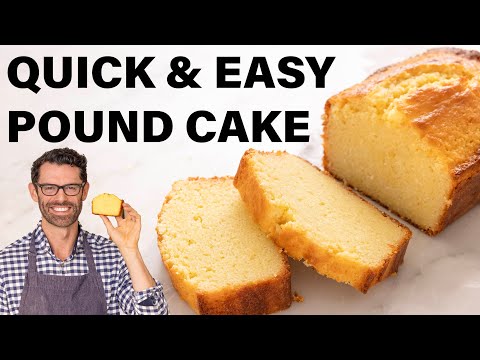
Why This Recipe Works
Softened butter can trap air as it is beaten with sugar. That air expands in the oven and helps give this dense-style cake a lighter, even crumb. The butter should be soft enough to leave a shallow fingerprint when pressed, but not shiny, greasy, or partly melted; melted butter cannot cream properly.
Room-temperature eggs and milk blend more smoothly into the creamed butter. Cold ingredients can make the mixture look curdled, although a slightly uneven-looking batter is not necessarily ruined. Adding the eggs one at a time gives each one a chance to emulsify into the fat before the next goes in.
All-purpose flour gives the cake enough structure to hold its shape, while a modest amount of baking powder adds lift without making it airy like a sponge cake. Alternating the dry ingredients with milk helps the batter come together evenly. Once the flour is added, gentle mixing matters: too much mixing can make the crumb firm and chewy.
A moderate oven temperature gives the middle time to bake before the exterior becomes too dark. The finished cake should be deeply golden, pulling slightly from the pan at the edges, with a wooden tester inserted into the center coming out clean or with a few dry crumbs.
Ingredients
- 1 1/2 cups (340 g) unsalted butter, softened, plus extra for greasing the pan
- 2 1/2 cups (500 g) granulated sugar
- 5 large eggs, at room temperature
- 3 cups (375 g) all-purpose flour, measured by spooning into the cup and leveling
- 1/2 teaspoon baking powder
- 1/2 teaspoon fine salt
- 2 teaspoons pure vanilla extract
- 1/2 cup (120 ml) whole milk or heavy cream, at room temperature
- 1 to 2 tablespoons all-purpose flour, for dusting the greased pan
Ingredient Notes
Butter: Unsalted butter lets you control the seasoning and gives the cake its main flavor. If you only have salted butter, use it and omit the added salt. Do not soften butter in a way that melts it; cut it into pieces and let it sit at room temperature until pliable.
Sugar: Granulated sugar is the reliable choice for a balanced flavor and a fine crumb. Superfine sugar can be used in the same amount. Light brown sugar can replace some or all of the granulated sugar, but it adds moisture and a mild molasses flavor, so the texture and color will change.
Eggs: Large eggs provide structure, richness, and moisture. For a quick way to take the chill off, place the eggs in their shells in a bowl of warm—not hot—water for about 10 minutes. Do not use hot water, which can begin to cook them.
Flour: All-purpose flour is traditional here and gives the cake a sturdy, sliceable crumb. Spoon it into the measuring cup and level the top rather than scooping directly from the bag, which can pack in too much. Cake flour is not a direct substitute in this formula because it produces a more delicate, less sturdy crumb.
Baking powder and salt: The small amount of baking powder provides a gentle rise; this is not meant to be a tall, fluffy layer cake. Salt sharpens the butter and vanilla flavors. If using salted butter, leave out the salt rather than trying to guess how much is already in the butter.
Vanilla and milk or cream: Pure vanilla extract gives the cake a rounded, familiar flavor. Whole milk makes a tender crumb; heavy cream makes it a little richer. Either works in the same quantity. Lower-fat milk can be used, though the result may be slightly less rich.
Instructions
- Prepare the pan and oven. Set a rack in the middle of the oven and heat it to 325°F (165°C). Grease a 10- to 12-cup Bundt or tube pan thoroughly, including the center tube and all grooves. Dust with 1 to 2 tablespoons flour, turn the pan to coat, then tap out the excess. A thin, even coating helps prevent sticking. Set the pan aside.
- Combine the dry ingredients. Whisk the flour, baking powder, and salt together in a medium bowl until the baking powder is evenly distributed. This prevents small pockets of leavener or salt in the finished cake. Set aside.
- Cream the butter and sugar. Using a stand mixer with the paddle attachment or a hand mixer, beat the softened butter on medium speed until smooth, about 1 minute. Add the sugar gradually and beat on medium speed for 4 to 5 minutes, stopping once or twice to scrape the bowl. The mixture should look pale, fluffy, and noticeably increased in volume. This step builds air into the batter, so do not rush it.
- Add the eggs gradually. With the mixer on medium-low, add the eggs one at a time, beating until each is incorporated before adding the next. Scrape the bowl after the third egg and again when needed. Add the vanilla with the final egg. The batter should look creamy; if it appears slightly curdled, continue with the recipe and avoid beating it aggressively.
- Mix in the flour and milk. With the mixer on low, add about one-third of the flour mixture, then half the milk. Repeat with another third of the flour and the remaining milk, finishing with the last of the flour. Mix only until the final streaks of flour disappear, stopping to scrape the bowl and its bottom with a spatula. A smooth, thick batter is right; prolonged mixing can make the cake tough.
- Fill the pan. Spoon the batter evenly into the prepared pan and smooth the top. Tap the pan gently on the counter once or twice to release large air pockets. The batter should sit evenly in the pan; do not fill it beyond the pan’s capacity. Wipe away any batter on the rim so it does not bake onto the pan.
- Bake until the center is set. Bake at 325°F (165°C) for 75 to 90 minutes. Start checking at 75 minutes, since pans and ovens vary. The cake is ready when it is deep golden, begins to pull away slightly from the sides, and a wooden pick inserted into the thickest part comes out clean or with a few dry crumbs. If the top is browning too quickly while the center is still wet, tent it loosely with foil and continue baking. The center should be fully baked, not wet or gummy.
- Cool, then turn out. Set the pan on a rack and let the cake cool in it for 15 minutes. This brief rest helps the cake firm up enough to release cleanly. Run a thin, flexible spatula around any exposed edges, place a rack over the pan, and carefully invert. Lift the pan away. If the cake resists, set the pan upright and give it a few more minutes before trying again. Let the cake cool completely before slicing so the crumb can settle.
Tips for Success
- Use the right pan size. A 10- to 12-cup Bundt or tube pan gives the batter room to rise. If your pan is smaller, divide the batter between pans rather than overfilling it; bake times will be shorter, so start checking early.
- Bring ingredients to room temperature. Butter, eggs, and milk at similar temperatures blend into a more even batter. If the butter is cold and firm, it will not cream well; if it is melted, it will not hold the same air.
- Measure flour carefully. Too much flour is a common reason for a dry, heavy cake. Weighing the flour is most precise; otherwise, spoon it lightly into the measuring cup and level it with a straight edge.
- Give creaming enough time. Beat the butter and sugar until visibly pale and fluffy, but scrape the bowl so no dense butter remains at the bottom. The aim is an even mixture, not simply a longer mixing time.
- Keep mixing gentle after the flour goes in. Use low speed and stop as soon as the batter is uniform. Finish any small unmixed streaks with a spatula rather than continuing to beat.
- Grease every groove. Use softened butter or baking spray that contains flour, then dust with flour if needed. A well-prepared pan makes a bigger difference to release than trying to turn out the cake while it is piping hot.
- Check the cake in more than one way. Color is useful, but it is not enough on its own. Test the deepest part with a wooden pick and look for a set center. If you use an instant-read thermometer, a cake’s center is usually done around 200–205°F; this is above the USDA’s 160°F safe minimum for egg dishes, but the visual and tester cues still help confirm the texture.
Troubleshooting
The cake sticks to the pan: The pan may not have been coated evenly, or the cake may have cooled too long before turning it out. Grease all grooves and dust with flour before filling. Let the baked cake rest for about 15 minutes, then loosen exposed edges and invert it. If it sticks, wait a few more minutes and try again rather than pulling hard.
The outside is dark but the center is underbaked: Oven temperatures can vary, and a dark or thin pan may brown quickly. Loosely cover the top with foil and continue baking until the center passes the tester check. Next time, use the middle rack and check that the oven is fully preheated.
The cake is dry or crumbly: Overmeasured flour, overbaking, or slicing before the cake has cooled can contribute. Measure flour by weight or spoon-and-level it, begin checking at 75 minutes, and let the cake cool completely before cutting.
The cake is dense with a tight or heavy crumb: Butter that was too cold, rushed creaming, cold eggs, or excess flour can keep the batter from becoming even and aerated. Soften the butter properly, cream until pale and fluffy, and add eggs one at a time. A pound cake is meant to be substantial, but it should not be gummy.
The batter looks curdled after adding eggs: This often happens when the eggs are cold or added too quickly. Continue with the dry and liquid ingredients as directed; the batter often comes together. For next time, bring the ingredients to room temperature and add eggs gradually.
The cake has a gummy line or tunnel near the bottom: A dense streak can result from underbaking, uneven mixing, or a pocket of flour at the bottom of the bowl. Scrape the bowl thoroughly during mixing and bake until the center is set. Check the cake in the thickest area, not just near the edge.
Variations
Lemon: Add 1 tablespoon finely grated lemon zest to the sugar and rub it in with your fingertips before creaming. The zest releases fragrant oils into the sugar. A little lemon juice can be served as a glaze ingredient, but avoid adding a large amount directly to the batter, which can change its balance.
Almond: Replace 1 teaspoon of the vanilla with 1 teaspoon almond extract. Almond extract is potent, so keep the amount modest. It pairs well with sliced almonds or fresh berries served alongside.
Warm spice: Whisk 1 teaspoon ground cinnamon into the dry ingredients. For a subtler variation, use 1/2 teaspoon cinnamon and a small pinch of ground nutmeg.
Chocolate swirl: Transfer about 1 cup of finished batter to a small bowl and stir in 2 tablespoons unsweetened cocoa powder sifted with 1 tablespoon milk. Spoon the plain and chocolate batters into the pan in alternating layers and gently draw a skewer through once or twice. Avoid over-swirling, which blends the contrast away.
Different sugar: Replace up to 1 cup of granulated sugar with light brown sugar for a gentle caramel note and a slightly moister crumb. The flavor and color will differ from the classic version; keep the rest of the formula unchanged for the first try.
What to Serve With It
This cake is rich enough to serve by itself with coffee, tea, or a glass of milk. For a simple dessert, add fresh strawberries, raspberries, or sliced peaches. Their bright flavor balances the buttery crumb without requiring a topping.
Softly whipped cream, a spoonful of fruit compote, or a light dusting of powdered sugar also works well. For a more substantial plated dessert, toast a slice briefly in a dry skillet until lightly golden and serve it warm with fruit. The cake is sweet on its own, so toppings are best kept simple.
Make-Ahead, Storage and Reheating
Bake the cake a day ahead if convenient. Once completely cool, wrap it tightly or store it in an airtight container at room temperature for up to 2 days. Keeping it covered helps prevent the cut surface from drying out. Do not wrap a warm cake; trapped steam can make the crust damp.
For longer storage, refrigerate the cake in an airtight container for 3 to 4 days. This follows the USDA’s general guidance for refrigerated leftovers; the cake may feel firmer when cold because its butter firms up. Let individual slices sit at room temperature for about 20 to 30 minutes before serving, or warm them briefly in a low oven until just warm. Avoid overheating, which can dry the crumb.
To freeze, wrap the fully cooled cake or individual slices tightly, then place them in a freezer-safe container or bag. For best quality, use within 2 to 3 months. Frozen food kept continuously at 0°F remains safe indefinitely, but quality can decline over time. Thaw wrapped slices in the refrigerator or at room temperature, then unwrap once thawed to reduce condensation on the surface.
Recipe Card
Servings: 12 to 16 slices
Prep time: 25 minutes
Cook time: 75 to 90 minutes
Total time: About 2 hours 45 minutes to 3 hours, including cooling
Ingredients
- 1 1/2 cups (340 g) unsalted butter, softened, plus extra for the pan
- 2 1/2 cups (500 g) granulated sugar
- 5 large eggs, at room temperature
- 3 cups (375 g) all-purpose flour, plus 1 to 2 tablespoons for the pan
- 1/2 teaspoon baking powder
- 1/2 teaspoon fine salt
- 2 teaspoons pure vanilla extract
- 1/2 cup (120 ml) whole milk or heavy cream, at room temperature
Instructions
- Heat the oven to 325°F (165°C). Grease and flour a 10- to 12-cup Bundt or tube pan.
- Whisk the flour, baking powder, and salt together.
- Beat the butter until smooth. Add the sugar gradually and beat for 4 to 5 minutes, until pale and fluffy.
- Add the eggs one at a time, beating after each addition. Mix in the vanilla.
- On low speed, add the flour mixture in three additions, alternating with the milk in two additions. Stop as soon as the batter is smooth.
- Spoon the batter into the pan and smooth the top. Bake for 75 to 90 minutes, until golden and a tester inserted in the center comes out clean or with a few dry crumbs.
- Cool in the pan for 15 minutes, then loosen the edges and turn the cake onto a rack. Cool completely before slicing.
Frequently Asked Questions
Can I make this pound cake without a stand mixer?
Yes. A hand mixer works well for creaming the butter and sugar and mixing in the eggs. You can also cream by hand with a sturdy wooden spoon, though it takes more effort. Mix the flour in gently with a spoon or spatula once the wet ingredients are combined.
Can I bake it in loaf pans instead of a Bundt pan?
Yes. Divide the batter between two greased and floured 9-by-5-inch loaf pans, filling them no more than about two-thirds full. Begin checking around 55 to 60 minutes, then continue baking as needed until the centers are set and testers come out clean. Pan material and oven differences affect the timing.
Why did my batter curdle after I added the eggs?
Cold eggs or adding them too quickly can make the butter mixture look curdled. It may still bake up well, so continue with the recipe and mix gently. For a smoother batter next time, bring the eggs to room temperature and add them one by one.
Can I use salted butter?
Yes. Use the same amount of butter and omit the 1/2 teaspoon of salt. Salt levels differ among brands, so removing the added salt is the simplest way to keep the cake from tasting overly salty.
How do I know when pound cake is done?
Look for a deep golden surface, slight separation from the pan at the edges, and a center that no longer looks wet. A wooden pick inserted into the thickest part should come out clean or with a few dry crumbs. If using a thermometer, the center is typically around 200–205°F when baked through.
Can I reduce the sugar?
You can reduce it somewhat, but sugar affects more than sweetness: it contributes to browning, moisture, and texture. A large reduction may make the cake drier and less tender. For a first bake, follow the listed amount; if you prefer a less sweet cake, try reducing by 1/4 cup and compare the result.
Can I freeze the whole cake?
Yes. Cool it completely, wrap it tightly, and place it in a freezer-safe container or bag. For best quality, use it within 2 to 3 months. Thaw it while wrapped so moisture collects on the wrapping rather than directly on the cake.
Why should the cake cool before I slice it?
The crumb is delicate while hot and can compress or break under a knife. Cooling lets the structure settle and makes cleaner slices. If you want a warm serving, slice the cooled cake and gently warm just the portion you plan to eat.