
Homemade chai tea concentrate is a strong, spiced black tea syrup you can mix with milk for a quick hot or iced chai. This stovetop version starts by simmering whole spices, then steeps the tea off the heat so it develops flavor without turning harsh.
The result is warmly aromatic, gently sweet, and bold enough to stand up to milk. Adjust the sweetness and the amount of milk in each cup to suit your taste, and keep a jar in the refrigerator for easy chai whenever you want it.
Why This Recipe Works
Whole spices release their aroma gradually in hot water. Simmering them before adding tea gives firm spices such as cinnamon, cloves, peppercorns, and cardamom time to infuse. Ginger adds fresh warmth, while optional star anise brings a subtle licorice note.
Black tea goes in after the pan comes off the heat. A short steep extracts flavor while limiting the astringency that can develop if tea leaves boil or steep for too long. Straining promptly keeps the spices and tea from continuing to infuse in the finished concentrate.
Making the concentrate without milk also makes it more versatile: you can add dairy or a nondairy alternative when serving, and store the plain concentrate separately. A modest amount of sugar rounds off the spices, but you can reduce it or leave it out and sweeten each drink individually.
Ingredients
- 4 cups water
- 1 cinnamon stick, about 3 inches long
- 8 green cardamom pods, lightly crushed
- 6 whole cloves
- 1 teaspoon whole black peppercorns
- 1 tablespoon peeled, thinly sliced fresh ginger
- 1 whole star anise, optional
- 6 black tea bags, or 2 tablespoons loose-leaf black tea
- 1/4 cup granulated sugar or packed brown sugar
- 1/8 teaspoon fine salt
- 1 teaspoon vanilla extract, optional
Ingredient Notes
Black tea: Assam, Ceylon, or another robust black tea makes a full-bodied concentrate that remains noticeable after milk is added. Tea bags are convenient; loose tea works just as well if you strain it through a fine-mesh sieve. Decaffeinated black tea is an easy swap. For a caffeine-free drink, use rooibos, noting that its flavor will be softer and not quite the same as black tea.
Cardamom and cinnamon: These create the familiar sweet, fragrant backbone. Green cardamom pods have a brighter aroma than ground cardamom. If using ground cardamom, add just 1/4 teaspoon with the tea; it will make the concentrate cloudier. If you do not have a cinnamon stick, use 1/2 teaspoon ground cinnamon, also added with the tea rather than simmered.
Cloves and peppercorns: Cloves bring a deep, warm note, and peppercorns give a mild, lingering bite. Keep the quantities modest at first; both can dominate if increased substantially. Use whole spices for a cleaner strained concentrate. Ground spices can be used in a pinch, but they leave sediment and are harder to strain out completely.
Ginger and star anise: Fresh ginger gives the blend a lively, peppery warmth. Leave the skin on if it is clean, or peel it for a smoother-looking concentrate. Star anise is optional and assertive, so one piece is enough. Omit it if you prefer a straightforward cinnamon-cardamom profile.
Sugar, salt, and vanilla: Sugar softens the spices and gives the concentrate a rounded taste. Brown sugar adds a light molasses note; use white sugar for a cleaner sweetness. Salt is only there to balance the flavor, not make the drink taste salty. Vanilla is optional and is best stirred in after straining. Honey or maple syrup can replace sugar, though each brings its own flavor.
Instructions
- Crush the cardamom. Put the pods on a cutting board and press them once with the flat side of a knife or the bottom of a sturdy cup, just until they split. Do not grind them to powder. The opened pods expose the seeds to the water while remaining easy to strain out.
- Simmer the whole spices. Add the water, cinnamon stick, crushed cardamom, cloves, peppercorns, ginger, and star anise, if using, to a medium saucepan. Bring to a boil over medium-high heat, then reduce the heat to maintain a gentle simmer, about 190–205°F if measured. Simmer uncovered for 10 minutes. The water should be fragrant and lightly colored, with small steady bubbles rather than a vigorous boil. This gives the spices time to infuse without boiling them aggressively.
- Sweeten the infusion. Remove the pan from the heat and stir in the sugar and salt until dissolved, about 30 seconds. The liquid should taste distinctly sweet and spiced on its own because milk will soften it. If you prefer less-sweet chai, start with 2 tablespoons sugar; you can add more after straining.
- Steep the tea. Add the tea bags or loose tea to the hot infusion. Cover the pan and steep for 4 minutes, then taste. If you want a stronger tea flavor, steep for 1 additional minute, but avoid a long steep: the liquid should taste robust, not mouth-drying or bitter. Taking the pan off the heat prevents the tea from boiling.
- Strain and finish. Lift out the tea bags without squeezing them, or pour the mixture through a fine-mesh sieve into a heat-safe bowl or measuring jug. Discard the solids. Stir in the vanilla, if using. The finished concentrate should smell aromatic and taste concentrated, with spice, tea, and sweetness all present. Let it cool promptly before refrigerating.
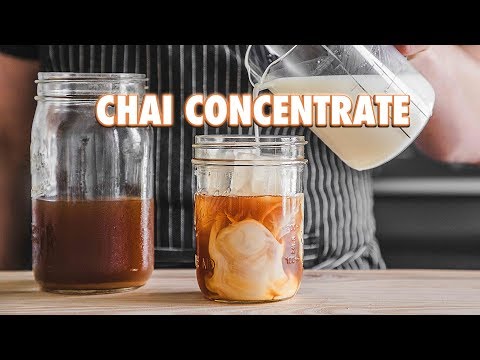
- Make a cup. For one serving, combine 1/2 cup concentrate with 1/2 cup milk in a small saucepan. Heat over medium-low heat, stirring, until steaming and hot but not boiling; for food-safety guidance when reheating stored leftovers, heat the drink to 165°F. For iced chai, mix 1/2 cup chilled concentrate with 1/2 cup cold milk and pour over ice. Taste and adjust the ratio to your preference.
Tips for Success
- Crack, do not pulverize, whole spices. A light crush opens cardamom and peppercorns but keeps small particles from clouding the concentrate or slipping through the strainer.
- Keep the spice simmer gentle. A rolling boil can drive off water quickly and make the liquid taste more forceful than intended. Look for small bubbles and a steady, fragrant infusion.
- Steep tea by taste and time. Start at 4 minutes, especially with finely cut tea or small tea bags. Add time in short increments rather than leaving it in while you finish other tasks.
- Use a strong tea base. The concentrate is meant to be diluted. Taste it before adding milk, but do not judge its intensity as if it were a ready-to-drink cup.
- Keep dairy out of the stored batch. Add milk only to each serving. This makes it easier to choose a different milk for each cup and avoids storing a mixed drink longer than necessary.
- Strain while the flavor is balanced. Remove the tea and spices as soon as steeping is complete. Leaving them in the cooling liquid can make the flavor too tannic or overly spiced.
- Adjust sweetness at serving time. If you are unsure, make the batch with less sugar. You can sweeten a warm cup with sugar, honey, or maple syrup later.
Troubleshooting
It tastes bitter or dry. The tea may have steeped too long, or the leaves may have been boiled. Next time, take the pan off the heat before adding tea and strain it after 4–5 minutes. If the batch is already made, add a little more milk and sweetener to each cup; this softens the edge but will not remove the tannins.
The spices taste weak. Check that the cardamom pods were cracked and that the liquid simmered gently for the full 10 minutes. You can also steep a fresh, lightly crushed cardamom pod and a small piece of ginger in a serving as it warms. Avoid simply adding a large amount of ground spice to the finished jar, since it may settle and make the texture gritty.
The concentrate is too spicy. Dilute each drink with more milk, or stir a little hot water into the concentrate before mixing. For the next batch, omit the star anise or reduce the peppercorns and cloves.
It tastes too sweet. Add less milk? No: milk will dilute sweetness somewhat, but the most reliable fix is to make the next batch with less sugar. For this batch, combine the concentrate with unsweetened milk and adjust the ratio; you can also dilute the concentrate with a little water.
There is sediment in the jar. A small amount can come from tea dust or fine spice particles, particularly with loose tea. Pour the concentrate through a fine-mesh sieve lined with a clean coffee filter or a few layers of cheesecloth. Ground spices naturally leave more sediment.
The flavor is too mild once milk is added. Use a smaller amount of milk per serving, or make the next batch with one extra tea bag and keep the spice simmer the same. Adding tea for much longer can make the concentrate bitter rather than simply stronger.
Variations
Less-sweet concentrate: Use 1–2 tablespoons sugar, or leave it out. Sweeten each cup separately so different people can choose their preferred level.
Extra-gingery chai: Increase the ginger to 2 tablespoons of thin slices. Keep the simmer time the same and taste before adding more; ginger becomes more prominent as it infuses.
Vanilla-forward chai: Keep the spices as written and add the optional vanilla after straining. A small splash in the finished cup can make the aroma more noticeable without changing the stored batch.
Rooibos chai: Replace the black tea with 2 tablespoons loose rooibos or 6 rooibos tea bags. Steep according to the package directions, tasting as you go; rooibos is less prone to the same bitterness as black tea but can still become overly woody if left too long.
Spiced iced chai: Chill the strained concentrate, then shake or stir it with cold milk. Pour over ice. If you like a more concentrated iced drink, start with 2/3 cup concentrate and 1/3 cup milk.
Make it dairy-free: Mix with oat, soy, almond, or another unsweetened nondairy drink. Different products vary in sweetness and thickness, so add the milk gradually and taste before sweetening the cup.
What to Serve With It
Chai works well with a simple breakfast or afternoon snack. Serve it with toast, oatmeal, or plain yogurt and fruit when you want something light. For a more substantial pairing, try it with muffins, scones, shortbread, or lightly spiced cookies. The tea’s cinnamon, ginger, and cardamom also suit desserts with apple, pear, or chocolate, while a less-sweet cup makes a pleasant counterpoint to rich pastries.
For a relaxed brunch, set out the chilled concentrate, a pitcher of milk, ice, and a small sweetener so everyone can mix a cup to taste. For hot drinks, warm only the number of servings you need rather than repeatedly heating the whole jar.
Make-Ahead, Storage and Reheating
Cool the strained concentrate promptly. Transfer it to a clean, covered container and refrigerate within 2 hours of cooking; keep the refrigerator at 40°F or below. Use it within 3–4 days. Do not leave it sitting at room temperature for an extended period, and discard it if it has been left out for more than 2 hours.
For longer storage, freeze the concentrate in a freezer-safe container or in measured portions, leaving a little room for expansion. Use within about 2–3 months for best flavor. Thaw overnight in the refrigerator, stir, and use within the same 3–4-day refrigerated window. Do not freeze it in a glass container unless it is specifically designed for freezer use.
Reheat only the portion you plan to drink. Heat the concentrate with milk on the stovetop, stirring, until the mixture reaches 165°F, then serve hot. Avoid boiling, which can create a skin on milk and may dull the tea’s aroma. For iced chai, use properly chilled concentrate and cold milk; no reheating is needed.
Recipe Card
Servings: About 8 drinks, using 1/2 cup concentrate per drink
Prep time: 5 minutes
Cook time: 15 minutes, plus cooling
Total time: About 20 minutes, plus cooling
Ingredients
- 4 cups water
- 1 cinnamon stick, about 3 inches long
- 8 green cardamom pods, lightly crushed
- 6 whole cloves
- 1 teaspoon whole black peppercorns
- 1 tablespoon peeled, thinly sliced fresh ginger
- 1 whole star anise, optional
- 6 black tea bags or 2 tablespoons loose-leaf black tea
- 1/4 cup granulated sugar or packed brown sugar
- 1/8 teaspoon fine salt
- 1 teaspoon vanilla extract, optional
- For each drink: 1/2 cup concentrate and 1/2 cup milk or nondairy milk
Condensed instructions
- Lightly crack the cardamom pods. Combine water, cinnamon, cardamom, cloves, peppercorns, ginger, and optional star anise in a saucepan.
- Bring to a boil over medium-high heat, then lower to a gentle simmer, about 190–205°F, for 10 minutes. Look for small bubbles and a fragrant, lightly colored infusion.
- Remove from the heat. Stir in sugar and salt until dissolved.
- Add tea, cover, and steep for 4 minutes. Taste and steep 1 minute more if needed, then remove tea promptly.
- Strain into a heat-safe container and stir in optional vanilla. Cool promptly and refrigerate.
- For a hot drink, heat 1/2 cup concentrate with 1/2 cup milk until steaming and, when reheating stored leftovers, 165°F. For iced chai, combine chilled concentrate and cold milk over ice.
Frequently Asked Questions
Can I make chai concentrate without sugar?
Yes. Leave out the sugar and sweeten each serving to taste. Unsweetened concentrate will still be strongly flavored, so it is best mixed with milk before judging the balance.
Can I use ground spices instead of whole spices?
Yes, but whole spices strain more cleanly. For a small batch, use about 1/2 teaspoon ground cinnamon and 1/4 teaspoon ground cardamom, adding them when you add the tea. Ground spices can leave sediment, so filter the liquid carefully.
How much concentrate should I use in one cup?
Start with equal parts concentrate and milk, such as 1/2 cup of each. Use more concentrate for a bolder drink or more milk for a milder one. For iced chai, begin with the same ratio and adjust after tasting.
Can I use green tea?
You can, but it gives a different flavor and can become bitter if steeped too long or in very hot water. Add it after the spiced water has cooled somewhat, follow the tea’s package directions, and taste early. Black tea is the more dependable choice for this recipe’s bold milk-based drink.
Can I make this in advance?
Yes. Make and strain the concentrate, cool it promptly, then refrigerate it in a covered container for 3–4 days. Add milk only when serving. You can also freeze portions for about 2–3 months for best flavor.
Why is my concentrate cloudy?
Cloudiness can come from fine tea particles, ground spices, or the natural compounds in brewed tea. It does not necessarily mean the concentrate has spoiled. Strain through a fine-mesh sieve or coffee filter for a clearer result, and stir before pouring.
Can I drink the concentrate cold?
Yes. Mix chilled concentrate with cold milk and pour over ice. Keep both ingredients refrigerated, and do not leave the finished drink at room temperature for more than 2 hours.
Can I double the recipe?
Yes. Use a larger saucepan so the water and spices have room to simmer. Keep the same gentle simmer and tea-steeping cues rather than extending the tea steep automatically; strain when the flavor is strong but not bitter.