
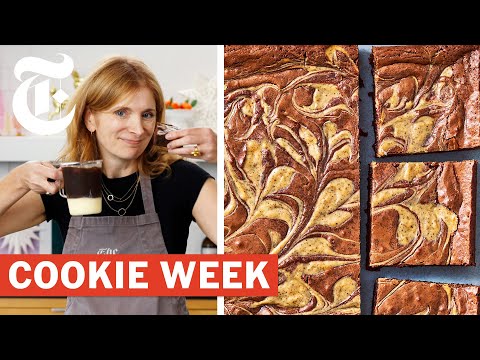
These Vietnamese coffee brownies pair a deep cocoa batter with strong brewed coffee and a sweetened condensed milk swirl. The coffee brings out the chocolate’s roasted notes, while the pale ribbons bake into soft, caramel-like pockets.
This version uses melted butter for a dense, fudgy crumb and a simple condensed milk topping that needs no special equipment. Expect rich chocolate first, a clear but balanced coffee note, and a sweet creamy finish in each bite.
Why This Recipe Works
Warm melted butter gives the batter a smooth, dense foundation. Whisking cocoa into the butter while it is still warm helps disperse the cocoa and deepen its flavor before the other ingredients go in. The butter should be warm, not piping hot; too much heat can cook the eggs when you add them.
Both granulated and brown sugar contribute to the texture. Granulated sugar helps create a delicate, lightly crisp top, while brown sugar adds moisture and a soft, chewy middle. The eggs bind the batter and give it structure, so beating them in thoroughly matters, but vigorous mixing after adding flour can make the brownies tough.
The coffee is brewed strong and cooled before it joins the batter. That keeps it from warming the eggs and gives the chocolate a rounded, roasted flavor without making the brownies taste like a cup of coffee. Folding in the flour and cocoa gently keeps the crumb tender.
Finally, the condensed milk is thickened with a little flour before swirling. That small addition helps the ribbons hold their shape rather than running into the brownie batter. A light hand with the knife leaves distinct streaks instead of blending the topping into the whole pan.
Ingredients
- 1 cup (2 sticks) unsalted butter
- 1 cup granulated sugar
- 1 cup packed brown sugar
- 1 teaspoon vanilla extract
- 4 large eggs, preferably at room temperature
- 1 cup all-purpose flour, for the brownie batter
- 1 cup unsweetened cocoa powder
- 1 teaspoon baking powder
- 1/2 teaspoon salt
- 1/2 cup strong brewed Vietnamese coffee, cooled
- 1/2 cup sweetened condensed milk
- 1 tablespoon all-purpose flour, for the condensed milk swirl
Ingredient Notes
Butter: Unsalted butter lets you control the salt level. Melt it gently and let it cool until warm before mixing. If you have salted butter, you can use it, but reduce or omit the added salt according to how salty the butter tastes.
Sugars: Use packed brown sugar so the amount is consistent. Light or dark brown sugar both work; dark brown sugar gives a slightly deeper molasses note. Avoid replacing all the sugar with a liquid sweetener, since that changes the batter’s moisture and structure.
Eggs and vanilla: Room-temperature eggs blend more easily into the butter mixture. If you forgot to take them out, place them in a bowl of warm tap water for a few minutes, then dry them before cracking. Vanilla supports the chocolate and coffee; it can be left out, though the flavor will be a little less rounded.
Flour, cocoa, and baking powder: Measure flour by spooning it into the cup and leveling the top rather than scooping and compacting it. Unsweetened natural or Dutch-process cocoa both work here. Sift cocoa if it is lumpy. The small amount of baking powder gives the brownies a little lift, so do not expect an extremely dense, flourless texture. For a gluten-free version, use a cup-for-cup gluten-free baking blend that includes a binder, though the result may be slightly different.
Coffee: Use a strongly brewed, cooled coffee. Coffee made with a Vietnamese phin filter is a natural fit, but another dark, robust brew works too. If you brew espresso, dilute it with water to make the stated amount before measuring. Decaf coffee is fine if you want the flavor without the caffeine. Do not add the coffee hot, because it can loosen the butter mixture and warm the eggs.
Condensed milk: Use sweetened condensed milk, not evaporated milk; they are different products and are not interchangeable in this swirl. Stir it with the small amount of flour until smooth. If you cannot use dairy, a sweetened condensed coconut milk product may work, but expect a coconut note and check that it is thick enough to swirl.
Instructions
- Prepare the pan and oven. Heat the oven to 350°F (175°C). Line a 9-by-13-inch baking pan with parchment, leaving enough overhang to lift the brownies out later. Lightly grease any exposed sides. The parchment helps prevent sticking and makes it easier to cut neat squares after the brownies have cooled.
- Make the condensed milk mixture. In a small bowl, stir the sweetened condensed milk and 1 tablespoon flour until no dry pockets remain. Set it aside while you make the batter. A smooth mixture is easier to distribute in small ribbons and less likely to leave floury clumps on top.
- Melt the butter and blend in the cocoa. Melt the butter in a saucepan over low heat or in a microwave-safe bowl in short bursts. Take it off the heat while it is still warm, then whisk in the cocoa until the mixture looks glossy and even. If the cocoa stays dusty or lumpy, keep whisking rather than adding extra liquid; warm butter should help it blend.
- Add the sugars, eggs, and vanilla. Whisk both sugars into the cocoa mixture. Let it cool for a few minutes if it feels hot to the touch. Add the eggs one at a time, whisking after each addition, then mix in the vanilla. The mixture should look thick and shiny, with no streaks of egg white. Cooling the butter mixture first helps keep the eggs from beginning to cook.
- Combine the dry ingredients and coffee. In a separate bowl, whisk together the 1 cup flour, baking powder, and salt. Stir the cooled coffee into the cocoa mixture. Add the dry ingredients and fold with a spatula just until no obvious flour remains. The batter will be thick and glossy; stop as soon as it is combined so the finished brownies stay tender.
- Fill and swirl the pan. Scrape the brownie batter into the prepared pan and spread it into an even layer, reaching the corners. Spoon small dollops of the condensed milk mixture over the surface. Draw the tip of a butter knife through the dollops in loose curves, making only a few passes. You should still see distinct pale ribbons; too much swirling will erase the contrast.
- Bake until the center is set. Bake for 30 to 36 minutes, beginning to check at 30 minutes. The edges should look set and slightly pulled from the pan, while the center should no longer look liquid. A toothpick inserted into a brownie-only area should come out with moist crumbs, not raw batter. Avoid testing directly through a condensed milk ribbon, which can stay soft and sticky even when the brownie itself is ready. If the top is browning quickly but the center needs more time, loosely tent the pan with foil.
- Cool before cutting. Set the pan on a rack and let the brownies cool for at least 1 hour. The center continues to settle as it cools, and the condensed milk ribbons firm up. Lift them out by the parchment and cut with a sharp knife, wiping the blade between cuts for cleaner edges. For especially tidy squares, chill the cooled slab briefly before slicing.
Serves 16 | Prep time: 20 minutes | Cook time: 30 to 36 minutes | Total time: about 1 hour 55 minutes, including cooling
Tips for Success
- Use a light hand when measuring flour. Too much flour is a common reason brownies turn dry or cakey. Spoon it into the measuring cup, then level it without tapping the cup on the counter.
- Let the coffee cool completely. Warm coffee can make the batter thinner and can heat the eggs. Brew it first, then set it aside while you prepare the pan and melt the butter.
- Do not overmix after the flour goes in. A few faint streaks that disappear with one more gentle fold are better than prolonged stirring. The batter should be cohesive, not beaten until fluffy.
- Keep the swirl on the surface. Add small spoonfuls across the pan, then make a few broad turns with a knife. Deep, repeated swirling can mix the topping into the batter and make the top look muddy.
- Use the center as your doneness guide. The edges finish first. Look for a set center and moist crumbs from a brownie-only spot rather than waiting for a completely clean toothpick, which can mean an overbaked batch.
- Let them cool fully for clean portions. Warm brownies are delicious but fragile. If you want defined squares, give the slab time to firm up before cutting and wipe the knife between slices.
Troubleshooting
The brownies are dry or crumbly. They may have baked too long, or the flour may have been packed into the measuring cup. Check the center early, especially if your pan is dark metal, which can brown the edges faster. Next time, remove the pan when moist crumbs cling to the tester.
The middle seems raw while the edges are done. Pan material and oven behavior affect baking time. Continue baking in short intervals, checking the center each time, and loosely cover the top if the swirl is getting dark. Make sure the pan is the stated size; a smaller pan makes a deeper batter that needs longer to bake.
The swirl disappears. The topping was likely mixed in too thoroughly, or the condensed milk mixture was spread over too much of the surface. Use small dollops and only a few broad knife strokes. Some blending is normal, but distinct ribbons should remain visible before baking.
The condensed milk is very dark on top. A little golden color is expected, but darkening too quickly can mean the pan is too close to the top heating element or the oven runs hot. Move the pan to the center rack and tent it loosely with foil if needed. Do not seal the foil tightly against the topping.
The batter looks separated or greasy. The butter mixture may have been too hot when the eggs went in, or the ingredients may have been mixed unevenly. Let the butter and cocoa mixture cool until warm, then add eggs one at a time and whisk until the mixture looks cohesive before adding the dry ingredients.
Variations
Make the coffee note stronger. Brew the coffee more robustly, but keep the measured amount the same so the batter’s moisture stays balanced. You can also add a small pinch of finely ground espresso to the dry ingredients; use a fine grind so the brownies do not have gritty flecks.
Add crunch. Fold a small handful of chopped toasted pecans or walnuts into the batter just before spreading it in the pan. Keep the amount modest so the brownies still cut cleanly and the coffee and chocolate remain the main flavors.
Add chocolate pieces. Stir in chopped dark chocolate or chocolate chips after the flour is nearly incorporated. The pieces create soft pockets, so let the brownies cool well before slicing.
Try a different pan shape. A smaller square pan makes thicker brownies and will need more baking time; use the set-center and moist-crumb cues rather than relying only on the clock. A glass pan may bake differently from metal, so begin checking early. Do not fill the pan more than about two-thirds full.
Make a lighter swirl pattern. For less sweetness in each bite, use fewer condensed milk dollops and leave wider areas of plain brownie between them. Keep the full brownie batter as written so its texture remains consistent.
What to Serve With It
These brownies are rich, so small squares pair well with unsweetened coffee, espresso, or tea. A glass of cold milk is a simple choice, while lightly sweetened whipped cream can soften the cocoa and coffee flavors without competing with the swirl.
For dessert, serve a brownie with a scoop of vanilla ice cream or a spoonful of softly whipped cream. Fresh strawberries or raspberries add a bright, tart contrast. If serving after a meal, cut the brownies into smaller pieces; the condensed milk makes each square satisfying on its own.
Make-Ahead, Storage and Reheating
The brownies can be baked a day ahead. Cool them completely, keep them in the pan or transfer them to an airtight container, and refrigerate promptly. Because this recipe contains an egg-based baked dessert and a dairy swirl, do not leave the finished brownies at room temperature for more than two hours. Refrigerated leftovers are best used within three to four days.
For longer storage, wrap individual cooled squares or the whole slab tightly, place them in a freezer-safe container, and freeze for about three months for good quality. Thaw in the refrigerator or at room temperature for a short serving period. Keep the brownies covered while thawing so condensation does not collect directly on the surface.
These brownies are usually best at room temperature, so let a refrigerated square sit out briefly before serving. To warm one, microwave it for a few seconds at a time until just soft. Avoid prolonged heating: the condensed milk can become very hot, and the brownie can turn dry around the edges.
Frequently Asked Questions
Do I need a Vietnamese coffee maker?
No. A phin filter is useful if you have one, but any strong brewed coffee works. A dark roast or diluted espresso gives the batter a robust coffee flavor. Measure the coffee after brewing and let it cool before mixing it in.
Will these brownies taste strongly of coffee?
The coffee is noticeable but supports the chocolate rather than replacing it. The exact balance depends on how strong your brew is. For a milder result, use a less intense brew; for a bolder result, brew the same measured amount more strongly.
Can I use evaporated milk for the swirl?
No. Evaporated milk is thinner and unsweetened, while sweetened condensed milk is thick and sweet. The condensed milk is what makes the pale, creamy ribbons. If you only have evaporated milk, wait until you can get the right ingredient rather than substituting it directly.
How do I know the brownies are done if the toothpick hits the swirl?
Test a spot that contains only brownie batter. The tester should come away with moist crumbs rather than a smear of raw batter. The condensed milk streak itself can remain soft and sticky, so it is not a reliable place to check doneness.
Can I make the batter ahead?
It is better to bake the batter soon after mixing. Once the wet and dry ingredients are combined, the baking powder starts to work and the flour begins to hydrate. For easier planning, brew and cool the coffee, measure the ingredients, and prepare the condensed milk mixture ahead, then mix and bake when you are ready.
Can I halve the recipe?
Yes. Halve every ingredient and use a smaller pan, such as an eight-inch square pan. The batter will be deeper than in the stated pan, so check for doneness early and allow extra time if the center is still loose. The visual cues remain more useful than an exact time.
Why do the brownies need to cool before slicing?
The butter and sugar mixture is soft when hot, and the condensed milk swirl needs time to firm. Cutting too soon can make the center collapse and smear the ribbons. Cooling gives the brownies a more stable, fudgy texture and cleaner edges.